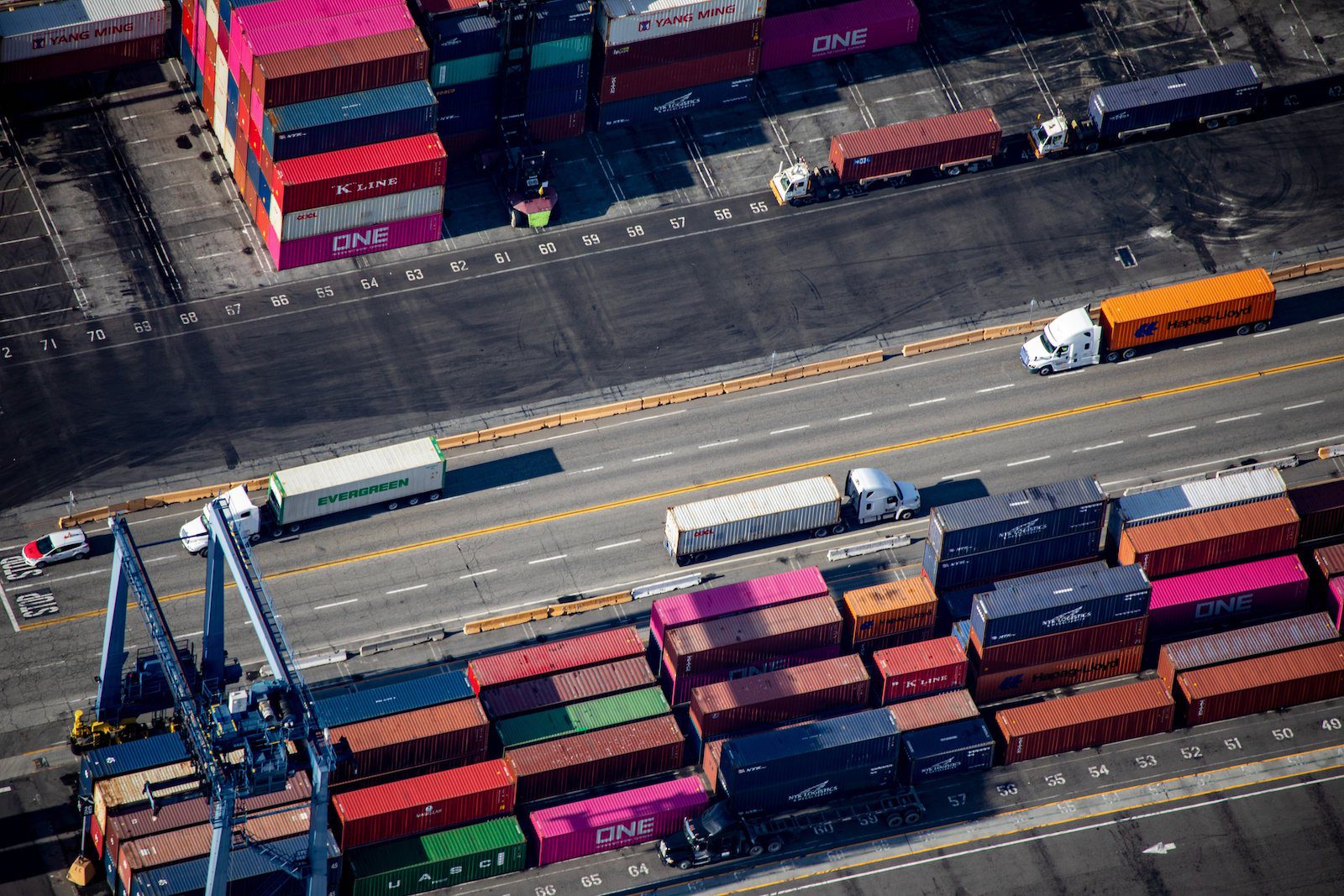
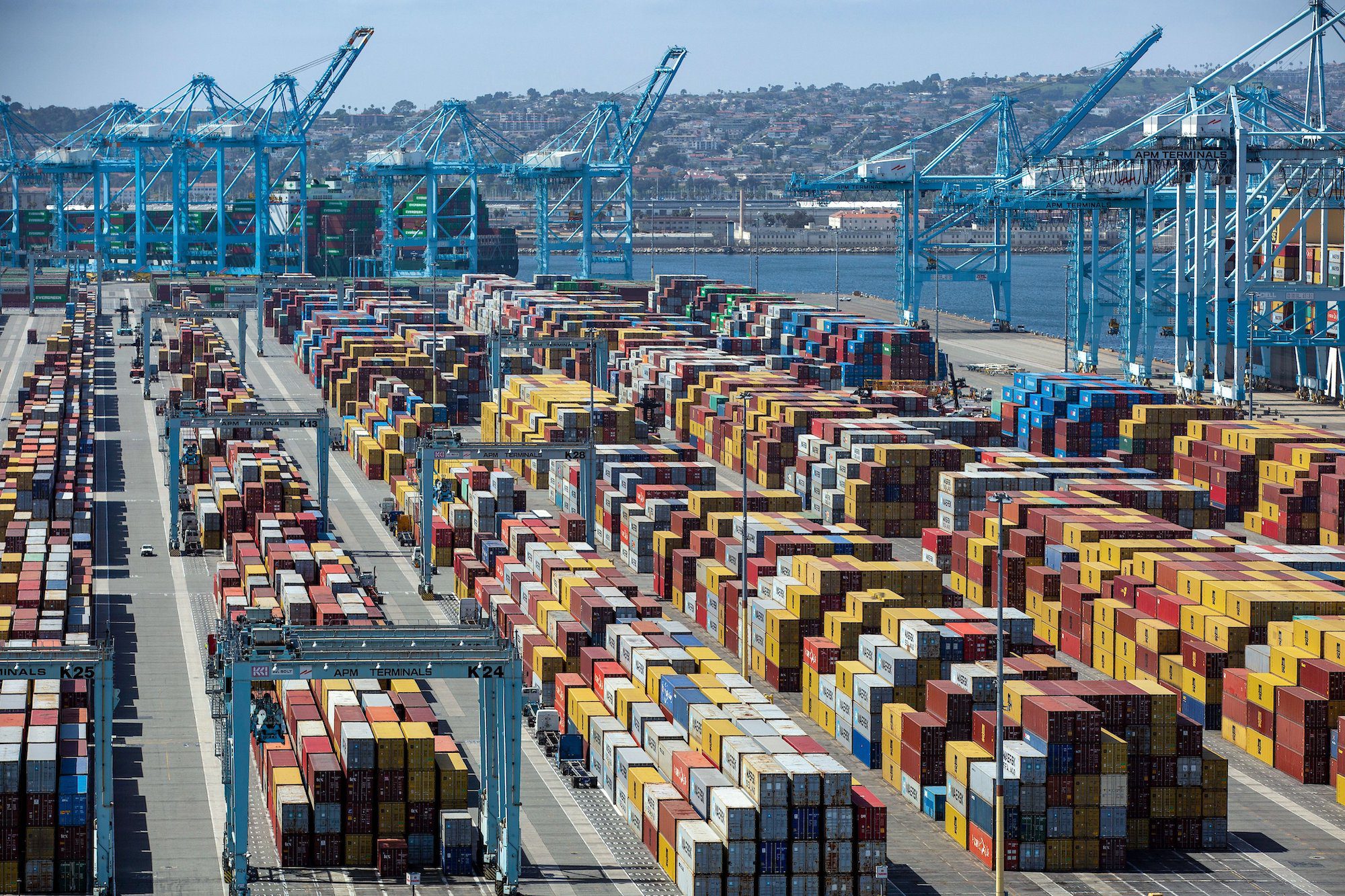
U.S. container imports climbed more than 5% last month, in-line with more typical peak shipping season levels before the pandemic’s impact on trade, according to the latest global shipping report from Descartes Systems Group (Nasdaq: DSGX).
Despite the volume increase, port transit times in the U.S. remained close to their lowest levels since Descartes began tracking them two years ago.
U.S. container import volumes in July 2023 increased by 5.1% compared to the previous month, reaching almost 2.2 million TEUs. However, this figure was 13.6% lower than one year ago in July 2022. Nevertheless, import volumes last month were almost identical to those of July 2019, with a difference of just 0.5%.
“The increase in July U.S. import container volume is consistent with the peak season patterns we would see pre-pandemic,” said Chris Jones, EVP Industry Descartes. “Despite the increase in import container volume to almost 2.2 million TEUs, port transit times remained close to last month’s low levels which is good news for importers.”
Credit: Descartes Systems
According to Descartes’ report, import volume growth in the first seven months of 2023 is very close to that of the same period in 2019, with a difference of only 1.7%.
Descartes notes slow but positive progress in the labor situation on the U.S. West Coast and a positive outcome for the Canadian West Coast labor situation. It said metrics for 2023 are consistent with the 2019 results, indicating the stabilization of key challenges faced by the global supply chain performance.
The report highlighted increasing Chinese imports, which were 4.7% over June 2023, but still down 18.3% from August 2022’s peak.
Looking at coastal performance, the volume share at top West Coast ports decreased to 38.3% in July due to a significant volume decrease at the Port of Los Angeles, while top East and Gulf Coast ports increased to 46.4%.
Earlier this week, the National Retail Federation said U.S. container import volumes this month are expected to be the highest in almost a year as retailers prepare for the winter holidays. It also provided its first full-year forecast, predicting this year’s container imports will total 22.3 million TEUs, down 12.8% compared to last year but up 3.2% from 2019.
Months of tariff-driven frontloading appear to have paid off for U.S. importers. As expected, President Donald Trump on Friday reinstated broad-based tariffs on imports from 60 trading partners, replacing the...
The nation’s two busiest container gateways continued to benefit from an early peak shipping season in June as importers rushed cargo into the United States ahead of potential new tariffs,...
By Lori Ann LaRocco – The Port of Los Angeles, the nation’s busiest container seaport, processed more than 1 million twenty-foot equivalent units (TEUs) in June, making it the busiest...
July 15, 2026
Total Views: 712
Get The Industry’s Go-To News
Subscribe to gCaptain Daily and stay informed with the latest global maritime and offshore news
— just like 104,541 professionals
Secure Your Spot
on the gCaptain Crew
Stay informed with the latest maritime and offshore news, delivered daily straight to your inbox
— trusted by our 104,541 members
Your Gateway to the Maritime World!
Essential news coupled with the finest maritime content sourced from across the globe.

 Join The Club