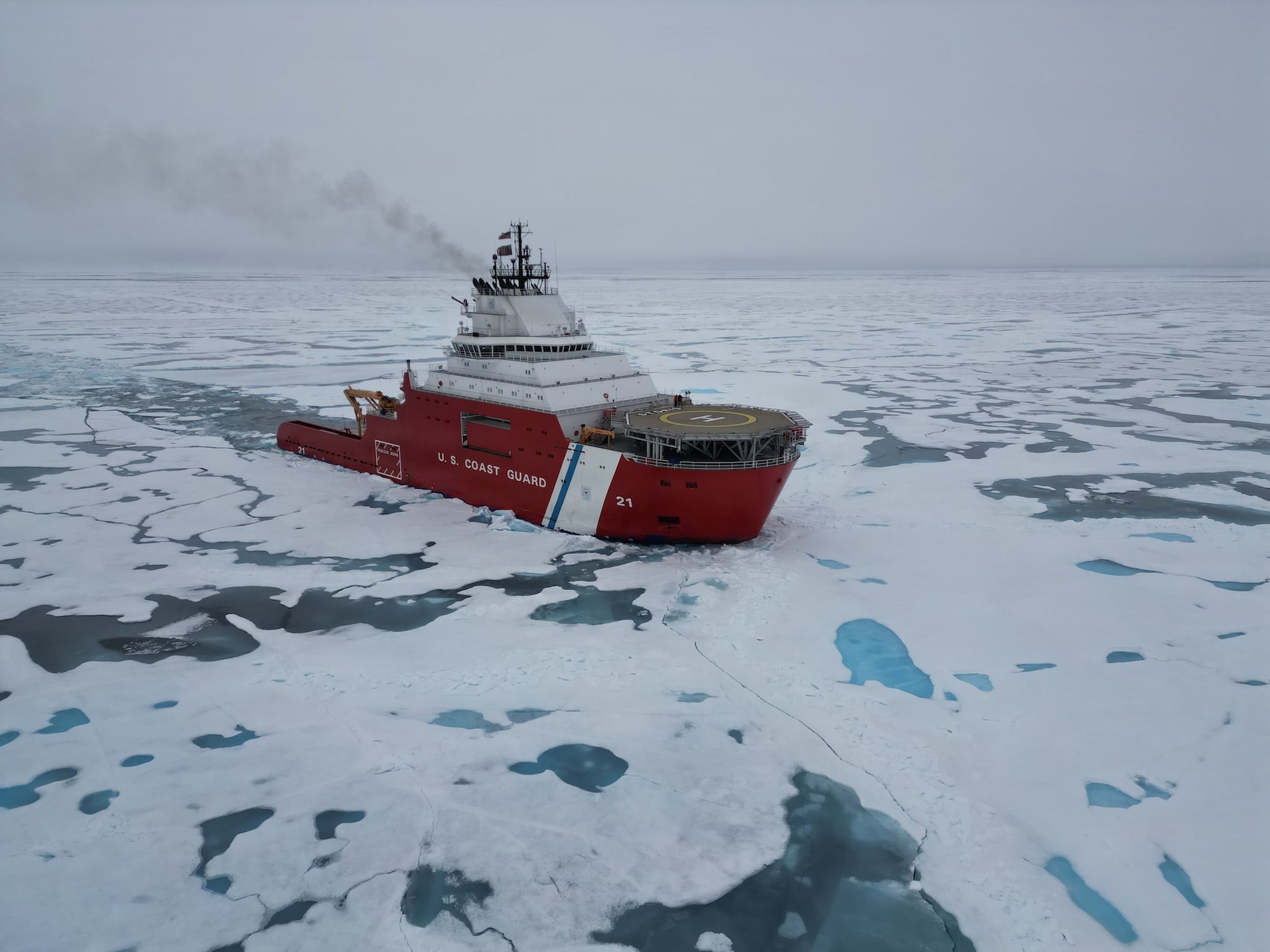
The U.S. Coast Guard’s newest polar icebreaker, Storis (WAGB 21), has returned to Seattle following a 133-day Arctic deployment that included monitoring Chinese research vessels, conducting fisheries enforcement operations and testing military capabilities in ice-covered waters.
The 360-foot cutter returned to its temporary homeport on Saturday, November 14, after traveling more than 17,000 nautical miles through the Arctic Ocean and waters around Alaska.
According to the Coast Guard, Storis served as the sole U.S. surface asset in the High Arctic during portions of its deployment, supporting maritime security, border enforcement and sovereignty missions.
Under Operation Frontier Sentinel, the cutter spent more than 300 hours monitoring foreign-flagged research vessels, including four Chinese-flagged ships operating over the U.S. extended continental shelf.
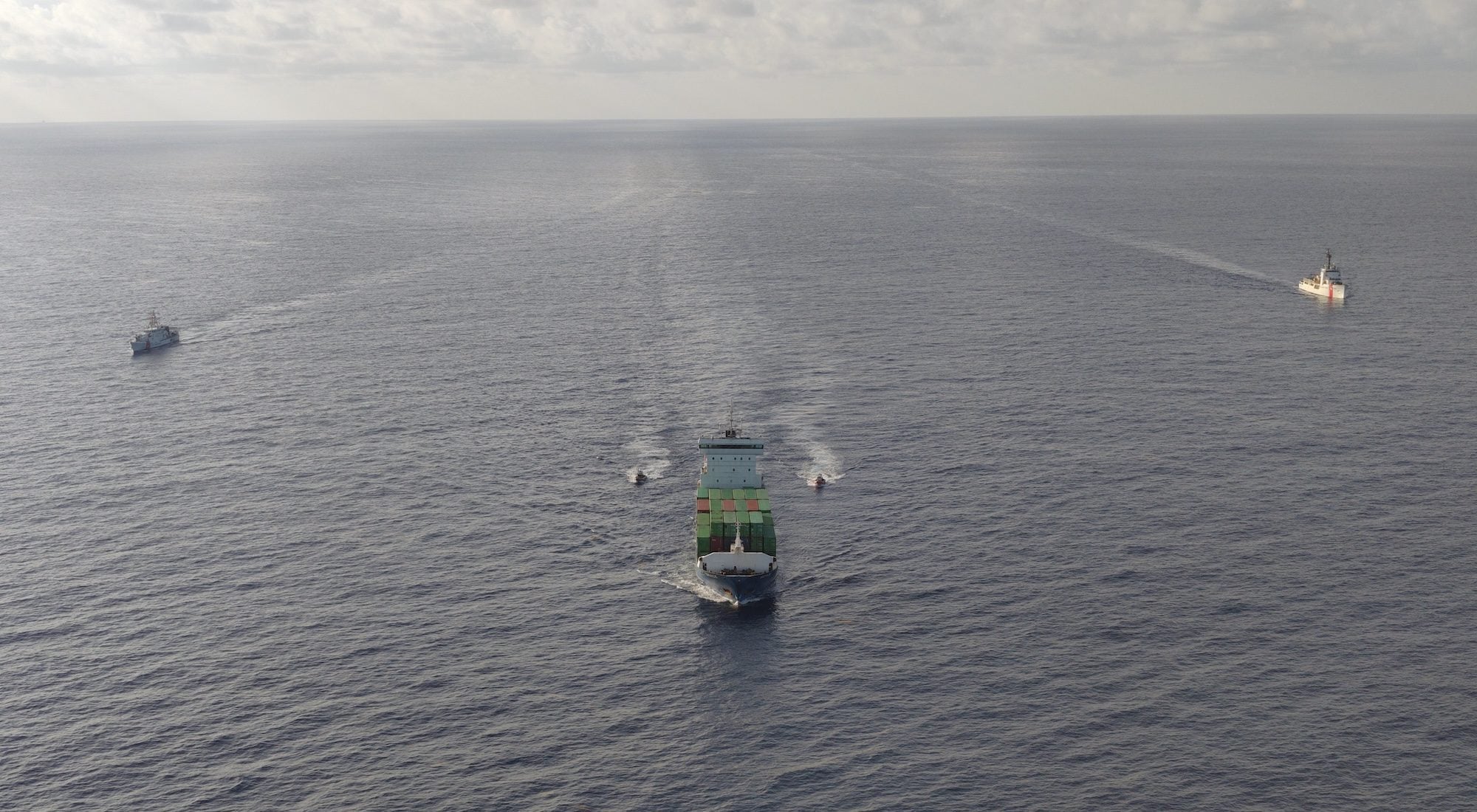
The patrol also marked the first designated law enforcement mission conducted by a U.S. polar icebreaker in more than 20 years. The crew inspected fishing vessels in the Bering Sea, including a joint boarding and fisheries processing plant inspection with the National Oceanic and Atmospheric Administration’s Office of Law Enforcement.
In another milestone, Storis conducted what the Coast Guard described as the first live-fire gunnery exercise by one of its surface vessels operating in ice-covered Arctic waters in decades. The exercise was intended to assess weapons employment in extreme conditions and generate data to guide future Arctic operations.
The cutter also conducted a simulated replenishment-at-sea exercise with Coast Guard Cutter Stratton near Unalaska, Alaska. Crews used Storis’ dynamic positioning system and onboard sensors to demonstrate close-quarters maneuvering capabilities needed for replenishment operations in remote waters.
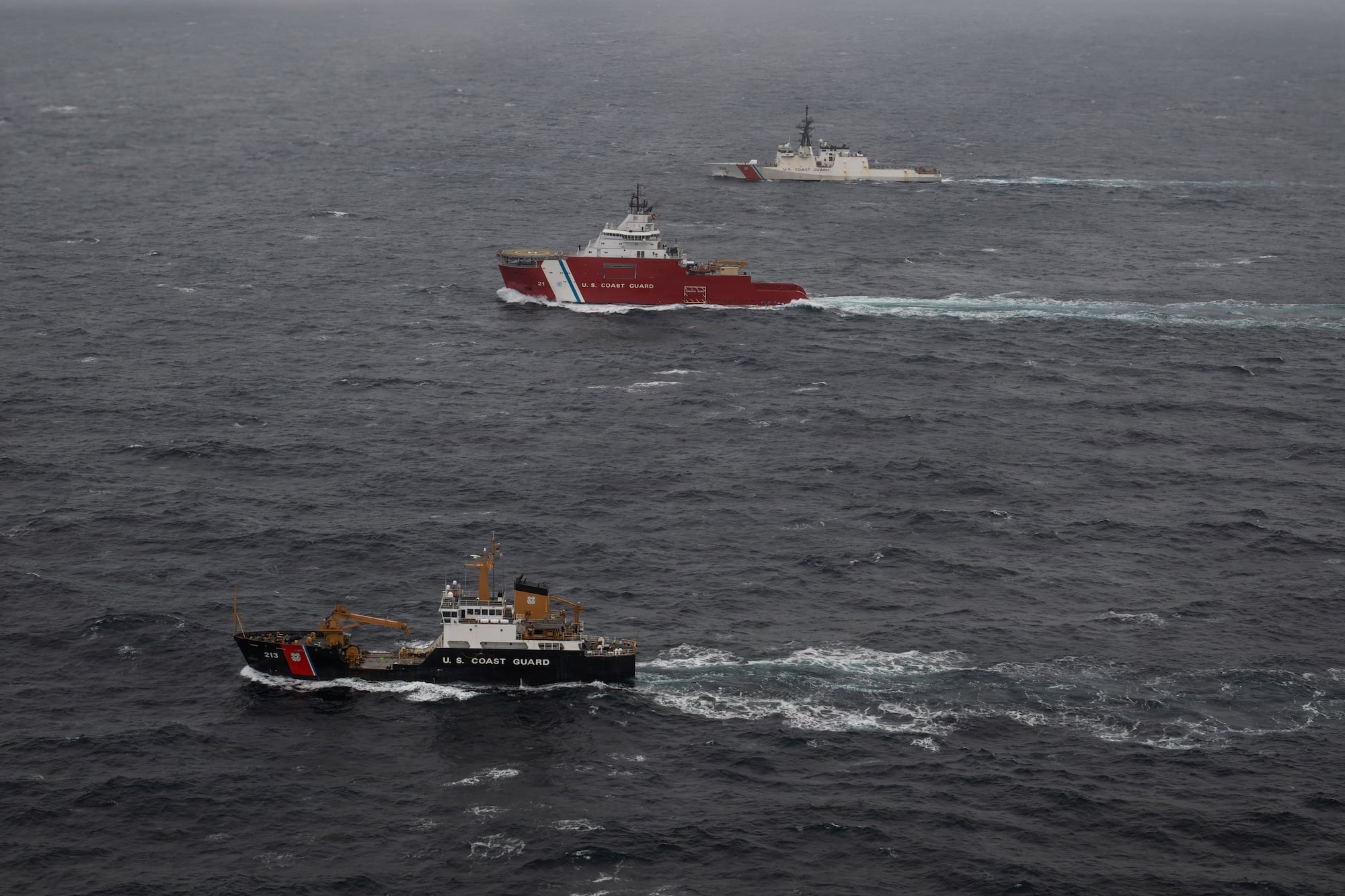
During Operation Tundra Merlin, Storis operated alongside Coast Guard cutters Munro and Fir and the Royal Canadian Navy’s HMCS Max Bernays, strengthening coordination between U.S. and Canadian forces.
The cutter also assisted the grounded fishing vessel Aleutian Dream, providing initial assistance and escorting the vessel back to Dutch Harbor.
“We are serving in a moment of great change in our service, nation and world,” said Capt. Corey Kerns, commanding officer of Storis. He said the crew’s efforts had transformed the vessel into an operational, multi-mission military asset.
The deployment included testing unmanned aircraft in extreme cold alongside the Coast Guard Research and Development Center and the Defense Innovation Unit. Five sorties totaling nine flight hours evaluated drone performance in high-latitude conditions, supporting the Icebreaker Collaboration Effort between the United States, Canada and Finland.
Storis, formerly the commercial icebreaking vessel Aiviq, was acquired by the Coast Guard in December 2024 and commissioned in August 2025, becoming the service’s first new polar icebreaker in more than two decades.
The deployment comes as the Coast Guard’s already limited polar icebreaking fleet faces continued strain.
The service’s medium icebreaker Healy has been sidelined since suffering a major engineering casualty in July, forcing the cancellation of its planned 2026 Arctic mission. The situation underscores Washington’s continuing struggle to maintain polar capabilities as competition with Russia and China intensifies.

 Join The Club