What (Acting) Secretary Hung Cao’s First Five Months Tell Us About the Job Ahead
By Bruce Kimbrell (Policy Op-Ed)
President Trump has nominated the Honorable Hung Cao to become the 80th Secretary of the Navy, a nomination formally transmitted to the Senate on September 14.
Unlike most nominees, Cao comes before the Senate with something more revealing than a résumé or a set of promises about how he intends to lead.
He has already been doing the job.
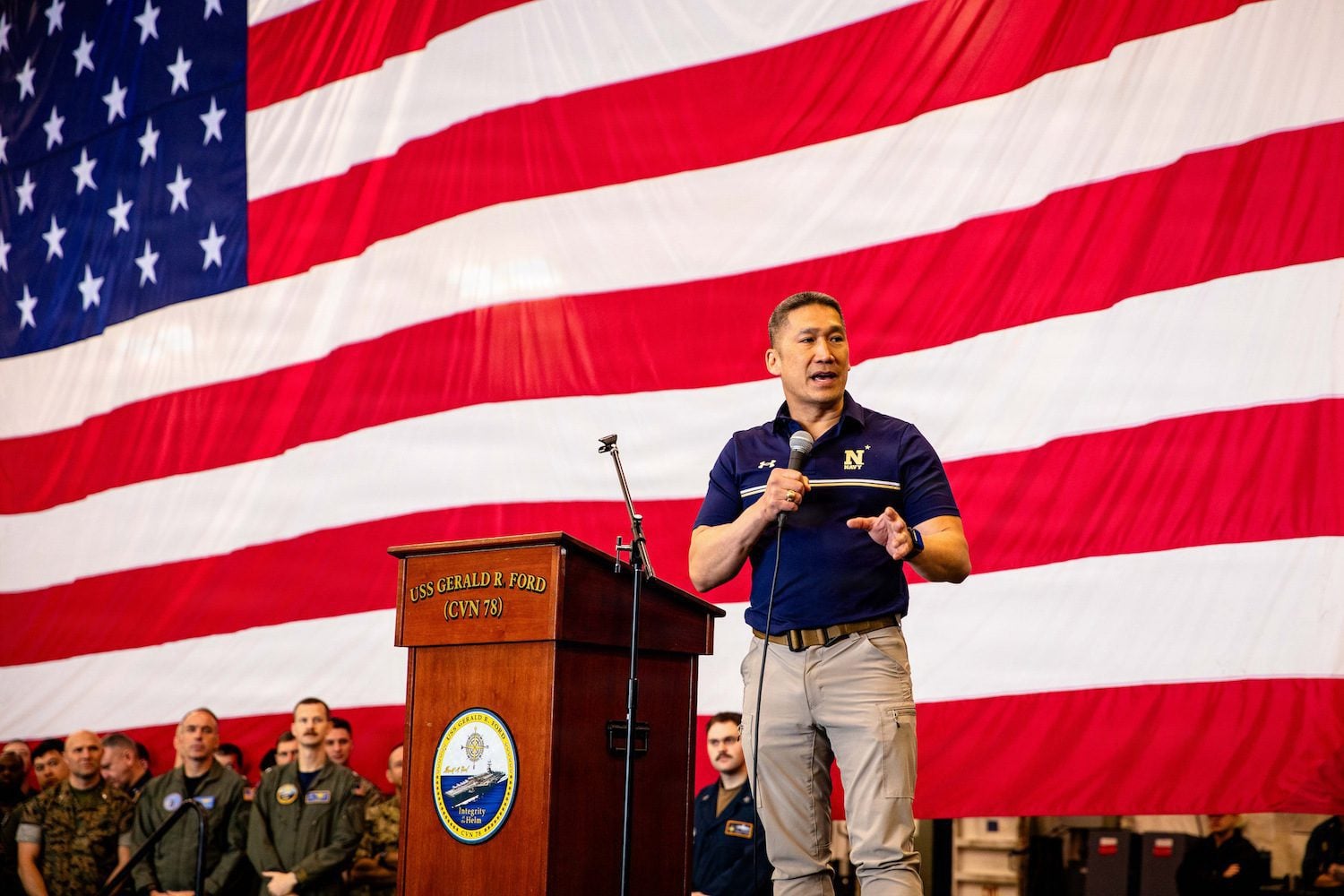
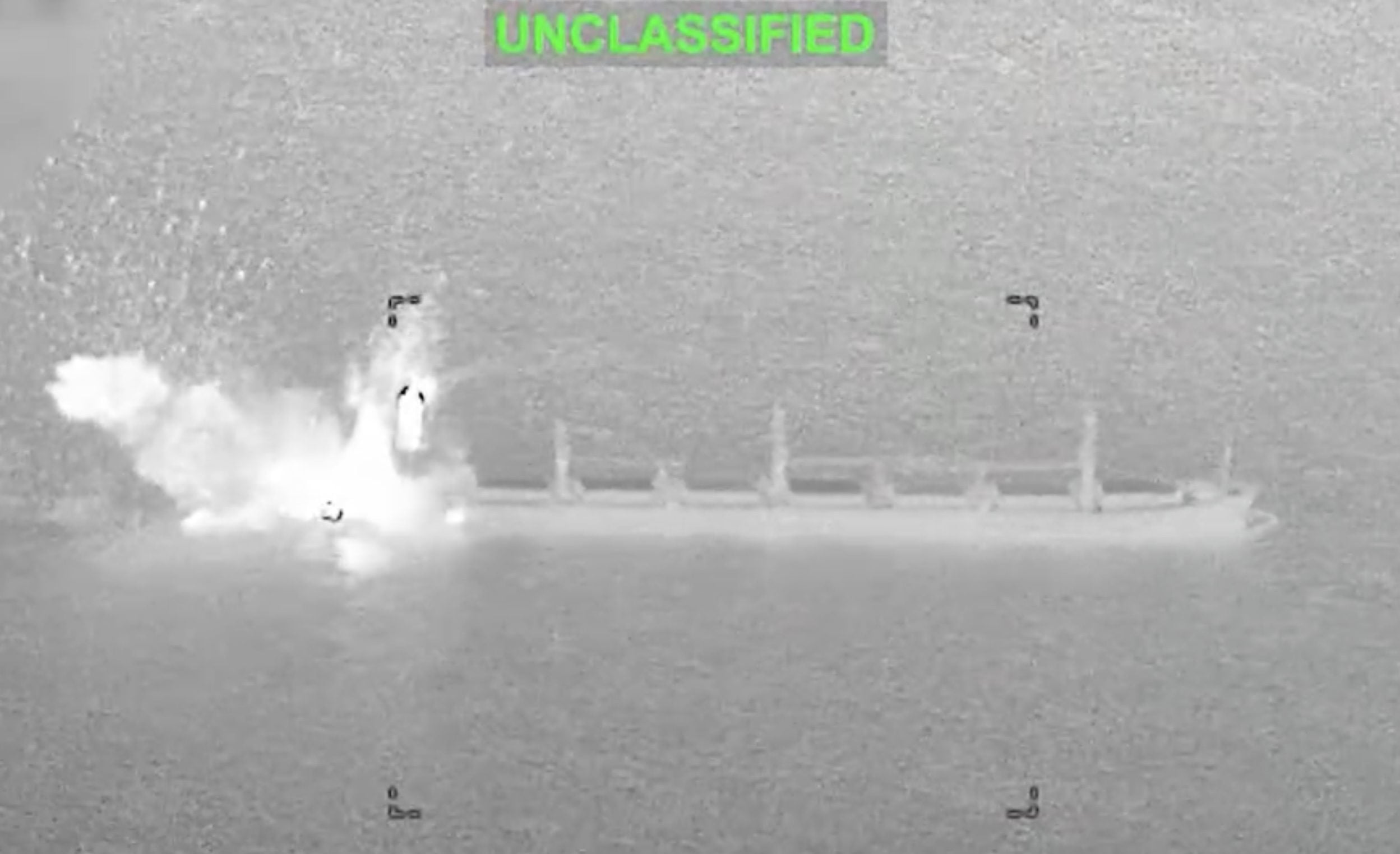
Cao became Acting Secretary on April 22, while U.S. forces were conducting combat operations against Iran in what the administration has named Operation Epic Fury. American ships were at sea. Sailors and Marines were operating at wartime tempo. Cao did not command those operations, but he did have responsibility for the institution that organizes, equips, sustains, and mobilizes the forces carrying them out.
That responsibility is easier to state than to see, until you follow one weapon back to where it comes from.
When a Tomahawk leaves its launcher, the immediate story is operational. However, somewhere much farther away, another clock starts running. The missile must be replaced and the production line has to be capable of building it. Suppliers need to produce its components, while workers have to assemble them. And if the country begins consuming missiles faster than industry can replace them, somebody has to figure out how to change the equation.
In this respect, war has a way of turning strategy into arithmetic.
How many missiles can be replaced? How fast can a damaged ship get back into the fight? How many ships can the yards build, and who’s left to crew them? Strategy alone cannot answer those questions. They are ultimately questions of implementation.
The Machinery Behind the Fleet
For Cao, implementation began with the force already in the fight. Readiness was no longer merely preparation for a possible contingency; it meant keeping combat power at sea, replacing weapons being expended and sustaining the Sailors and Marines carrying out the campaign, even as the Department worked to rebuild the capacity required for what comes next.
Cao brought a warfighter’s instinct to the Secretariat: begin with the forces in the fight, determine what they need to remain there, and drive the institution behind them toward delivery. Less than a month after becoming Acting Secretary, he told the Senate Armed Services Committee that his priorities were taking care of Sailors and Marines, advancing shipbuilding, and defending the homeland.
The budget Cao defended connected those priorities. Admiral Daryl Caudle, Chief of Naval Operations, testified that the budget would fund Navy readiness accounts to 95 percent of the identified requirement, a level he called “incredible for a service chief.” The purpose, Caudle said, was to avoid a hollow Navy and provide combatant commanders with forces ready to fight.
The fiscal year 2027 Shipbuilding Plan extended that logic into the future. It called the moment a “strategic inflection point” and emphasized what the Department termed “disciplined execution”: expanding shipyard and workforce capacity, revitalizing the industrial base, reforming acquisition and holding programs accountable for delivering ships.
Cao also assembled a leadership team suited to that task. He chose William Toti, a former nuclear-submarine commander and defense-industry CEO with experience on both sides of the government-industry relationship, to perform the duties of Under Secretary. Toti described the position as the Department’s “XO,” responsible for keeping the organization focused on “execution, alignment, and mission success.”
Toti also articulated the Department’s proposition to industry. The Navy was prepared to offer long-term contracts that would provide companies the stability to recover their investments, he said, but industry must demonstrate commitment by investing their own capital, innovating, and expanding production capacity. Government could establish credible, durable demand; rebuilding the industrial base would require industries to place capital at risk and build the capacity to meet that demand.
For shipbuilding, Cao named Richard Breckenridge as his senior adviser, a former Director of Undersea Warfare and Deputy Commander of U.S. Fleet Forces Command. The President has since nominated retired Vice Admiral Breckenridge to be the Assistant Secretary of the Navy for Research, Development, and Acquisition. His experience spans the requirements process and the operating Fleet.
Cao paired his leadership selections with what he called “leadership by presence”: placing acquisition leaders closer to programs and production sites, where they can see problems firsthand and press government and industry toward delivery. That method is beginning to appear in individual decisions.
In August, the Tomahawk replenishment problem became a procurement decision. Cao announced a $22.9 billion Raytheon award structured to accelerate missile deliveries, reduce procurement lead times and give industry the stability to expand its workforce, manufacturing throughput and supply chains. The Department tied the agreement both to current operational demand and to the long-term capacity of the munitions industrial base.
In September, the Navy selected Conrad Shipyard, Master Boat Builders, and Saronic Technologies to build LCU 1700 landing craft under separate prototype agreements totaling approximately $280 million. The approach was designed to broaden shipbuilding capacity, establish parallel sources of production, and position the program for higher-rate output.
Taken together, these types of decisions reveal an operational theory of civilian leadership: begin with the warfighter, connect readiness with production, put accountable leaders close to the work and change the mechanism when the existing one cannot deliver quickly enough. The immediate task is sustaining the forces fighting today. The larger one is restoring the maritime capacity the nation will need tomorrow.
Aligning with the National Maritime Agenda
Cao’s approach is to make the Department implementation-focused, connecting the operational demands of the Fleet with the people, resources, institutions, industry, and capital needed to turn national ambition into maritime power.
The national effort to restore American maritime power has been building for several years. In 2024, a bipartisan group in Congress: Representatives Michael Waltz (R-FL) and John Garamendi (D-CA) and Senators Mark Kelly (D-AZ) and Marco Rubio (R-FL), published Congressional Guidance for a National Maritime Strategy: Reversing the Decline of America’s Maritime Power. Its diagnosis reached beyond the Navy. Restoring American maritime power would require rebuilding commercial shipping and shipbuilding, expanding the maritime workforce and strengthening the broader industrial foundations that support American power at sea.
In 2025, President Trump made maritime restoration an explicit policy of the United States. His executive order directed the development of a government-wide Maritime Action Plan. Released the following year, the plan treats the maritime industrial base as an ecosystem encompassing commercial and defense shipbuilding, repair, transportation, infrastructure, workforce and finance. It also calls for mechanisms capable of attracting private capital into American shipyards and vessel construction.
In August, Trump extended that agenda directly into naval shipbuilding and repair measures. His memorandum directed actions involving the Departments of War, Commerce and Transportation, along with the Navy, OMB and MARAD. It called for greater use of private-sector capabilities and innovative financing, a fifth public Navy Yard, reform of Naval Sea Systems Command and pathways for allied shipbuilders to invest expertise, technology and capital in American production.
The administration has therefore moved beyond stating a maritime ambition and begun placing policy, authorities, and resources behind it. Cao is already leading the Department through that transition. The President’s August memorandum assigns the Navy a central role in plans for a fifth public shipyard, reform of NAVSEA, new acquisition approaches and expansion of the maritime industrial base.
The task is not simply to align the Navy with strategy and policy; it is to translate that direction into national maritime capability. That is also where the problem becomes harder, because implementation must cross seams of authority, resources, and institutions that no single department fully controls.
Across the Seams
Follow almost any maritime operational requirement backward.
A ship can surge only if somebody maintained it. Maintenance requires workers, parts, suppliers and facilities. A magazine can be reloaded only if somebody manufactured the weapons. A larger Fleet exists only if yards can build it.
Keep following requirements and eventually they cross an institutional boundary.
They reach another department or agency, Congress, a commercial shipyard, a supplier, a port, a university, a laboratory or an investor. Sometimes they reach an ally or partner whose technology, shipbuilding capacity, supply chains or maritime forces intersect with our own. No Secretary of the Navy commands that system, and that distinction changes the nature of the job. The farther a requirement travels from the Fleet, the less the Secretary can accomplish through command and the more he must accomplish through alignment.
That requires relationships running not only vertically through the administration and Navy leadership, but horizontally across the institutions on which maritime power and maritime industrial revitalization depend. Acting Secretary Cao’s initial tenure suggests a leadership approach increasingly oriented toward that kind of alignment.
Strategic sealift provides a useful test of where that approach leads. The Navy and Marine Corps depend upon sealift to move and sustain forces in war, but delivering that capability requires the Navy, Maritime Administration, U.S. Transportation Command, Congress, industry, and potentially private capital to solve different parts of the problem.
Turning requirements into ships requires precisely this kind of institutional alignment.
Ten Ships
America’s strategic sealift fleet is aging, even as the government works to recapitalize it through used-vessel acquisition and eventual new construction.
Congress has already identified one tangible requirement. The FY2023 NDAA directed MARAD to develop a roll-on/roll-off ship design for ten new vessels for the National Defense Reserve Fleet, establishing a pathway toward domestic construction. The Maritime Action Plan further directed the Department of Transportation to use existing funding to establish a new-construction Vessel Construction Manager program for the Ready Reserve Force, while instructing the Navy and USTRANSCOM to prioritize finalizing the design requirements.
For the Navy and the nation, their value would be twofold: the vessels would help move and sustain the joint force in war, while their construction would provide durable workload for American yards and demand for the workers, suppliers and investment that strengthen the broader industrial base on which naval shipbuilding and repair also depend.
Cao made that connection himself before Congress. Prioritizing auxiliary ships, he said, would both meet Fleet needs and regenerate capacity for commercially viable shipbuilding. The ten vessels therefore could offer a practical test of the model his leadership team has articulated: government establishes credible, durable demand; industry commits capital and expands capacity; and the Department helps align the institutions required to turn an operational requirement into production.
Turning a sealift requirement into ten ships crosses nearly every institutional seam described above. USTRANSCOM defines the operational demand. MARAD administers the reserve fleet and brings commercial-maritime expertise. The Navy contributes operational requirements and shipbuilding knowledge. Congress and OMB shape the authorities and financial environment. Shipyards, commercial operators and investors must ultimately build, finance and operate the vessels.
Even coordinated, those actors do not yet possess a complete solution. Congress has funded design work but not construction, and the industrial base needed to build the ships has spent years eroding. MARAD has since asked industry whether newly built roll-on/roll-off vessels could be leased, an inquiry that confirms the financing structure remains unresolved. Government demand, however well-organized across agencies, is not by itself capacity.
That leaves a practical question: can durable government demand be structured so that private American capital helps finance ten American-built strategic sealift vessels? If not, what constraints stand between the requirement and an investable proposition? Can those obstacles be removed, whether they involve budget scoring, contracting authorities, the duration of government commitments, or something else?
Testing whether government can align authorities, demand, industry, and capital around a tangible result is precisely the kind of implementation challenge the Ten Ships effort presents.
Ten ships are only one unresolved requirement, and not one that Cao or the Navy can deliver alone. But this requirement does clarify what awaits whoever holds the office next. The work is not limited to meeting operational needs made urgent by combat or rebuilding industrial capacity that can no longer be assumed. It also requires implementation across institutional boundaries to advance the national maritime policy objectives established by Congress and the President.
The Waiver
That brings the argument back to U.S. Navy retired Captain Hung Cao and to an unusual complication in his nomination.
Cao retired from active duty in October 2021. Before 2021, the statutory cooling-off period for appointment as Secretary of the Navy was five years. Congress raised it to seven that year. Had the old rule still applied, Cao would have cleared it within weeks of his nomination. Under current law, Congress would have to enact a specific exception before he could be appointed, requiring action by both the House and Senate.
Congress has enacted comparable exceptions for other senior defense positions, most notably Secretaries of Defense. A prominent wartime precedent is George Marshall, who received a congressional exception in 1950 at President Truman’s request during the Korean War.
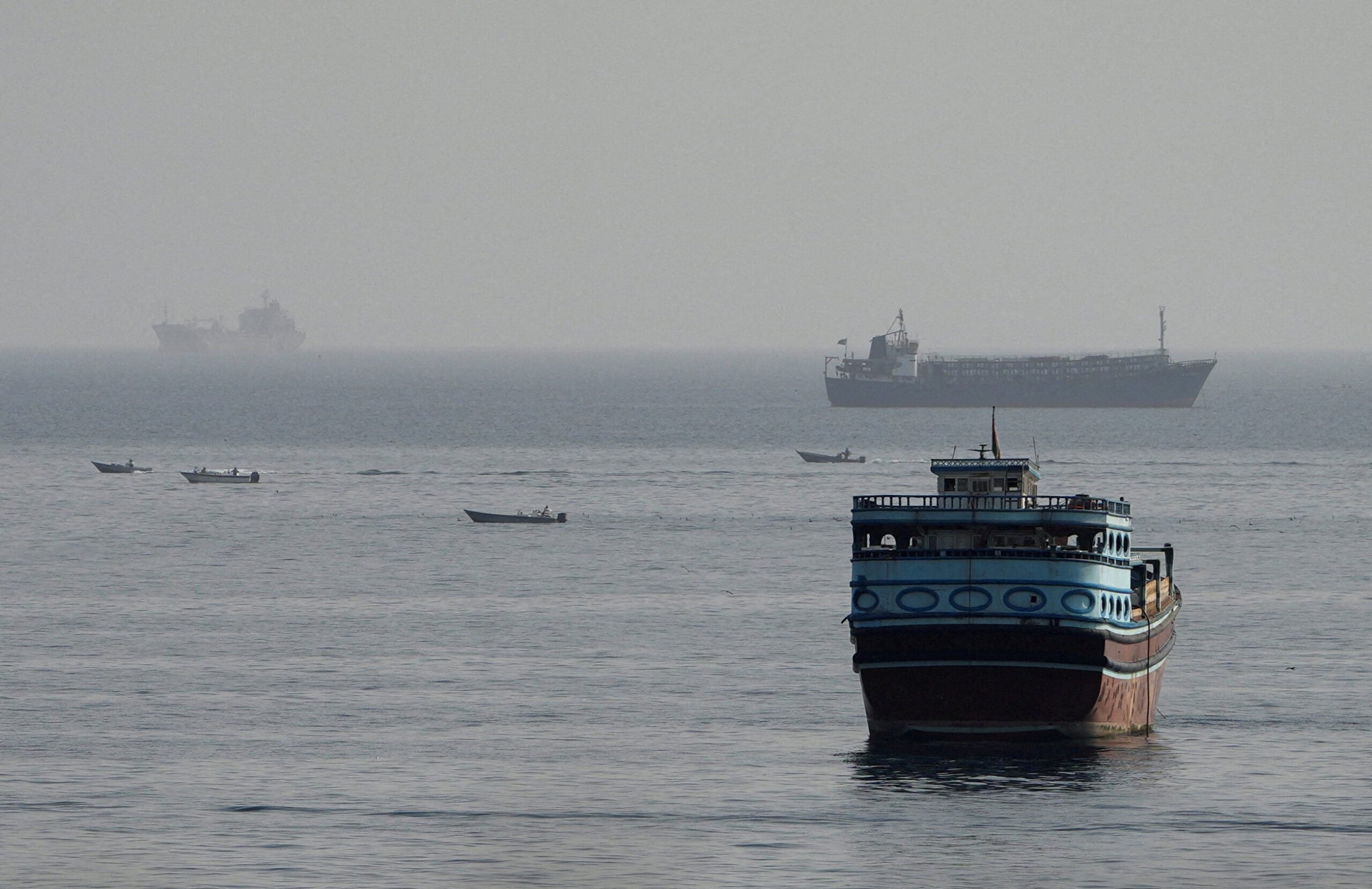
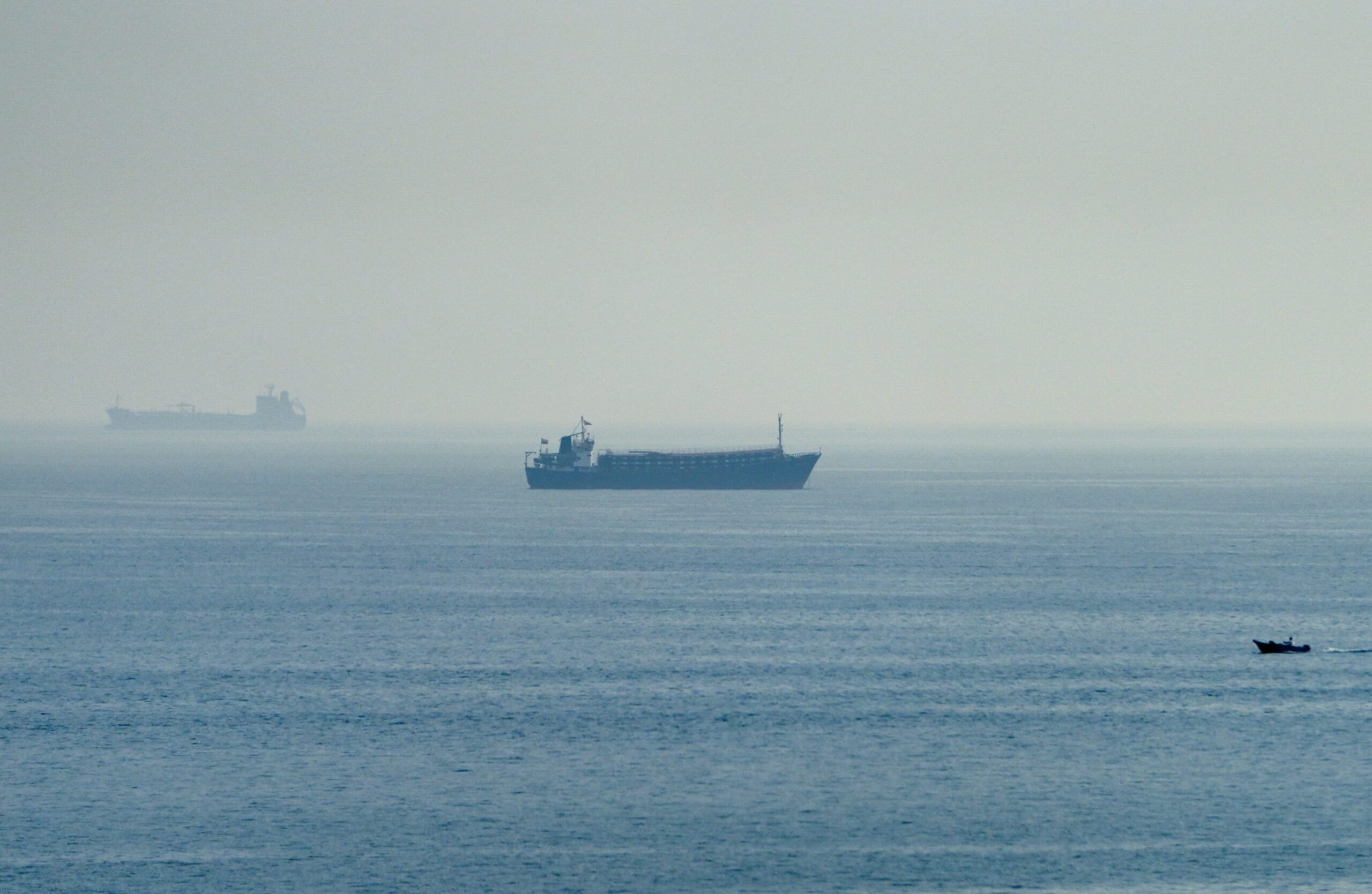
Congress is therefore considering Cao’s nomination under circumstances unusual on three fronts: procedurally, given the exception Congress must enact; operationally, because he is already leading the Department as Navy and Marine Corps forces carry out their roles in Operation Epic Fury, an ongoing campaign involving a naval blockade of Iranian ports, strikes, and other combat operations; and strategically, amid a national effort to reverse the decline of American maritime power and rebuild the industrial foundations on which it depends.
The Wartime Secretary
Cao has spent nearly five months as Acting Secretary of the Navy during wartime operations, at a moment when American maritime power is being tested. Amid these circumstances, the Senate has something better than promises: a record built under wartime pressure.
Five months cannot establish whether Cao and the U.S. Navy can reverse problems years in the making. Shipyards do not expand in months, production lines do not change overnight, and contracts do not become missiles simply because they have been signed.
But five months can reveal how a nominee understands the job. Cao’s record suggests he understands a basic wartime truth: strategy must ultimately become capability. War strips away the abstractions. Strategy has to become a missile in the magazine, a ship repaired and returned to sea, another hull coming down the ways, and trained Sailors, Marines and merchant mariners able to take them where the nation needs them.
Because in the end, maritime power is not what America plans.
It is what America can put to sea.
Commander Bruce Kimbrell is a career naval officer with deployments in Europe, Africa, the Middle East, and Asia. He has deployed with U.S. carrier and expeditionary strike groups. He previously served as a Director with the National Security Council at the White House and has supported strategic maritime initiatives as staff for the Office of the Chief of Naval Operations and the Office of the Secretary of the Navy. He also served as a national security and defense staffer for U.S. Congressman Michael Waltz of Florida’s 6th Congressional District, and as Deputy Director of Congressional Affairs for the U.S. European Command.
The views expressed are those of the author and do not reflect the official policy or position of the U.S. Navy, the Department of Defense, or the U.S. Government.

 Join The Club