What Buyers, Sellers and Investors Often Miss During Due Diligence
By Sabrina Brigance, CMIP, Managing Director, Marine Practice, Hylant
Maritime mergers and acquisitions can create significant opportunities for growth. Private equity firms, strategic buyers and marine operators may pursue acquisitions to expand capabilities, add assets, enter new markets and strengthen their position across the maritime industry.
But buying a marine business is not the same as buying a traditional operating company. Marine organizations combine vessels and waterfront assets with specialized labor, complex contracts, environmental exposures, regulatory requirements and increasingly connected technology. Those operating realities can materially affect the economics of an otherwise attractive transaction and are among the critical considerations explored in Hylant’s Maritime M&A Risk Guide.
Financial diligence tells a buyer what a company earns. Marine risk diligence should help determine whether the assets and operations behind those earnings can sustain them.
What Are You Really Acquiring?
I refer to this as the Quality of Risk.
Two marine companies may generate similar earnings yet carry vastly different levels of operational volatility, capital requirements and liability. One may operate well-maintained assets supported by disciplined safety and risk-management practices, while the other may face deferred maintenance, aging infrastructure, unresolved claims or significant workforce dependencies.
Identifying these differences before closing is critical to understanding the risk behind the earnings.
The Marine Assets Tell the Real Risk Story
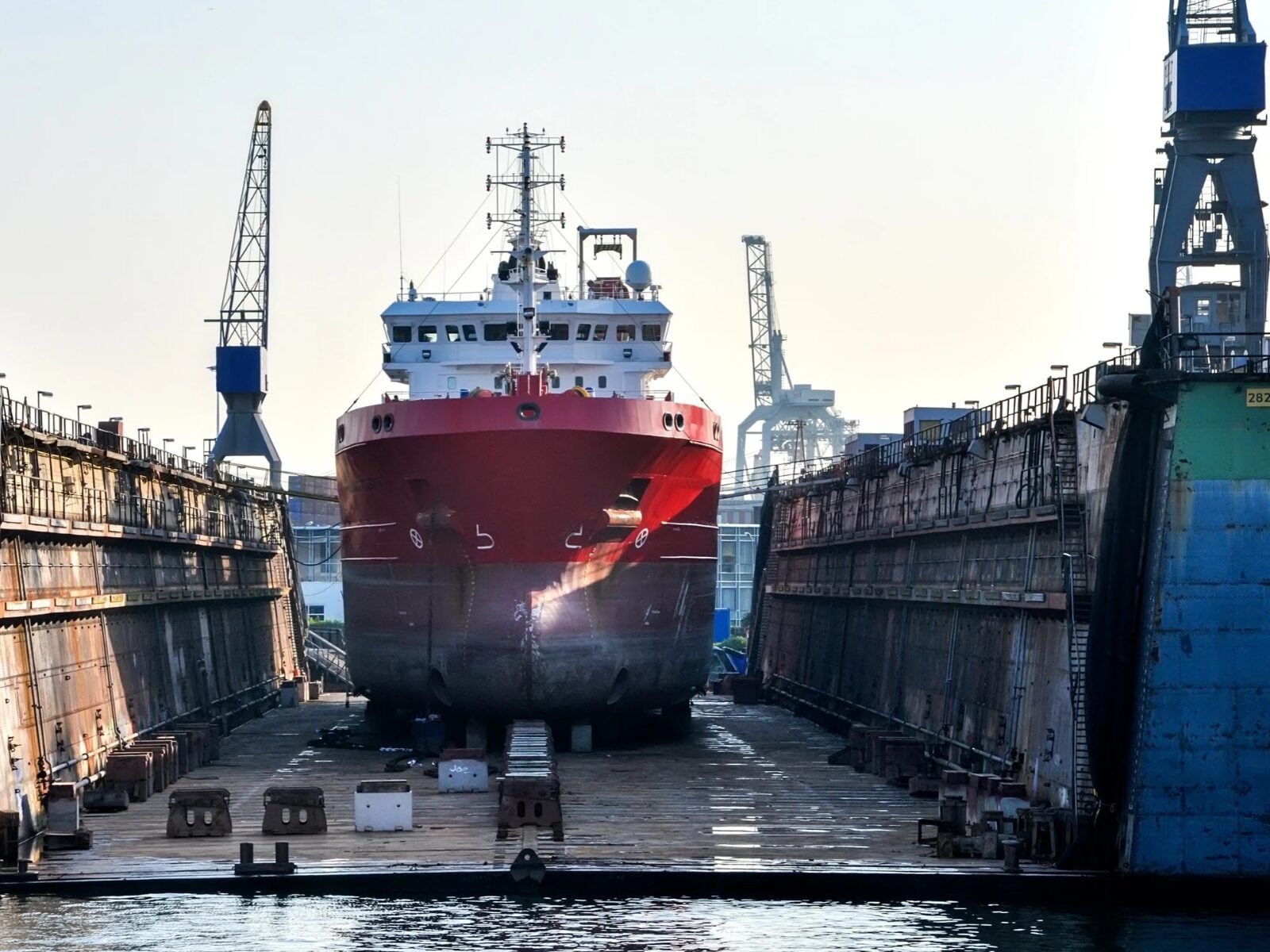
A vessel schedule may show ownership, age and value, but it does not necessarily reveal upcoming drydock requirements, machinery reliability, maintenance backlogs, casualty history or outstanding survey issues. The same principle applies to shoreside assets. Shipyard dry docks, cranes, fire protection systems and waterfront infrastructure can create significant operational and capital requirements. Terminals may depend on individual berths, cranes or other critical equipment.
Deferred maintenance can function like hidden transaction debt. The expense may not appear in the purchase price, but the buyer can inherit the obligation. That is why physical asset diligence needs to go beyond the asset schedule.
Insurance Programs Tell a Story
Insurance due diligence should involve more than confirming that policies exist and limits appear adequate.
Historical losses, open claims, reserves, deductibles, self-insured retentions and coverage gaps can provide insight into how the organization has managed risk over time.
In a marine acquisition, I would go further: Does the insurance architecture actually match the operation?
Are vessel values, navigation limits and P&I provisions appropriate? Are crew, longshore and state workers’ compensation exposures classified correctly? Do ship repair, terminal, stevedoring, pollution and cargo coverages accurately reflect the services the company provides?
The important question is not simply whether insurance exists. It is whether the insurance program responds to the marine operation as it is actually performed.
Environmental Liabilities Can Outlive Ownership
Waterfront facilities, shipyards, terminals, fuel systems and vessel operations can create environmental exposures that require specialized diligence.
Historical contamination, tanks, sediment and dredging issues, waste handling, stormwater, spill history, vessel pollution and operating permits may all warrant review.
The buyer needs to understand not only whether a condition exists, but whether it could affect safe operations, vessel movement, dredging, fueling, permitting or continued use of the facility.
The Human Capital Factor Is Uniquely Maritime
Marine businesses depend heavily on specialized people. Licensed mariners, skilled tradespeople and experienced waterfront personnel can be difficult to replace. Workforce diligence should consider critical-role dependencies, succession, safety performance, labor considerations and employee classification.
That classification issue is distinctly maritime. State workers’ compensation, USL&H and Jones Act exposures can intersect within the same organization. Understanding what employees actually do, where they work, and their connection to vessels is an important part of understanding that risk.
Marine Contracts Can Shift the Risk
Charters, ship repair contracts, terminal agreements, towing arrangements and customer contracts can determine who carries the financial consequences when something goes wrong. Indemnification, insurance requirements, limitations of liability and other risk-allocation provisions, which are examined more closely in Hylant’s Maritime M&A Risk Guide, should be evaluated alongside the company’s actual operations and insurance program. A profitable marine contract can still create significant exposure if the organization has accepted liabilities its operating controls or insurance cannot support.
When Technology Failure Becomes Operational Downtime
Cyber diligence should also consider the operational consequences of technology failure. What happens if a vessel navigation system, terminal platform, crane, berth or other critical asset becomes unavailable? Is substitute equipment or capacity available? How quickly can the operation recover?
For marine buyers, technology risk increasingly needs to be considered alongside business interruption and operational resilience.
When Marine Diligence Meets the Deal
Representations and warranties insurance can play an important role in certain transactions, but it does not replace strong marine diligence.
Once diligence identifies deferred maintenance, an environmental condition, a regulatory deficiency or another known exposure, the parties need to determine how to address the issue. Depending on the circumstances and advice of transaction counsel, that could involve remediation, contractual risk allocation, insurance or the economics of the transaction.
The objective is not to turn every operational concern into an insurance issue. It is to understand the marine risk before ownership changes hands.
Protecting the Value Created
Risk management should not end when the deal closes. The first 100 days provide an opportunity to address outstanding maintenance and safety concerns, review open claims, validate asset schedules, align contractor practices, strengthen cyber controls and integrate insurance and risk-management programs.
Maritime acquisitions create tremendous opportunities, but ultimately, the buyer is acquiring more than financial performance.
The buyer is acquiring the operation behind those earnings.
Understanding the vessels, waterfront assets, workforce, contracts, insurance, environmental exposures and technology supporting that operation can provide a much clearer picture of the risk being acquired.
For a deeper look, download Hylant’s Maritime M&A Risk Guide: Identifying the Risks That Can Change Deal Value.
To learn more about Hylant’s marine practice, visit https://hylant.com/industries/marine.
Sabrina G. Brigance
Managing Director, Marine Practice
email: [email protected]
mobile: 904-887-4924 | phone: 904-520-6938
Hylant, 5210 Belfort Rd, Suite 405 | Jacksonville, FL 32256

 Join The Club