Russia’s fleet of powerful nuclear icebreakers now encompasses eight vessels, surpassing previous high points reached in the 1990s and 2000s.
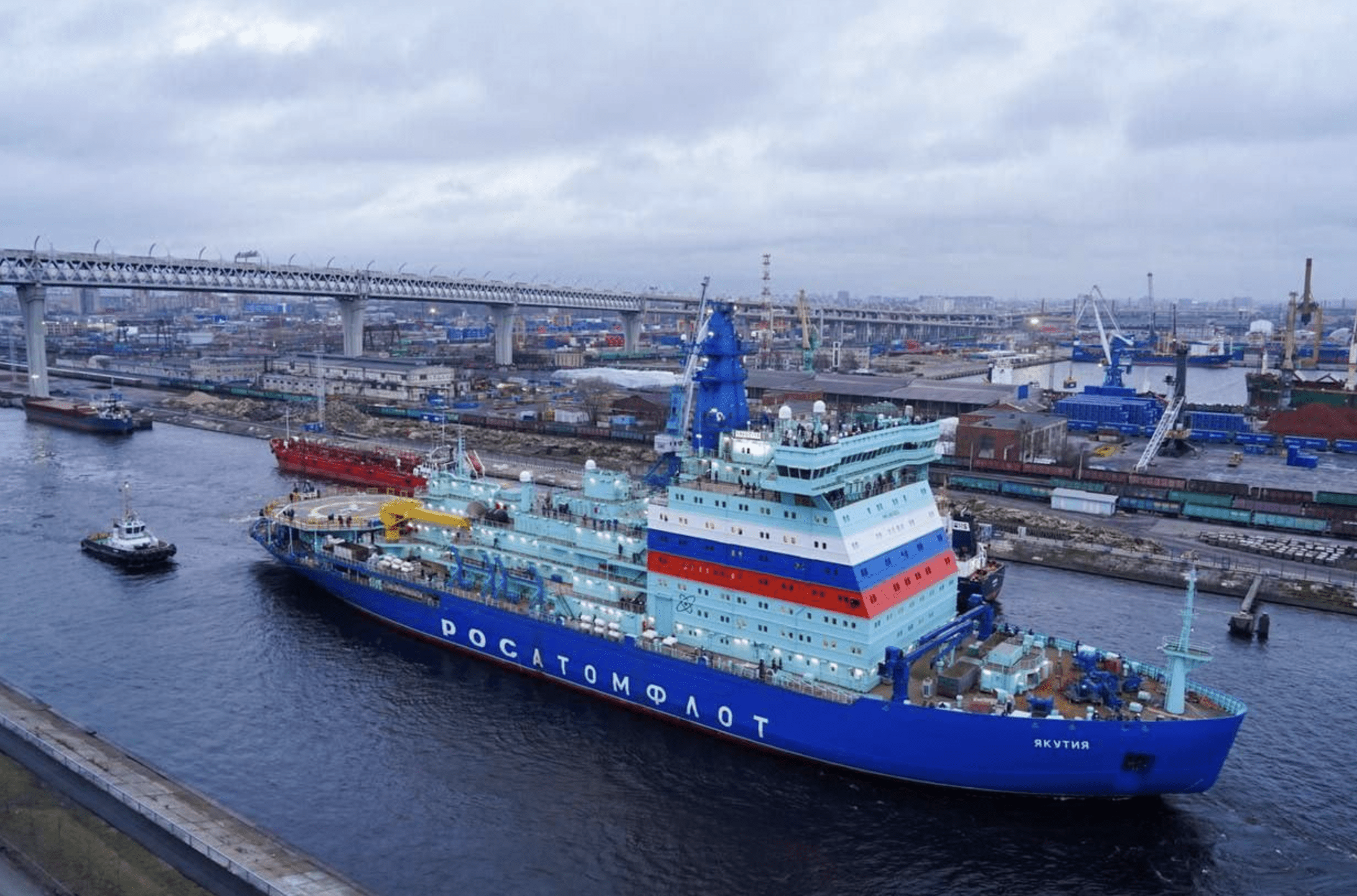
The latest addition is the new Arktika-class 60MW icebreaker Yakutiya, which began sea trials this week departing from the Baltic Shipyard in Saint Petersburg. The vessel joins three other icebreakers of the same type, with three more under construction or planned. They complement four older nuclear icebreakers from the 1980s and 2000s.
The country’s nuclear fleet will likely peak at around ten vessels in the early 2030s as the final Arktika-class vessels enter into service. However, older vessels like Taymyr, Vaygach, and Yamal will likely be decommissioned in the early 2030s having already received several nuclear reactor service life extensions. Unless Russia initiates and finances a follow-up program in the coming years, its nuclear icebreaker fleet will not expand further during the 2030s.
Yakutiya’s track after departing from Saint Petersburg for sea trials. (Source: Shipatlas)
The expansion and renewal of Russia’s nuclear icebreaker fleet has not been without issues. The lead vessel, Arktika, experienced a failure of its propulsion motor on the starboard shaft even before delivery in 2020. The vessel’s hull was cut open to remove the faulty motor and install a replacement the following year.
The U.S. Coast Guard conventional icebreaker Healy underwent a similar repair in 2020 following an engine room fire. A spare propulsion motor had been kept in storage since the vessel’s construction in the 1990s.
Arktika-class icebreakers are also rumoured to be overweight, extending their draft from 8.7 meters to 9.3 meters, complicating their use in the shallow waters of river mouths and estuaries where they are designed to escort commercial shipping during winter.
Despite these issues, Baltic Shipyard looks set to complete the construction of seven Arktika-class vessels over the span of a decade and a half highlighting the country’s long standing experience in constructing and operating powerful nuclear icebreakers.
Russia’s efforts to build a number of conventional icebreakers, however, have faced much greater obstacles and delays. The majority of its icebreaker fleet dates back to Soviet times and is in urgent need of replacement. The fleet renewal using domestic yards has largely stalled resulting in efforts to subcontract construction to Turkey and recent news about Indian yards potentially building four non-nuclear icebreakers vessels for Russia.
Russian shipyards have also largely failed to deliver on ice-capable cargo vessels and tankers, hampering the rapid expansion of oil, gas, and mineral exploration in the country’s Arctic. According to Russian officials, hundreds of ice-class vessels will be needed in the coming years, with only a small number currently under construction.
Russia’s largest independent gas producer Novatek has registered a new shipbuilding and engineering subsidiary, as the country seeks to ease a shortage of ice-capable vessels critical to its Arctic LNG ambitions, Russian media reported.
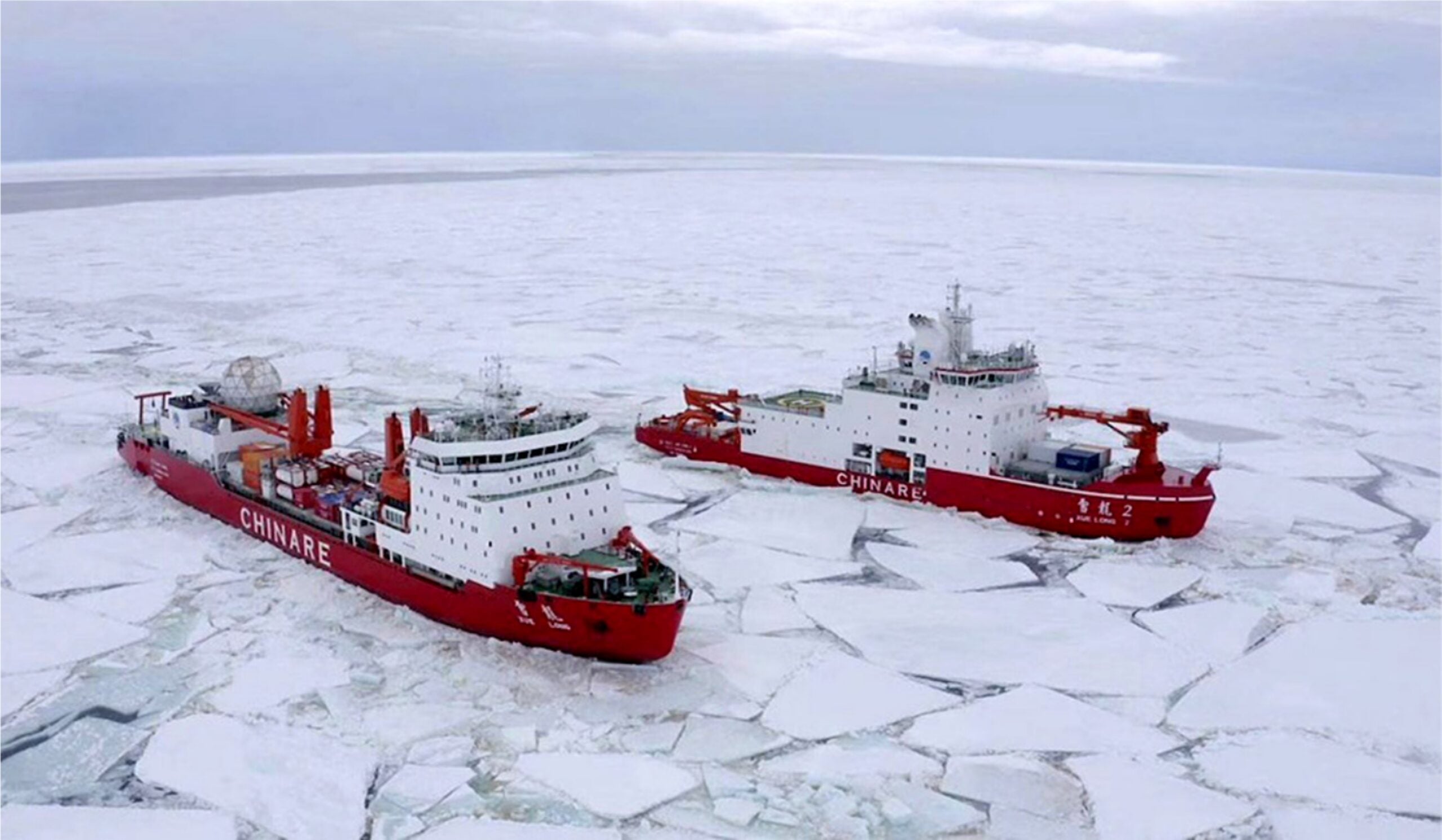
China’s nuclear regulator has granted Jiangnan Shipyard (Group) Co., Ltd. approval to manufacture and install key civil nuclear safety equipment, a move that could signal progress on a new generation of nuclear-powered maritime platforms, from experimental container ships to polar icebreakers.
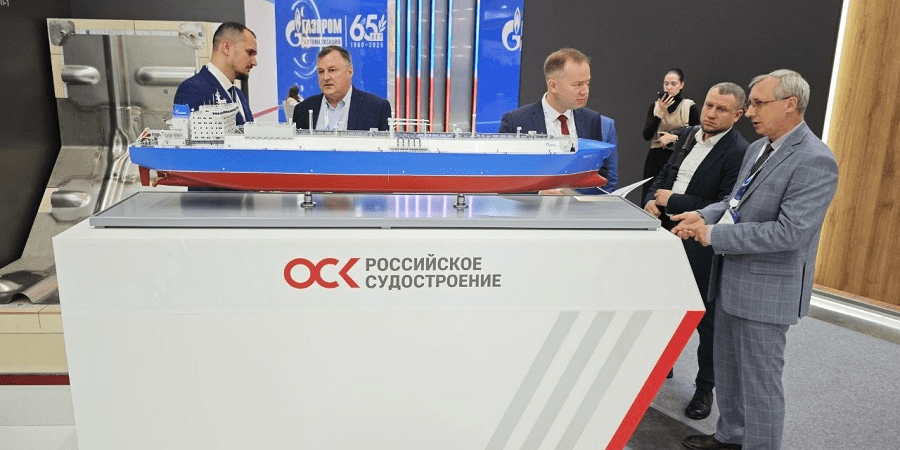
Blocked from accessing western tech, Russia's United Shipbuilding Corporation (USC) aims to construct the country’s first ice-class gas carrier. The company presented plans for the LNG carrier at the St. Petersburg International Gas Forum. Developed for Gazprom’s Baltic Ust-Luga facility, the design could easily be adapted for the needs of other Russian gas companies.
October 13, 2025
Total Views: 2275
Get The Industry’s Go-To News
Subscribe to gCaptain Daily and stay informed with the latest global maritime and offshore news
— just like 106,655 professionals
Secure Your Spot
on the gCaptain Crew
Stay informed with the latest maritime and offshore news, delivered daily straight to your inbox
— trusted by our 106,655 members
Your Gateway to the Maritime World!
Essential news coupled with the finest maritime content sourced from across the globe.

 Join The Club