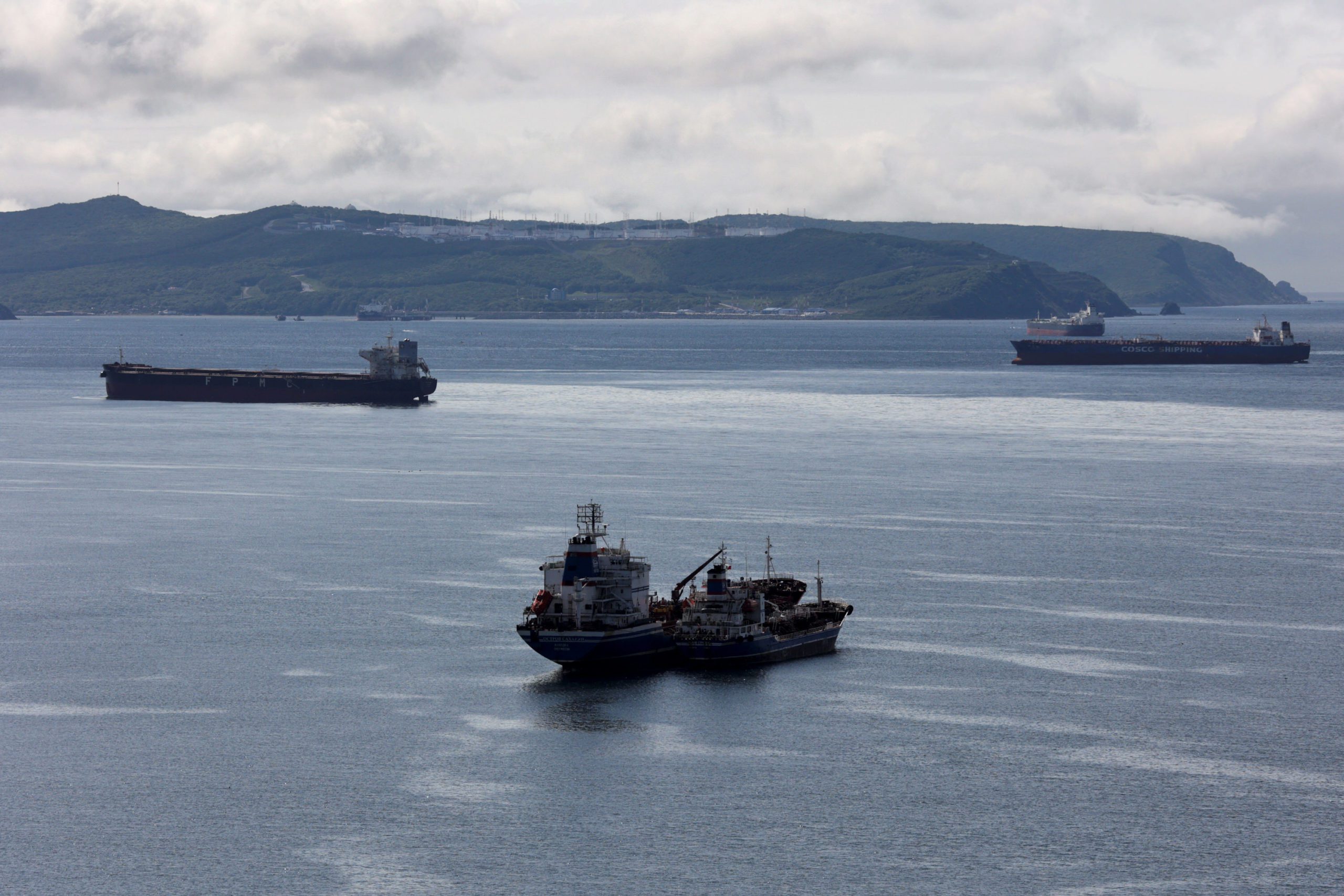
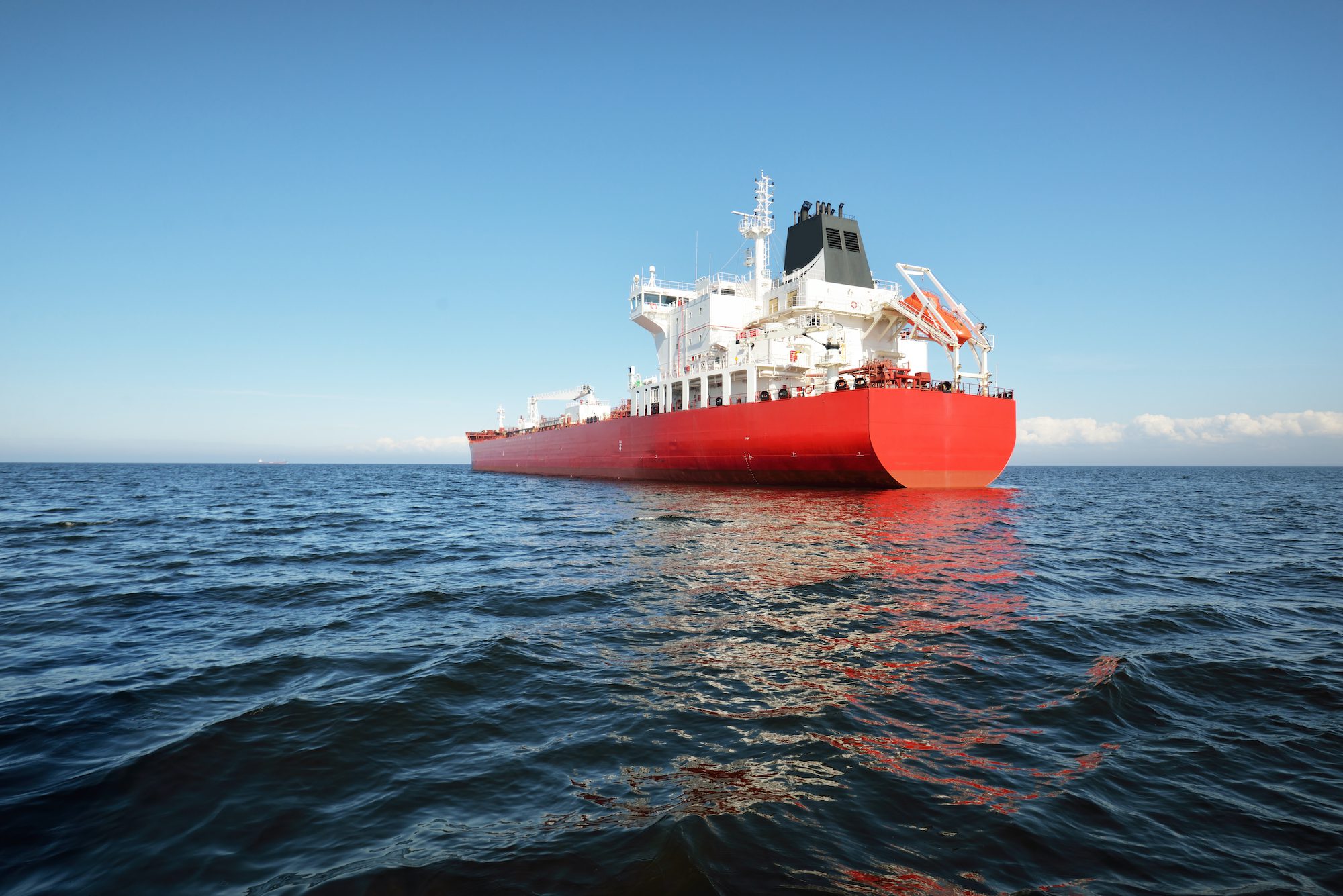
Russia plans to boost diesel shipments from its main western ports by more than half next month as the nation’s oil refineries processes more crude, its domestic fuel market stabilizes, and an export ban that roiled October flows is reversed.
Loadings from Russian ports on the Black and Baltic Seas, including some batches originating in Belarus, are set at a total 2.16 million tons for November, according to industry data seen by Bloomberg. That’s 56% above the October plan and Russia’s highest planned exports in three months.
Diesel loading plans, in million tons
November
October
Baltic port of Primorsk
1.47
0.969
Baltic port of Vysotsk
0.407
0.180
Black Sea port of Novorossiysk
0.282
0.239
Russia imposed a temporary ban on most diesel export flows in late September in a move to quell spiraling domestic road-fuel prices. While most of the restrictions were lifted two weeks later, the government ordered key refineries to keep half of their diesel at home to stabilize the market.
The restrictions affected the Russian export plan for October and created uncertainties over how much diesel the nation’s producers would be able to sell overseas in the future, given seasonal refinery maintenance and potential volatility of domestic road-fuel prices that could prompt the government reimpose curbs.
However, Russia’s refineries have been steadily processing more crude in recent weeks, with the main seasonal work expected to be completed by mid-November. Domestic pump prices of diesel have stabilized, the government press service said Friday.
The planned hike in Russian seaborne diesel exports should help to offset the impact of seasonal refinery work throughout Asia that may limit that region’s diesel supplies.
The November plan seen by Bloomberg News only shows shipments of diesel delivered to ports by pipeline, which are permitted by the government decree. Actual flows may differ, depending on the weather and demand from overseas buyers.
President Donald Trump said Friday that Russia has agreed to release millions of tons of diesel fuel into U.S. and global markets following a telephone call with Russian President Vladimir...
For a sign of just how extraordinary oil shipping costs have become, consider this: It’s now more expensive to hire a tanker from the US to China than to launch a rocket into space.
The United Kingdom on Thursday sanctioned 12 oil tankers it identified as part of Russia's shadow fleet, including the 22-year-old Dakar that is currently making an unusual late-season voyage on the Northern Sea Route.
October 8, 2026
Total Views: 563
Get The Industry’s Go-To News
Subscribe to gCaptain Daily and stay informed with the latest global maritime and offshore news
— just like 106,659 professionals
Secure Your Spot
on the gCaptain Crew
Stay informed with the latest maritime and offshore news, delivered daily straight to your inbox
— trusted by our 106,659 members
Your Gateway to the Maritime World!
Essential news coupled with the finest maritime content sourced from across the globe.

 Join The Club