Don’t Miss Your Daily Briefing for the Maritime Industry
Join the leading maritime news network
— trusted by our 106,433 members
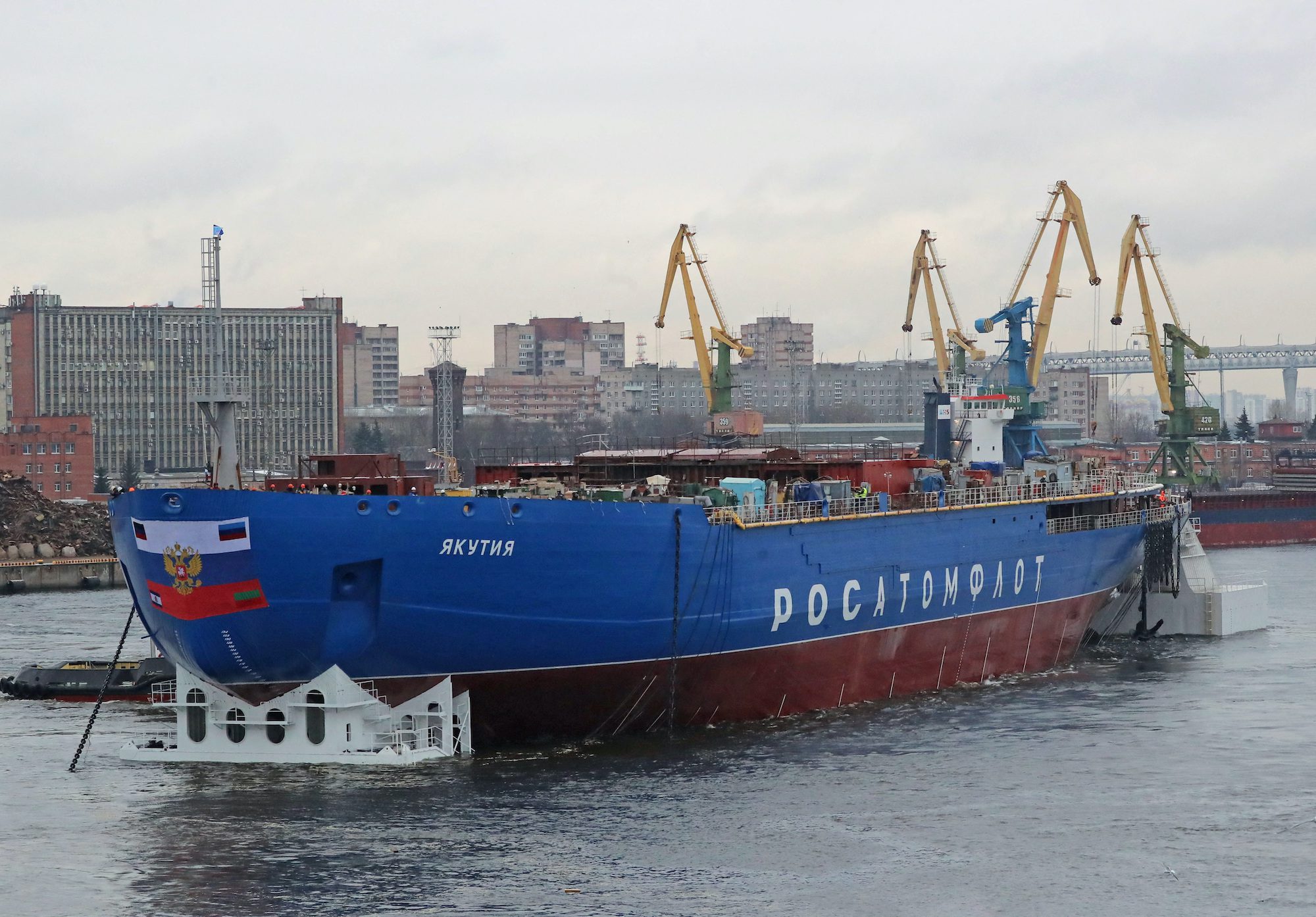
A view shows the nuclear-powered icebreaker "Yakutia" during the launch ceremony at the Baltic Shipyard in Saint Petersburg, Russia November 22, 2022. REUTERS/Igor Russak
Russia to Spend $6bn To Jumpstart Domestic Shipbuilding, Includes 130 Vessels for Arctic
Of these 713 vessels would come during the period from 2025 to 2030, with the remainder during the five years to 2036. The plan calls for the construction of 130 high ice-class vessels, including oil and gas tankers and bulk carriers, to further develop Arctic shipping routes.
“It is necessary to ensure the development of competencies in the construction of a fleet for domestic transportation, large-tonnage sea vessels for the export of goods, scientific research, as well as an increase in the production of ships for the development of the Arctic,” the document reads.
The strategy outlines three scenarios for the construction of merchant vessels. In a low growth scenario, where Western sanctions continue to impact the country, fleet expansion could be limited to 1,165 vessels, while in an optimistic scenario expansion could reach 1,910 vessels.
Efforts to boost domestic capacity have in part become necessary due Western sanctions limiting Russia’s access to traditional shipbuilding powerhouses South Korea and Japan. Six ice-capable LNG carriers constructed for Russia’s Arctic LNG 2 project by Hanwha Ocean remain tied up at the yard due to U.S. measures.
“The shipbuilding industry of the Russian Federation has faced a number of new challenges […] including in connection with the introduction of economic sanctions. This results in the need to create its own competencies in the construction of a large-tonnage cargo fleet to ensure export and domestic cargo flows,” the strategy reads.
The impact of sanctions on shipbuilding supplies is also substantial. 97 percent of all imported equipment was purchased in “unfriendly countries,” the strategy reveals.
Russia also lacks suitable facilities to construct and serialize large merchant vessels.
“One of the most serious production and technological issues in the shipbuilding industry remains the shortage of construction and launching facilities for the serial production of large-tonnage ships and vessels, which has a significant impact on their construction time. Only a few shipbuilding enterprises in the Russian Federation are capable of building civilian vessels longer than 170 meters,” the document concludes.
Russian shipbuilding capacity between 1949 and 2023. (Source: Russian Government Shipbuilding Strategy)
Arctic shipping along the Northern Sea Route features prominently in the strategy.
“The priority will be the construction of ships to provide transport corridors of the Northern Sea Route. According to estimates, the demand for construction by 2036 may reach up to 130 vessels of various purposes of the high Arctic class, including container ships, bulk carriers, universal supply vessels, tankers for the transportation of crude oil and product tankers, gas tankers.”
Expansion of the country’s icebreaker fleet is also expected to continue. The strategy foresees fleet strength reaching 60 vessels by 2030 and 69 by 2036 in the baseline scenario.
As of 2023 the country’s icebreaker fleet consisted of 45 icebreakers, including 37 diesel-electric and 8 nuclear. However, similar to the U.S.’ aging Arctic capacity, many of Russia’s icebreakers will need to be replaced in the coming two decades. Nearly half of its icebreakers are older than 40 years, with just 10 vessels younger than 10 years.
What (Acting) Secretary Hung Cao’s First Five Months Tell Us About the Job Ahead By Bruce Kimbrell (Policy Op-Ed) President Trump has nominated the Honorable Hung Cao to become the...
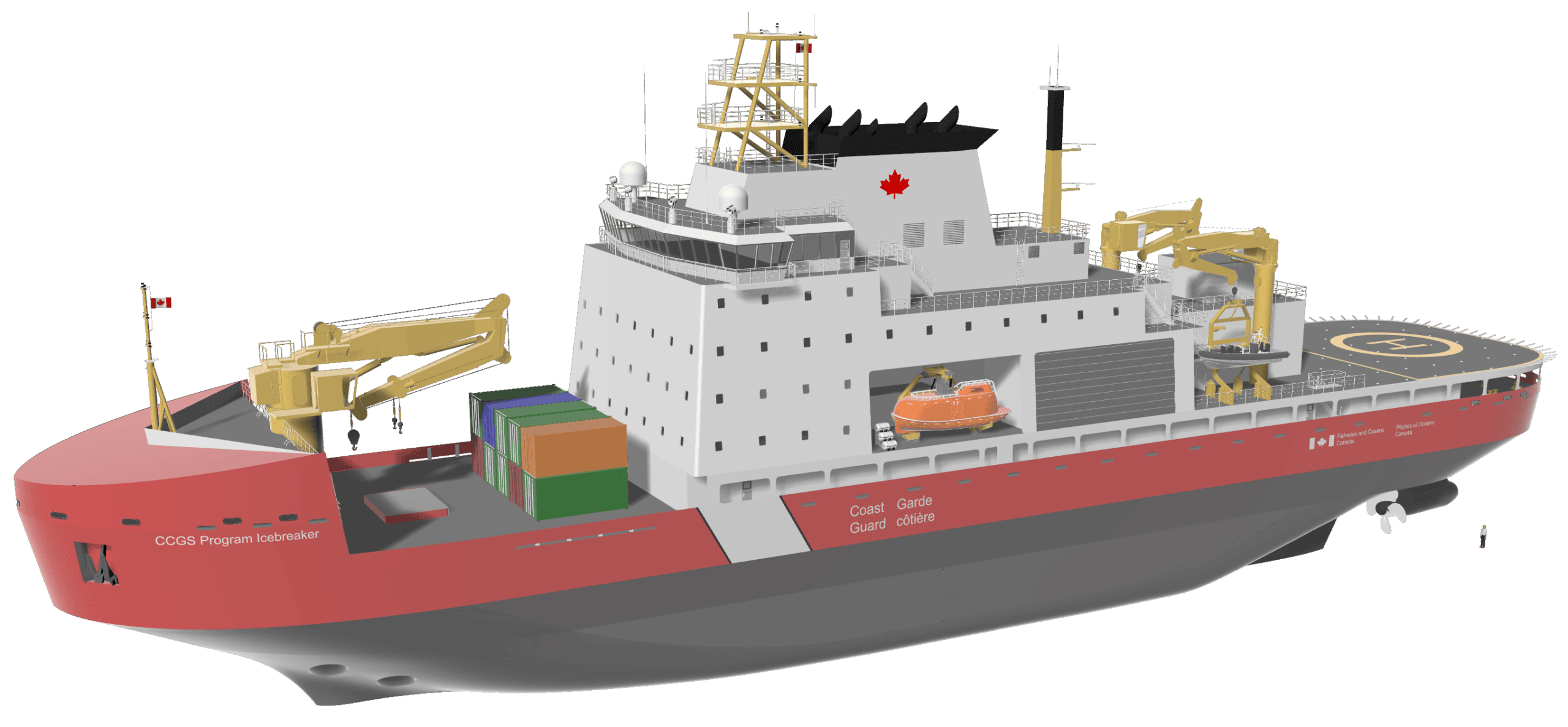
Canada is committing more than C$11 billion ($7.95 billion) to build six new icebreakers for the Canadian Coast Guard, the country’s biggest shipbuilding contract in Quebec’s history, as Arctic nations race to replace aging fleets and expand their ability to operate in increasingly strategic northern waters.
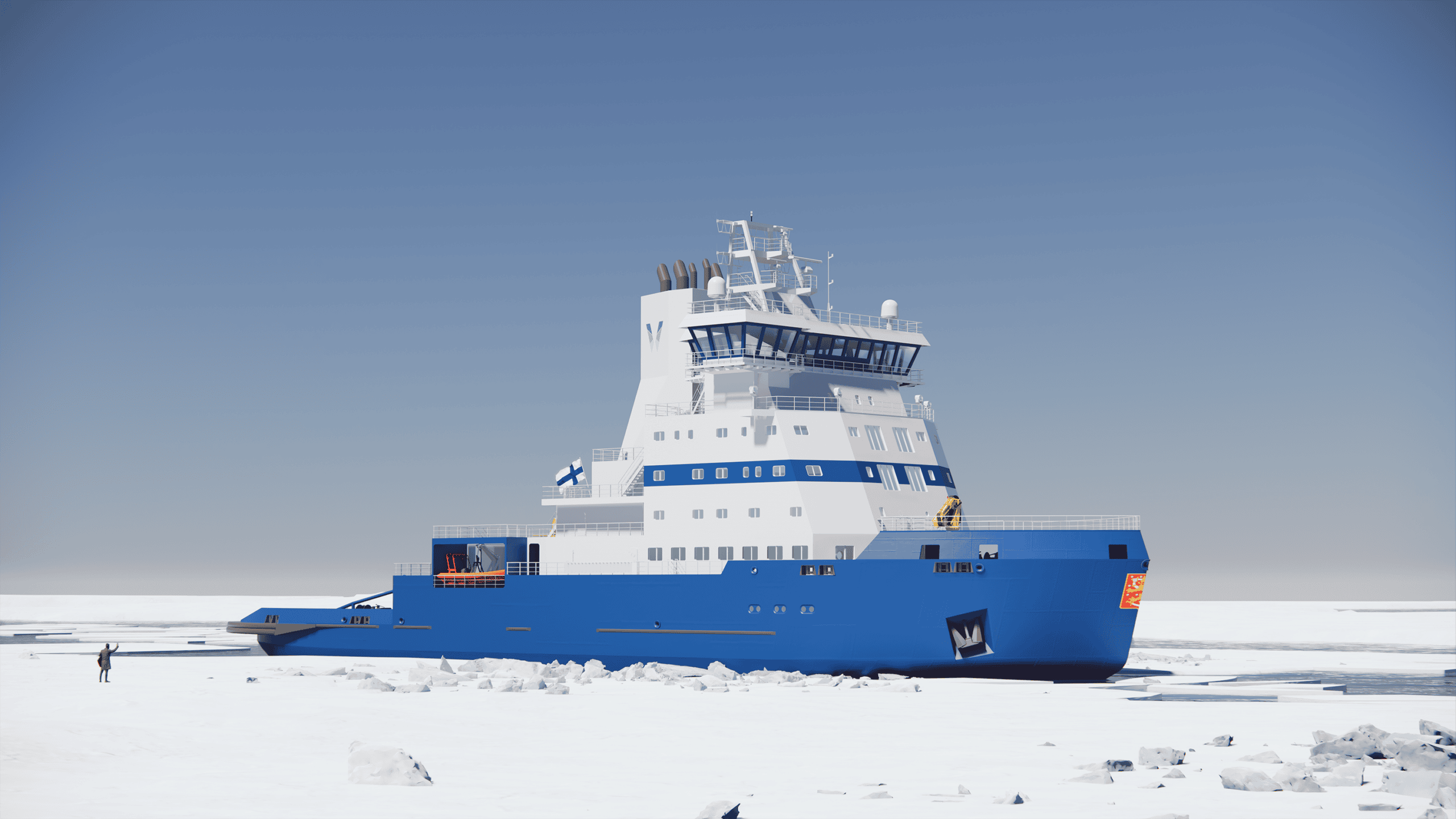
Davie’s Helsinki Shipyard has won a contract to build Finland’s newest icebreaker, adding another vessel to a rapidly expanding order book for the Canadian shipbuilder’s Finnish operations as governments on both sides of the Atlantic seek to renew aging icebreaker fleets.
August 19, 2026
Total Views: 2278
Get The Industry’s Go-To News
Subscribe to gCaptain Daily and stay informed with the latest global maritime and offshore news
— just like 106,433 professionals
Secure Your Spot
on the gCaptain Crew
Stay informed with the latest maritime and offshore news, delivered daily straight to your inbox
— trusted by our 106,433 members
Your Gateway to the Maritime World!
Essential news coupled with the finest maritime content sourced from across the globe.

 Join The Club