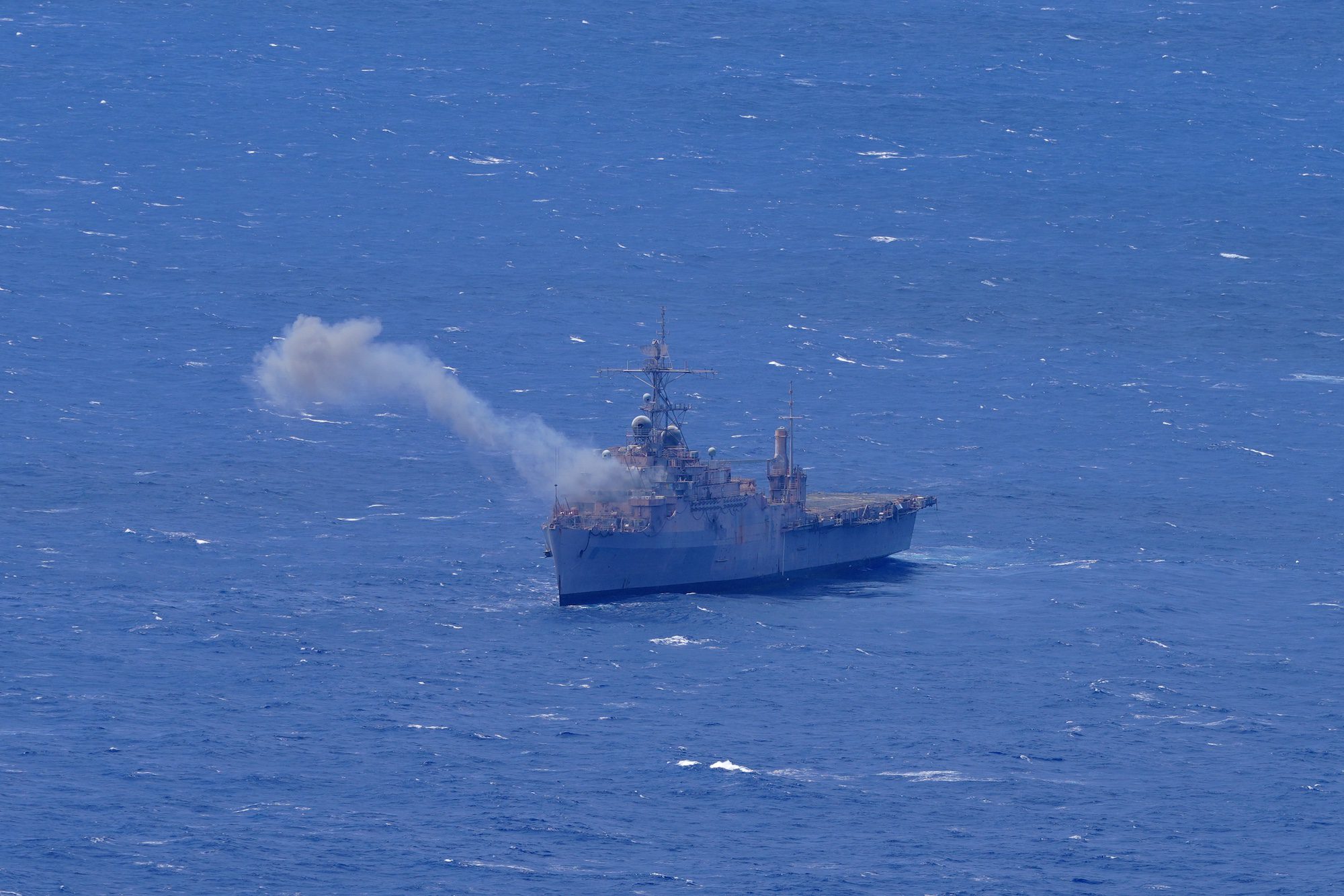
Ships and aircraft successfully sank the decommissioned USS Dubuque (LPD 8) and USS Tarawa (LHA 1) this month during a SINKEX exercise at RIMPAC 2024.
The exercises took place on July 11 and July 19 in waters 15,000 feet deep, more than 50 nautical miles off the northern coast of Kauai.
Units from multiple nations, including Australia, Malaysia, the Netherlands, the Republic of Korea, and the U.S. military branches, tested their skills in tactics, targeting, and live firing against surface ships during SINKEX events. The exercises allow for realistic training on weapons and systems, as well as improving the ability to plan, communicate, and execute the mission.
“Sinking exercises give us a chance to sharpen our skills, learn from one another, and get real-world experience,” said U.S. Navy Vice Adm. John Wade, RIMPAC 2024 Combined Task Force Commander. “Using advanced weapons and seeing the professionalism of our teams during these drills shows our commitment to keeping the Indo-Pacific region safe and open.”
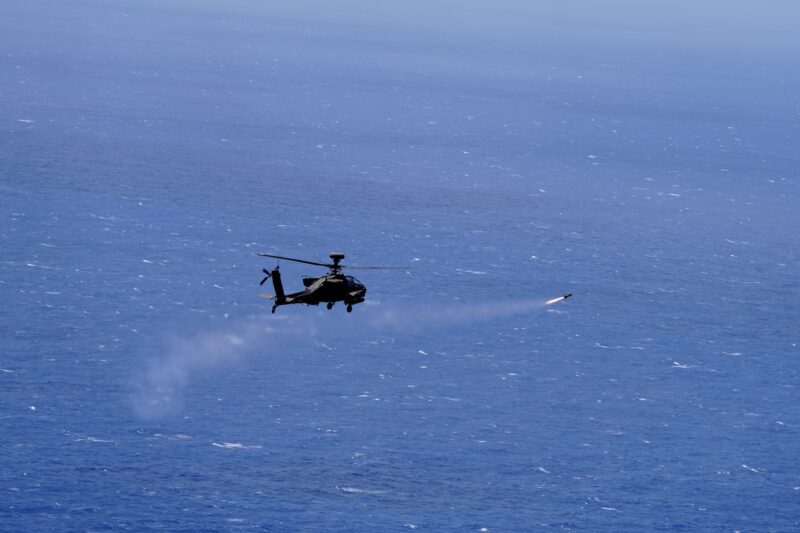
An AH-64 Apache helicopter shoots a AGM-114 Hellfire missile towards the decommissioned Austin-class amphibious transport dock USS Dubuque for a long planned, live fire sinking exercise (SINKEX) off the coast of Kauai during Exercise Rim of the Pacific (RIMPAC) 2024, July 11, 2024. U.S. Army Photo
The sinking of the ex-Tarawa included the use of a Long-Range Anti-Ship Missile (LRASM) from a U.S. Navy F/A-18F Super Hornet. The cruise missile provides versatile capabilities for offensive anti-surface warfare and is currently deployed from U.S. Navy F/A-18 and U.S. Air Force B-1B aircraft.
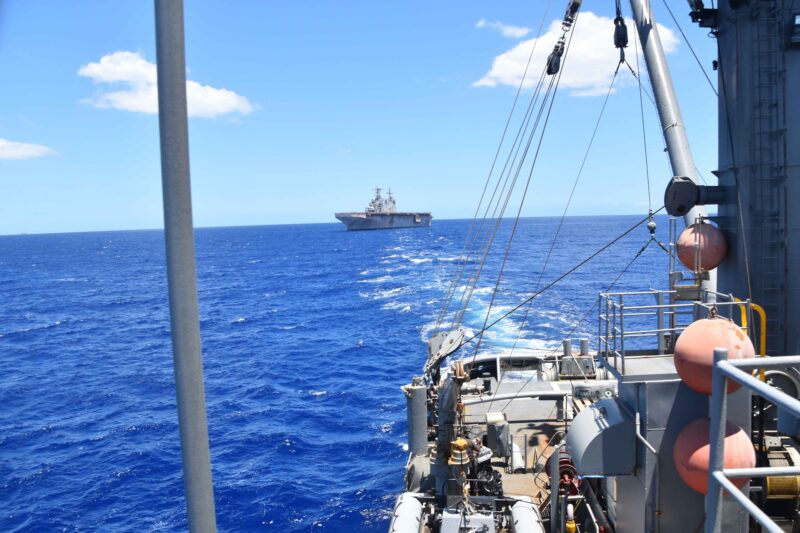
Decommissioned Navy amphibious assault ship Ex-Tarawa (LHA 1) trails behind the Military Sealift Command auxiliary rescue and salvage ship, USNS Grasp (T-ARS 51). Grasp conducted tow operations with Ex-Tarawa in support of Rim of the Pacific (RIMPAC) 2024, where Grasp will deliver the LHA to the target area in preparation for a sinking exercise.
A U.S. Air Force B-2 Spirit stealth bomber, in collaboration with the U.S. Navy, also performed the U.S. Department of Defense’s latest QUICKSINK test, funded by the Office of the Under Secretary of Defense for Research and Engineering, to provide cost-effective neutralization of maritime threats.
“The power of RIMPAC is in how it strengthens relationships between participating nations by challenging us to conduct realistic and relevant training together,” said Royal Australian Air Force Air Commodore Louise desJardins, Combined Force Air Component Commander. “It is a real demonstration of how we plan, communicate, and conduct complex operations like a SINKEX together and reflects the value of robust relationships between regional partners.”
Former Navy vessels used in SINKEXs are prepared according to EPA regulations, requiring them to sink in at least 1,000 fathoms of water and 50 nautical miles from land. The Navy cleans the hulks thoroughly, removing harmful materials like PCBs and petroleum to protect the marine environment.
Watch: Royal Netherlands Navy frigate HNLMS Tromp (F803) Participates in SINKEX Exercise at RIMPAC 2024
The ex-Dubuque, an Austin-class amphibious transport dock, was commissioned in 1967 and saw extensive duty in Vietnam and Operation Desert Shield before being decommissioned in 2011. The ex-Tarawa, the lead amphibious assault ship of her class, was commissioned in 1976 and participated in numerous operations, including Operation Desert Shield and Operation Iraqi Freedom, before decommissioning in 2009.
RIMPAC 2024 marks the 29th RIMPAC exercise to take place since 1971. This years exercise involves 29 nations, 40 ships, three submarines, 14 land forces, over 150 aircraft, and 25,000 personnel. It is the world’s largest international maritime exercise, promoting cooperation and ensuring maritime safety and security.
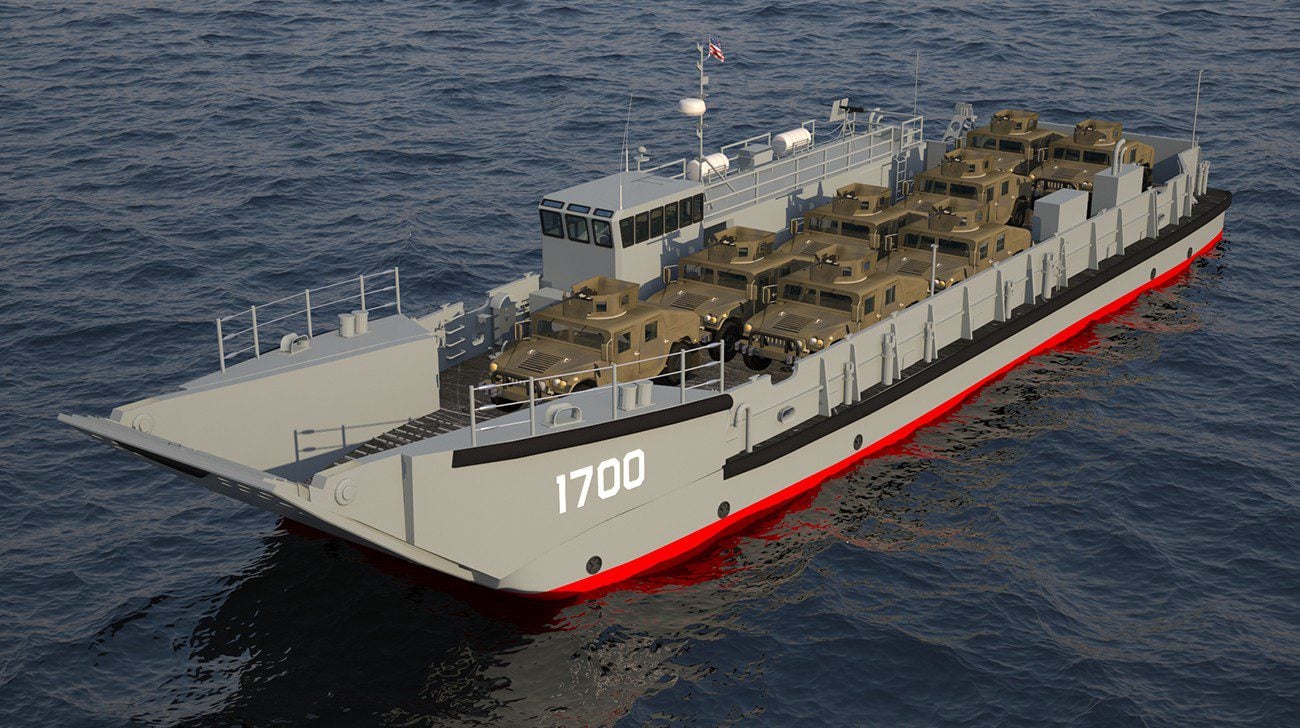
Master Boat Builders has secured its first U.S. Navy defense shipbuilding contract as a prime shipyard, winning an agreement to build three new Landing Craft Utility vessels at its yard...
Anthropic says it disrupted an Iran-linked user that used its Claude artificial intelligence models to track U.S. naval forces, compile targeting material and research vulnerabilities in shipboard systems. The activity...
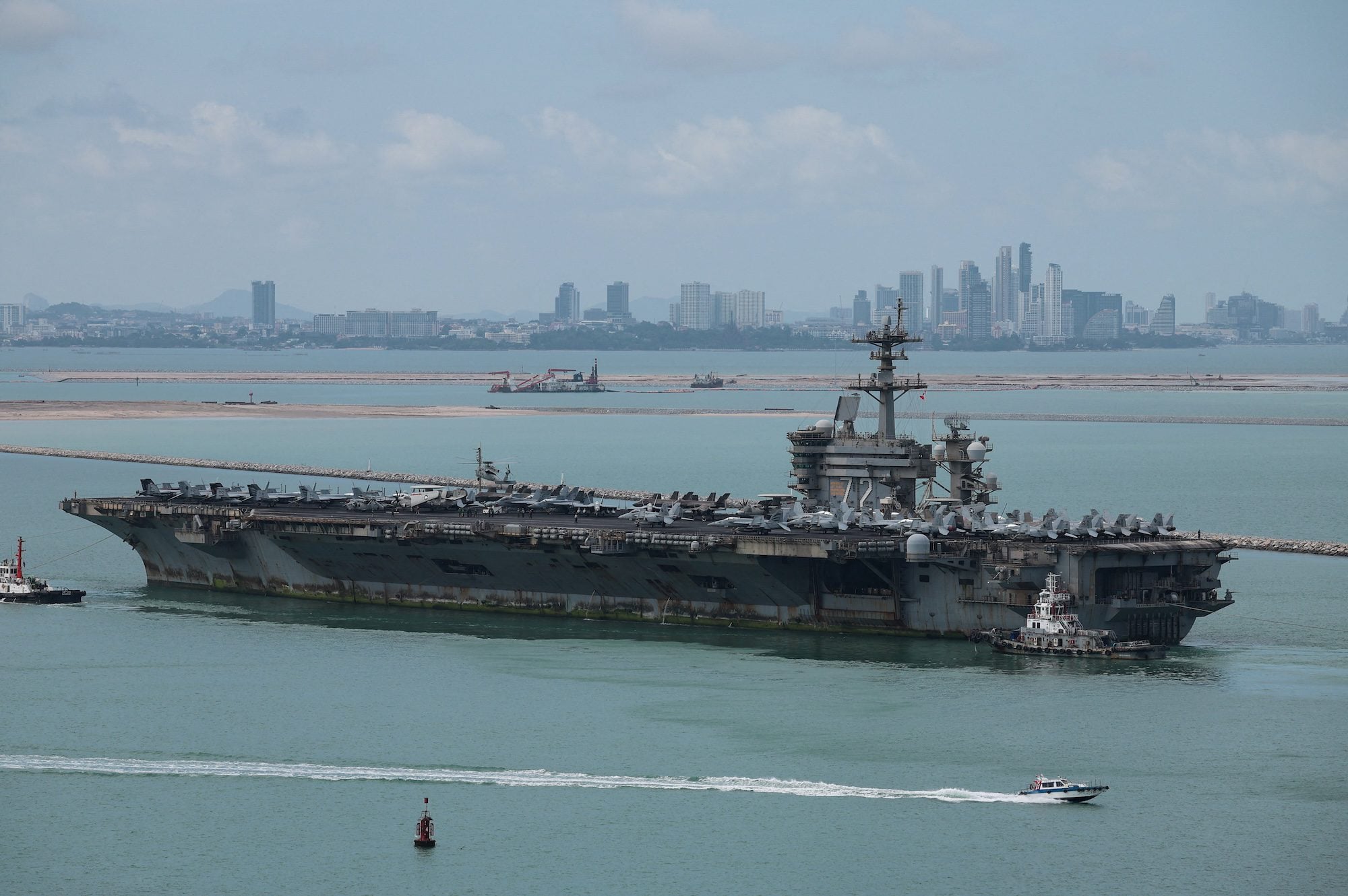
U.S. Navy aircraft carrier Abraham Lincoln arrived in port in eastern Thailand on Wednesday after 286 days at sea, including a lengthy deployment in the Middle East, amid reports of mental health concerns and deteriorating conditions on board.
September 2, 2026
Total Views: 3451
Get The Industry’s Go-To News
Subscribe to gCaptain Daily and stay informed with the latest global maritime and offshore news
— just like 106,875 professionals
Secure Your Spot
on the gCaptain Crew
Stay informed with the latest maritime and offshore news, delivered daily straight to your inbox
— trusted by our 106,875 members
Your Gateway to the Maritime World!
Essential news coupled with the finest maritime content sourced from across the globe.

 Join The Club