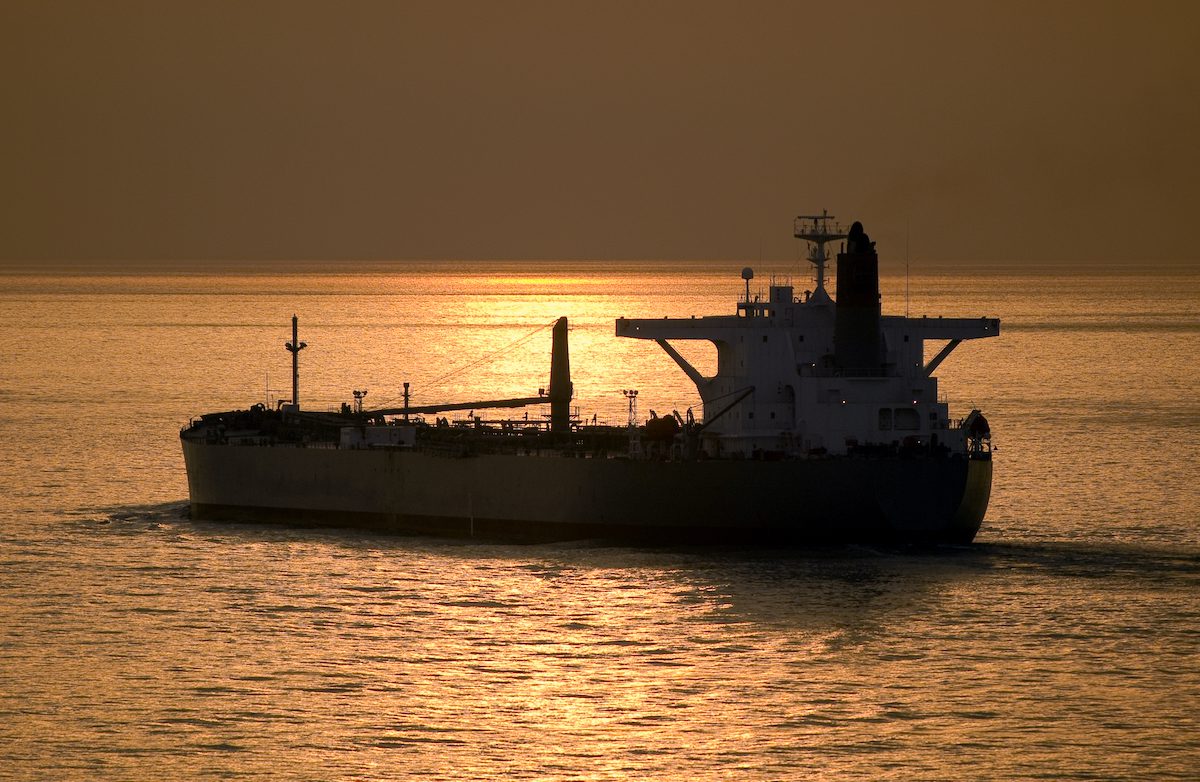
By Roslan Khasawneh SINGAPORE, April 8 (Reuters) – Supertanker freight rates have fallen after last week’s highs as industry participants await the outcome of a meeting of oil producers on Thursday before making further bookings, industry sources said.
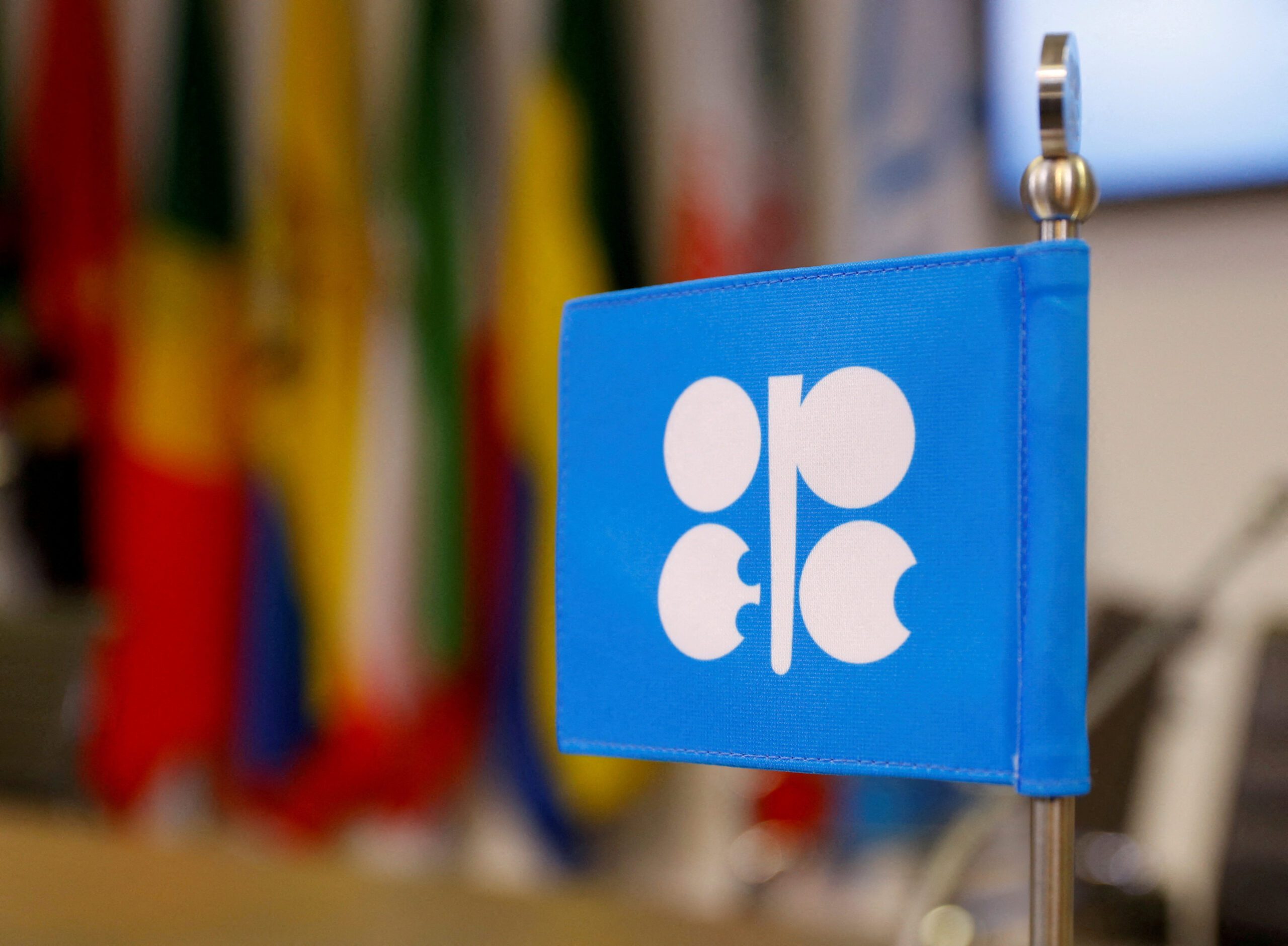
Freight rates could drop further if the Organization of the Petroleum Exporting Countries, Russia and other producers decide to cut output sharply, reducing transport and storage demand for oil, they said. They could jump again if producers fail to reach an agreement.
“From a freight standpoint, therefore, we would expect an immediate scale down of Saudi seaborne exports,” Anoop Singh, head of tanker research in Asia at Braemar ACM Shipbroking, said. The financial incentives for storing crude in ships would also be eliminated, further weighing on freight rates, he added.
The threat of a big production cut combined with lower demand has dampened sentiment in the VLCC (very large crude carrier) market this week, pushing freight rates along the Middle East-China route lower to about $125,000 per day on Wednesday, down by nearly half from about $235,000 a day last week, according to ship broker data and sources. <DFRT-ME-CN>
By comparison, VLCC freight rates were at about $30,000 per day at the start of March before Saudi Arabia pledged to unleash its vast crude supplies following the collapse of supply talks with Russia.
Despite doubts over the role of the United States in any production curbs, the prospect of a coordinated production cut has already caused a surge in front-month crude prices, narrowing crude oil’s contango structure.
Floating storage is incentivised by a structure of the forward price curve, known as contango, whereby future supplies are more expensive than those for immediate delivery.
Since the beginning of March, freight rates have surged following a spike in Saudi crude oil exports and an increase in floating storage demand driven by the widening of crude’s contango structure.
“Absent the two, and we expect dirty freight rates to correct to near early March levels supported only by a gradual recovery in China’s refinery runs and eventually in its crude buying,” Singh said.
But if OPEC and its allies fail to strike a deal, tanker rates may quickly resume their ascent as participants scramble to secure ships for transport or floating storage.
“If the free for all vis-a-vis oil production continues, a continuation of the storage-driven rally is on the cards,” Ashok Sharma, managing director of shipbroker BRS Baxi in Singapore, said. (Reporting by Roslan Khasawneh; editing by Barbara Lewis)
The United Arab Emirates said on Tuesday it was quitting OPEC, dealing a heavy blow to the oil producers' group as an unprecedented energy crisis triggered by the Iran war exposes discord among Gulf nations.
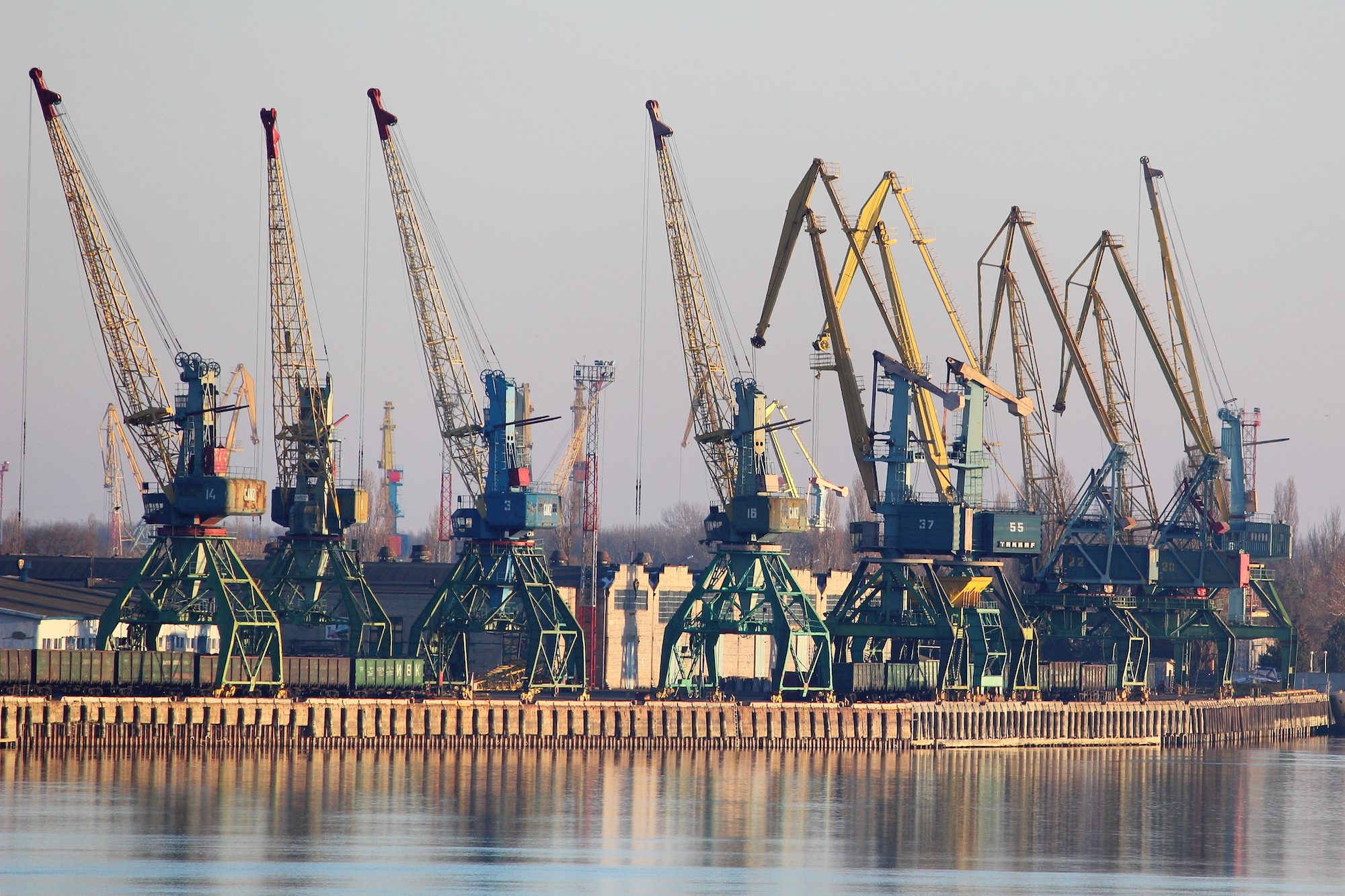
Russian drones attacked Ukraine's Izmail port in the southern Odesa region overnight and damaged a civilian Panama-flagged vessel, Ukrainian officials said on Tuesday.
NATO member Estonia will refrain from detaining Russia's "shadow fleet" vessels in the Baltic Sea, worried that seizing oil tankers and other ships sanctioned by the West could lead Moscow to defend them militarily, a senior commander said on Friday.
April 10, 2026
Total Views: 1824
Get The Industry’s Go-To News
Subscribe to gCaptain Daily and stay informed with the latest global maritime and offshore news
— just like 106,283 professionals
Secure Your Spot
on the gCaptain Crew
Stay informed with the latest maritime and offshore news, delivered daily straight to your inbox
— trusted by our 106,283 members
Your Gateway to the Maritime World!
Essential news coupled with the finest maritime content sourced from across the globe.

 Join The Club