Don’t Miss Your Daily Briefing for the Maritime Industry
Join the leading maritime news network
— trusted by our 106,065 members
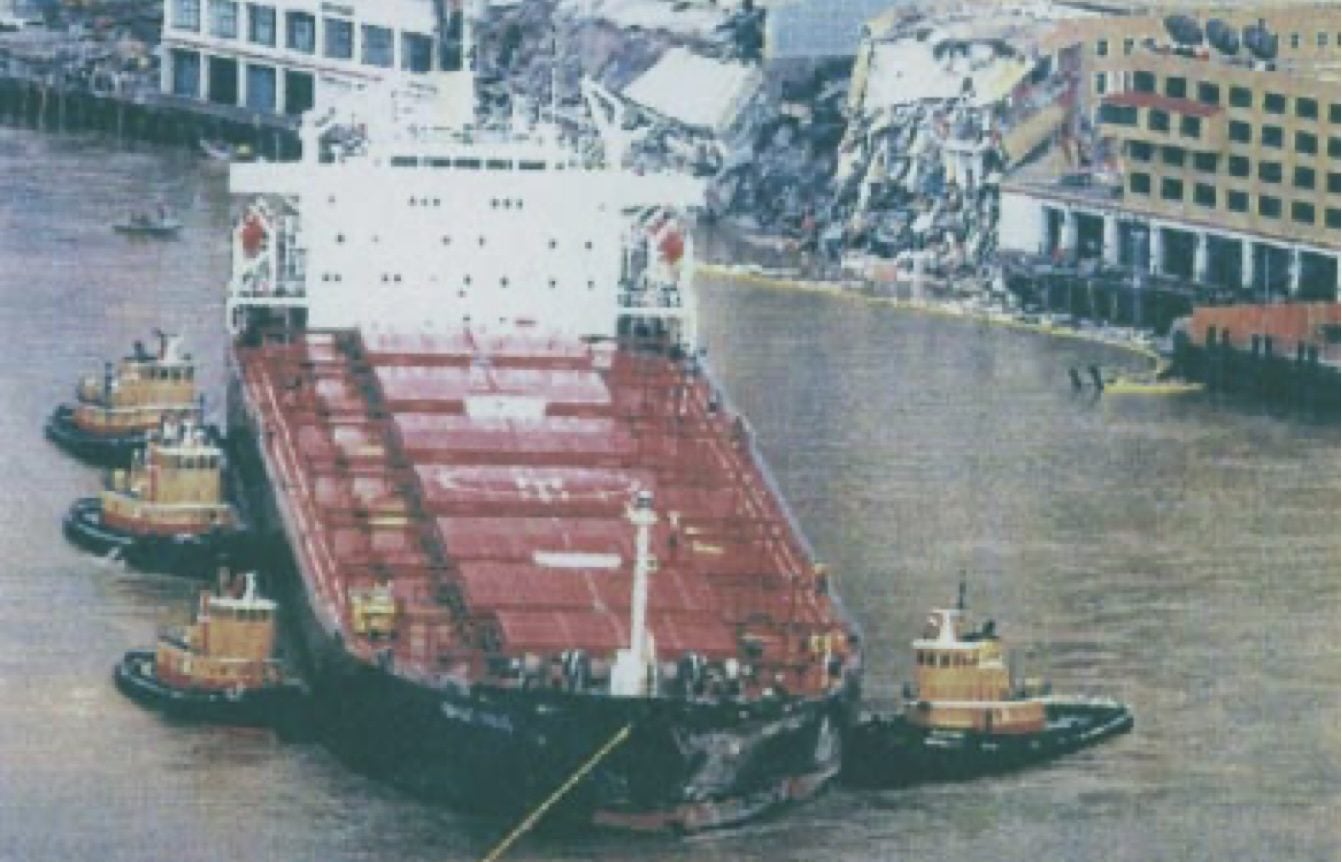
The bulk carrier Bright Field surrounded by tugboats near the damaged New Orleans waterfront following its December 1996 allision. The accident prompted NTSB safety recommendations addressing the risks posed by large commercial vessels to passenger ships docked along the Mississippi River. (Image: NTSB accident investigation report)
NTSB Warned of Mississippi River Passenger Vessel Collision Risks Nearly 30 Years Ago
Nearly three decades before a tanker slammed into a docked river cruise ship in New Orleans, the National Transportation Safety Board warned that passenger vessels along the Mississippi River waterfront were vulnerable to being struck by large commercial ships and urged authorities to consider relocating them or installing protective measures.
The warning came in a 1998 NTSB investigation into the Bright Field accident, when a Liberian-flagged bulk carrier lost propulsion and crashed into the New Orleans riverfront, injuring 62 people.
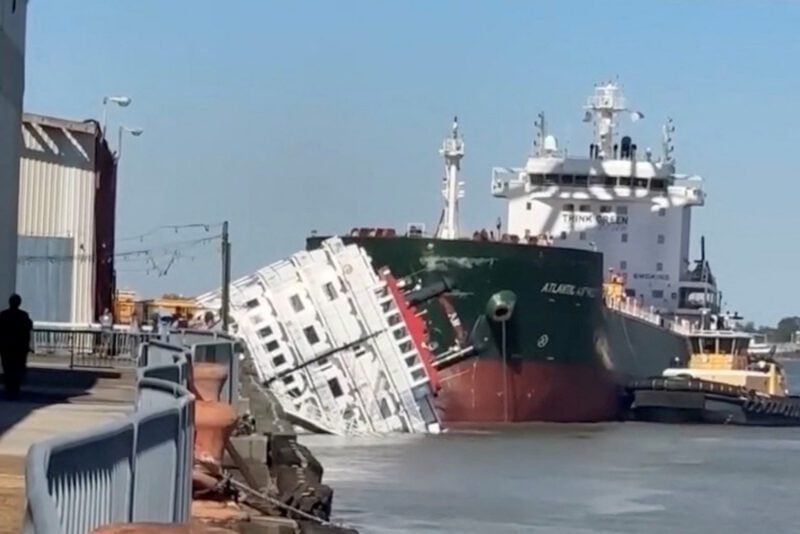
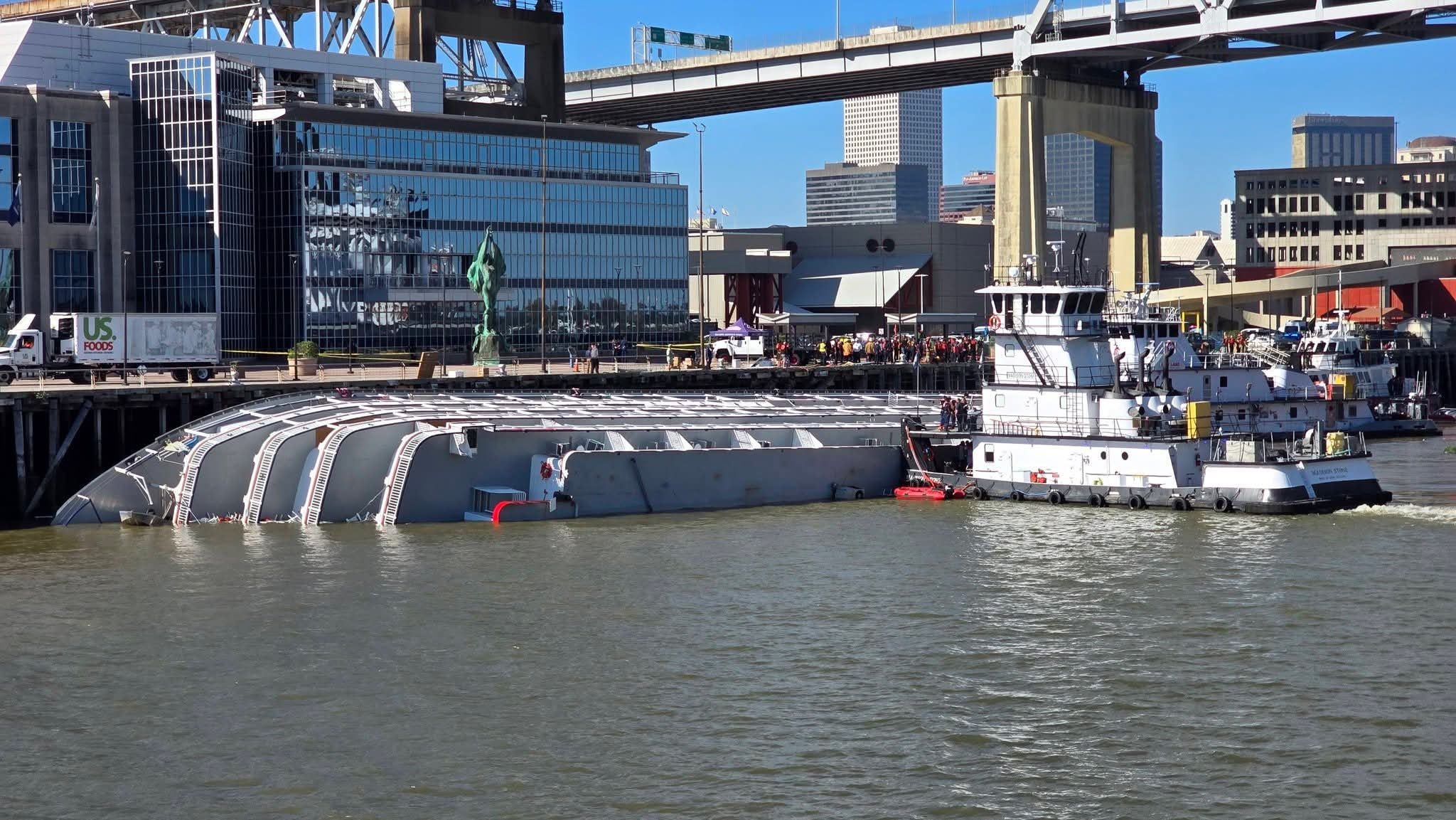
Now, the findings are drawing renewed attention following Friday’s allision between the Marshall Islands-flagged tanker Atlantic Asphalt and American Cruise Lines’ American Heritage, which capsized after being struck while docked near the Crescent City Connection Bridge right in the heart of downtown New Orleans.
All 190 passengers and crew aboard the riverboat survived the November 13 accident, although 32 people were taken to hospitals.
An American Cruise Lines passenger ship that was docked sinks in the Mississippi River after a tanker ship collided with it in New Orleans, Louisiana, US, November 13, 2026, in this screen grab obtained from a social media video. Tarzan Duran/via REUTERS
The similarities between the two accidents are striking, particularly because the earlier investigation specifically identified the dangers facing passenger vessels moored along the busy commercial waterway.
In its report on the December 14, 1996, Bright Field accident, the NTSB concluded that the Coast Guard, Port of New Orleans and waterfront operators had failed to adequately assess, manage or mitigate the risks of locating unprotected commercial facilities in areas vulnerable to vessel strikes.
Notably, the Bright Field stopped just 70 feet from the docked gaming vessel Queen of New Orleans, while its bow wave caused the gangway of the nearby paddlewheeler Creole Queen to collapse, sending three passengers into the Mississippi River. The Creole Queen had 190 passengers and crew aboard — the same approximate number reported aboard American Heritage during Friday’s collision. The NTSB subsequently criticized the vessels’ emergency evacuation arrangements and issued additional safety recommendations.
In its report, the agency issued two recommendations addressing the placement of passenger vessels along the river.
Recommendation M-98-1 directed the Coast Guard, working with the Port of New Orleans, to reassess the risks of passenger vessel berths along the Mississippi River’s left descending bank and determine whether vessels should be moved to safer locations or protected through procedural, operational or physical barriers.
Another recommendation, M-98-10, directed the Port of New Orleans to undertake the same assessment in cooperation with the Coast Guard.
The NTSB also called for a comprehensive risk assessment of maritime and shoreside activities throughout the port, including measures to reduce the dangers associated with commercial vessel traffic.
In that earlier investigation, the NTSB highlighted the risks created by large vessels navigating the narrow, heavily trafficked river near passenger terminals, commercial developments and other vulnerable infrastructure, and identified potential mitigation measures including reduced vessel speeds, tug escorts and moving passenger vessels to safer locations.
The danger of mechanical failure was also well documented. When the Coast Guard subsequently finalized additional Lower Mississippi River navigation regulations in 1999, it noted that more than 300 self-propelled vessels of at least 1,600 gross tons had experienced propulsion losses, steering casualties or engine irregularities on the Mississippi River during 1995 and 1996.
The 1999 regulations established additional operating requirements for larger commercial vessels and required certain passenger vessels moored or anchored in the river to maintain manned pilothouse watches and monitor emergency communications.
Those requirements, now contained in 33 CFR 165.810, were intended to improve navigation safety and allow passenger vessel crews to respond quickly to emergencies.
The regulatory action demonstrates that authorities did respond to the earlier accident. However, the extent to which the NTSB’s separate recommendations concerning passenger vessel placement and protective barriers were implemented at individual berths remains unclear.
The current official disposition of recommendations M-98-1 and M-98-10 has not been independently confirmed. Nor has it been established what specific risk assessments or protective measures were in place at the berth occupied by American Heritage.
Those questions could become significant as investigators examine the circumstances surrounding Friday’s collision.
According to the NTSB’s ongoing investigation, the Atlantic Asphalt was traveling upriver near the Crescent City Connection Bridge when it experienced what investigators described as a steering casualty.
Preliminary information recovered from the tanker’s voyage data recorder indicates the vessel’s rudder remained in a starboard position, causing the tanker to veer toward the river’s east bank.
Approximately two minutes later, the tanker struck American Heritage at its berth. The riverboat subsequently overturned, forcing passengers and crew to evacuate as emergency responders and nearby commercial vessels rushed to assist.
Investigators have not determined what caused the steering failure.
While the Bright Field accident involved a loss of propulsion rather than steering, both incidents demonstrate the consequences of a large commercial vessel losing maneuvering capability in the confined waters of downtown New Orleans.
The NTSB has not determined whether the location of the American Heritage berth or the protective measures in place contributed to Friday’s accident. Nor is there evidence at this stage that either vessel or port authorities violated the regulations adopted following the earlier casualty.
But the 1998 recommendations raise an important question nearly 30 years after federal investigators identified the danger of large commercial ships striking passenger vessels along the New Orleans waterfront.
For the NTSB, which has repeatedly warned across transportation sectors about the dangers of leaving identified safety risks unresolved, the latest collision presents another opportunity to examine whether lessons from an earlier accident could have made a difference in this latest case.
The captain and crew of the American Heritage, along with tugboat operators and first responders who rushed to the scene, are being hailed as heroes following Friday’s dramatic collision on...
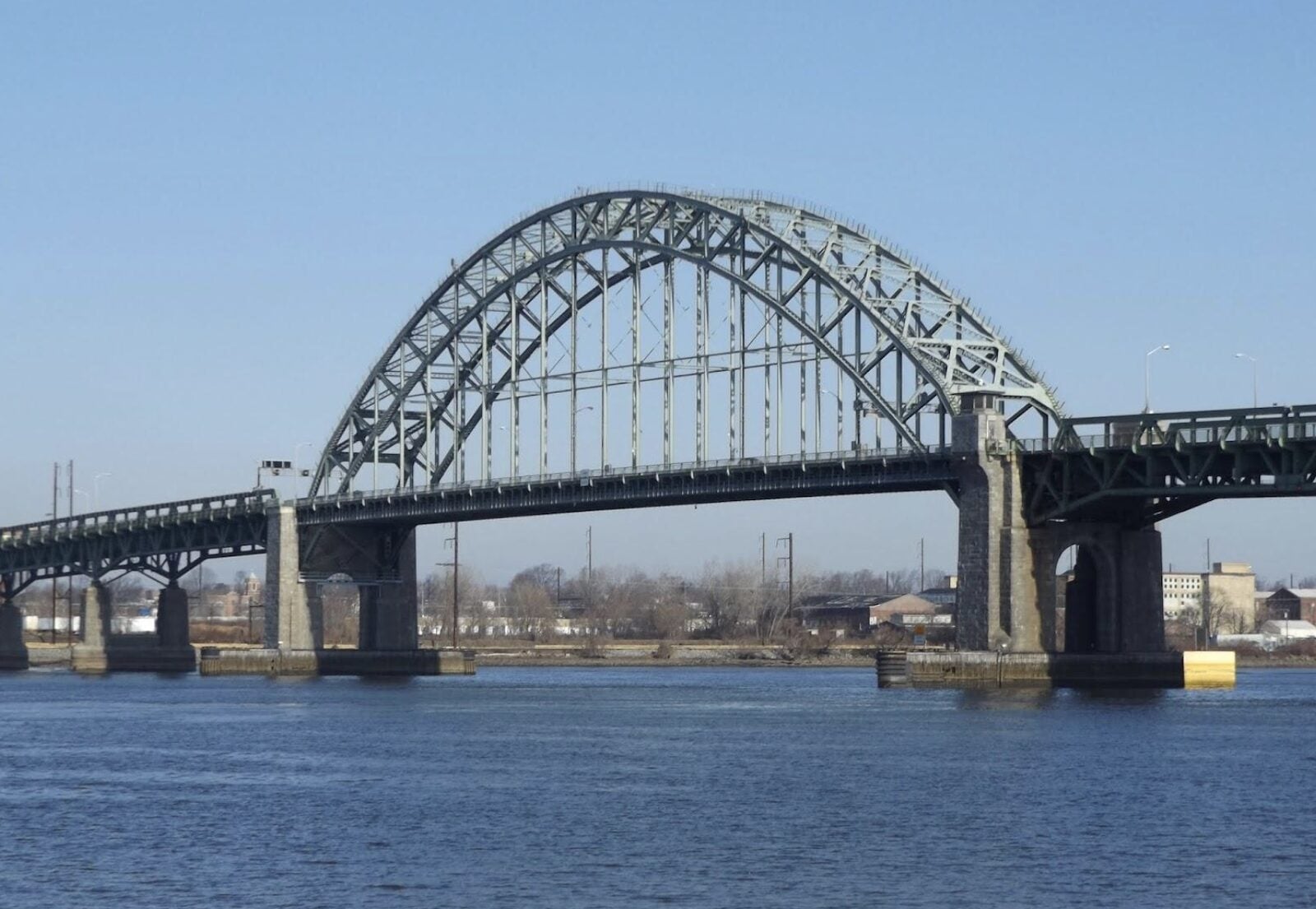
A Singapore-flagged bulk carrier struck the Tacony-Palmyra Bridge on the Delaware River Thursday afternoon, leaving the movable span temporarily unable to close and prompting a U.S. Coast Guard inspection of...
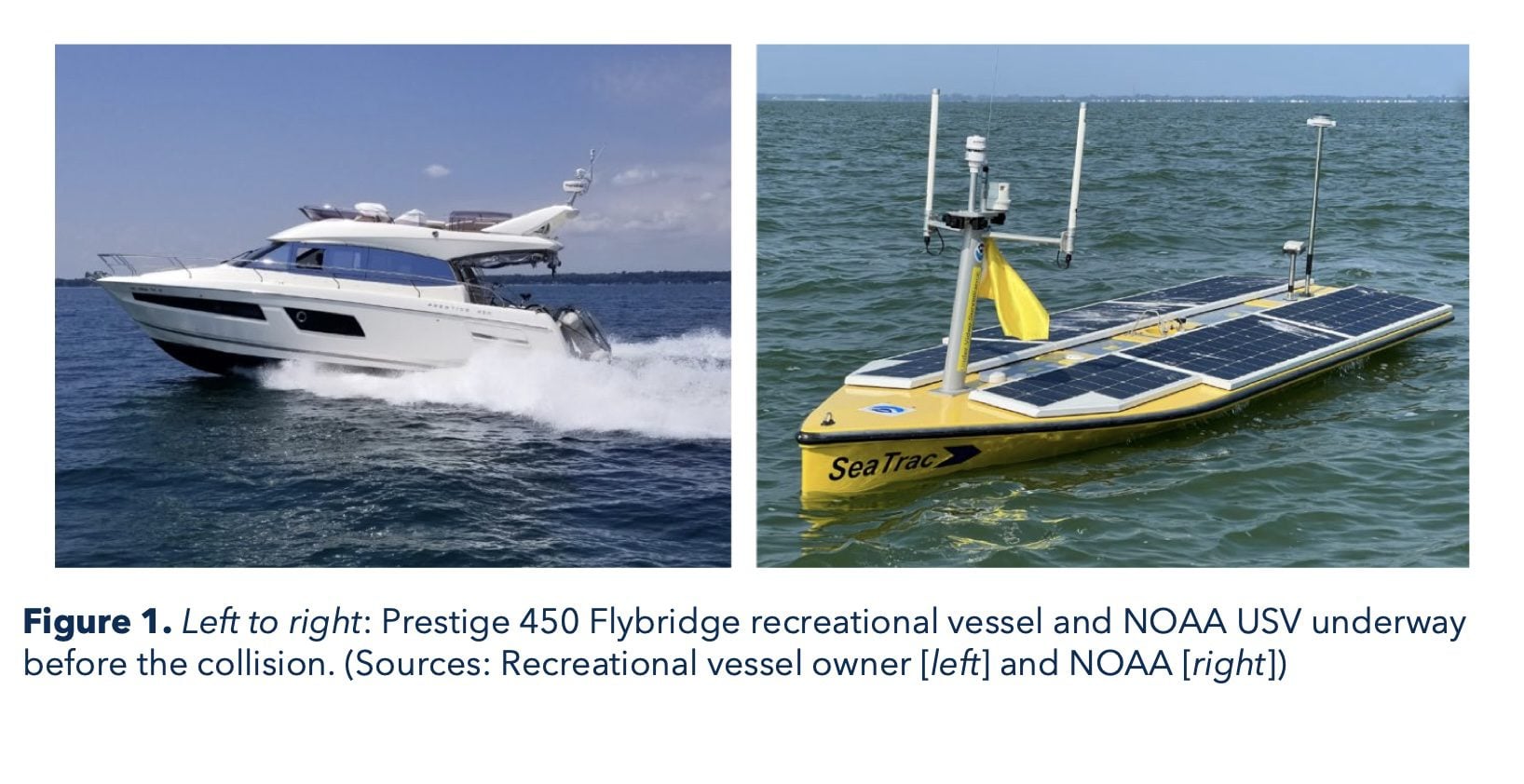
Investigation finds NOAA research vessel was difficult to detect and lacked proper monitoring, exposing gaps in U.S. maritime safety regulations. The National Transportation Safety Board (NTSB) is calling on the...
October 27, 2026
Total Views: 5807
Get The Industry’s Go-To News
Subscribe to gCaptain Daily and stay informed with the latest global maritime and offshore news
— just like 106,065 professionals
Secure Your Spot
on the gCaptain Crew
Stay informed with the latest maritime and offshore news, delivered daily straight to your inbox
— trusted by our 106,065 members
Your Gateway to the Maritime World!
Essential news coupled with the finest maritime content sourced from across the globe.

 Join The Club