By Stine Jacobsen
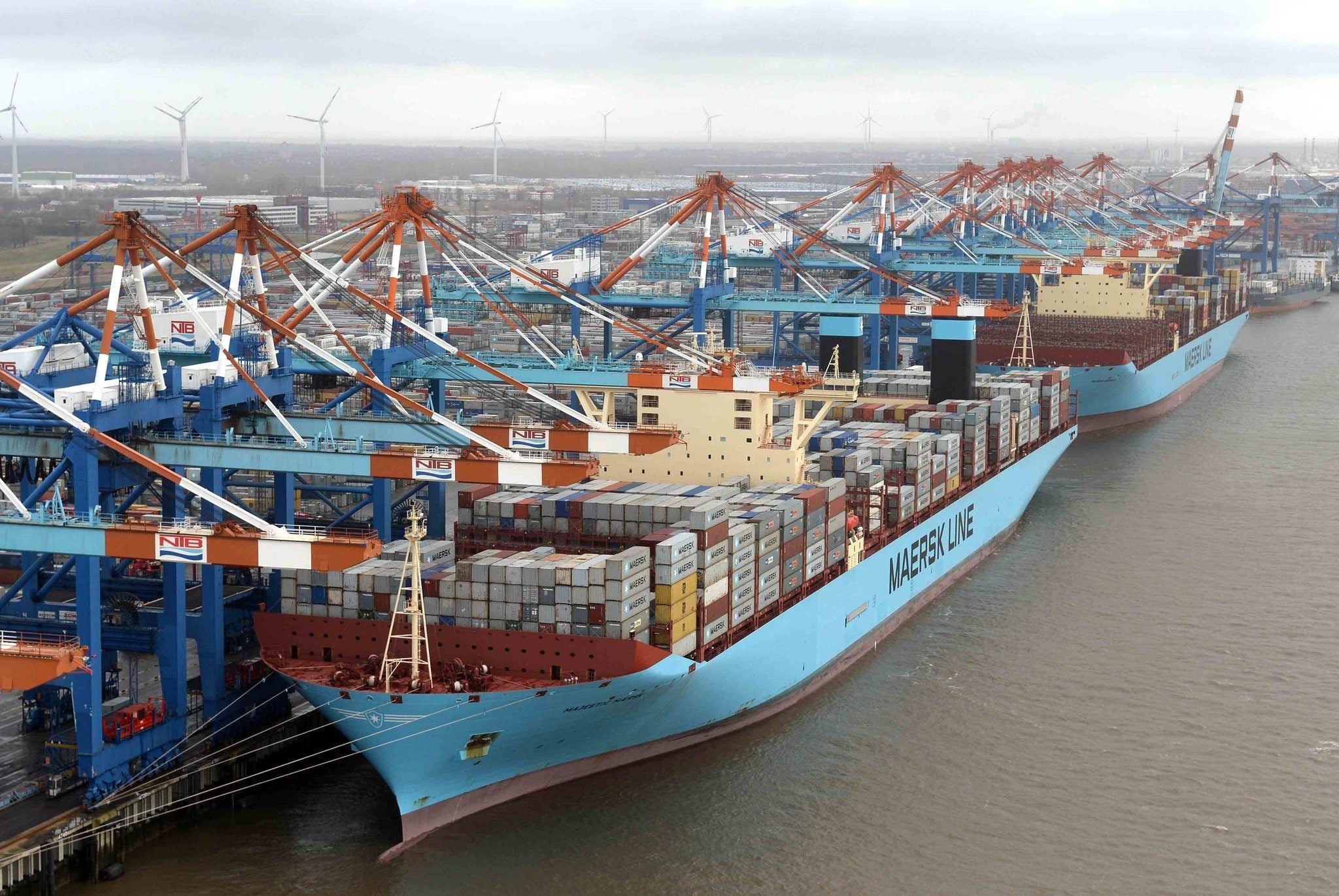
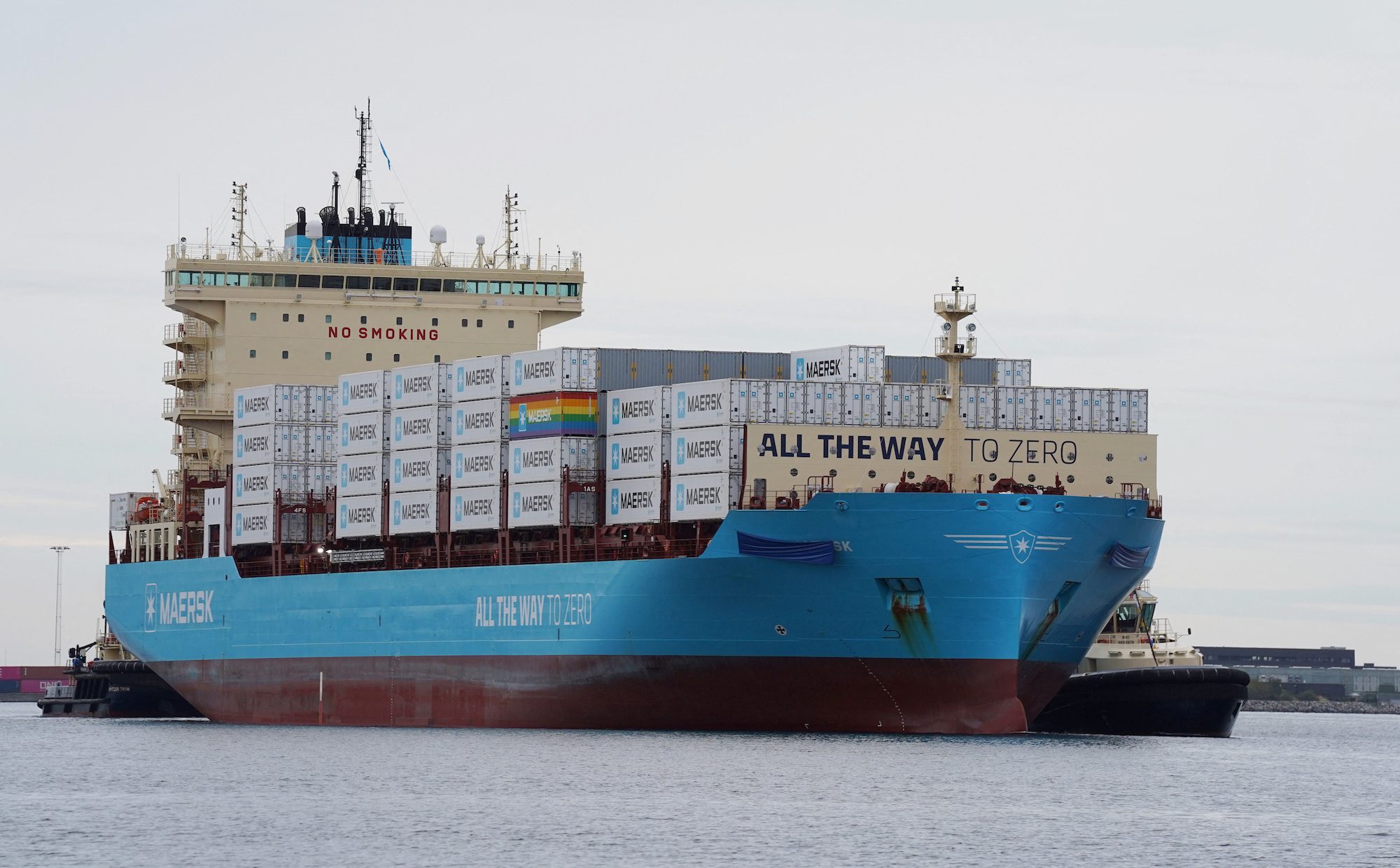
COPENHAGEN, Aug 13 (Reuters) – Danish shipping group Maersk MAERSKb.CO on Thursday smashed profit forecasts and raised its full-year earnings guidance for a second time this year as the Middle East conflict, port congestion and strong demand pushed freight rates higher.
Maersk, a bellwether for global trade given its position as the world’s second-largest container shipper, said the global container market remained on track for around 4% growth this year despite geopolitical turmoil.
Shares in the company, whose customers include Walmart, Target and Nike, rose 8% at market open.
“Maersk has benefited from sharply rising freight rates, trade disruptions and export growth out of China, while at the same time the company has been able to pass on higher fuel costs to customers,” Jyske Bank analyst Haider Anjum said in a research note.
Maersk’s second-quarter profit before interest, taxes, depreciation and amortization stood at $3.0 billion, well above a median forecast of $2.12 billion in a company-provided poll and up from $2.30 billion a year ago.
MAERSK LIFTS 2026 OUTLOOK AGAIN
The company now expects underlying EBITDA of between $10.5 billion and $12.5 billion this year, up from a previous $8 billion to $10 billion, and underlying operating profit between $4.5 billion and $6.5 billion, up from a previous $2 billion to $4 billion.
Global container trade demand exceeded expectations in the second quarter as growth elsewhere more than offset a 40% contraction in Middle East imports, with Chinese exports the main engine.
“This strength may extend into the third quarter of 2026, as exports from China show no signs of abating. However, the unresolved conflict in the Middle East continues to warrant caution,” Maersk said.
German rival Hapag-Lloyd HLAG.DE also recently raised its outlook for the financial year, citing strong market demand and positive freight rate developments.
COSTS AND DISRUPTION
Middle East disruption pushed Maersk’s Ocean division operating costs up 19%, with the average bunker price rising 44% year-on-year, though the company said it offset the impact through optimized fuel consumption and commercial measures.
Some analysts have cautioned the recent strength in the freight market is a short-term tailwind masking bigger risks ahead, and that any normalization of Red Sea traffic would put significant downward pressure on freight rates.
The Asia-Europe trade corridor through the Suez Canal was abandoned by most shippers after Houthi attacks in the Red Sea, though Maersk and Hapag-Lloyd have in recent months announced a gradual return.
(Reporting by Stine Jacobsen; Editing by Terje Solsvik and Jan Harvey)
(c) Copyright Thomson Reuters 2026.

 Join The Club