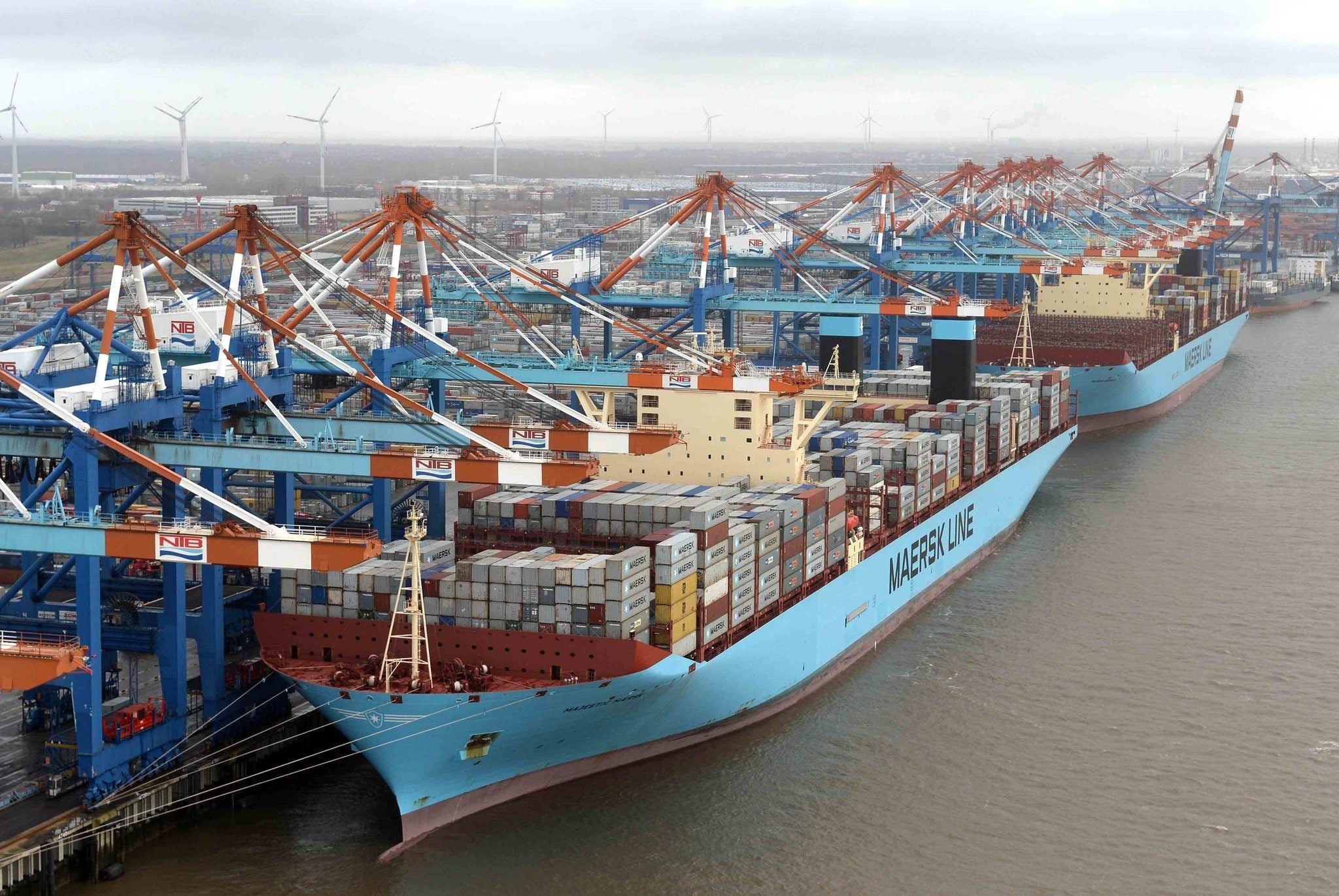
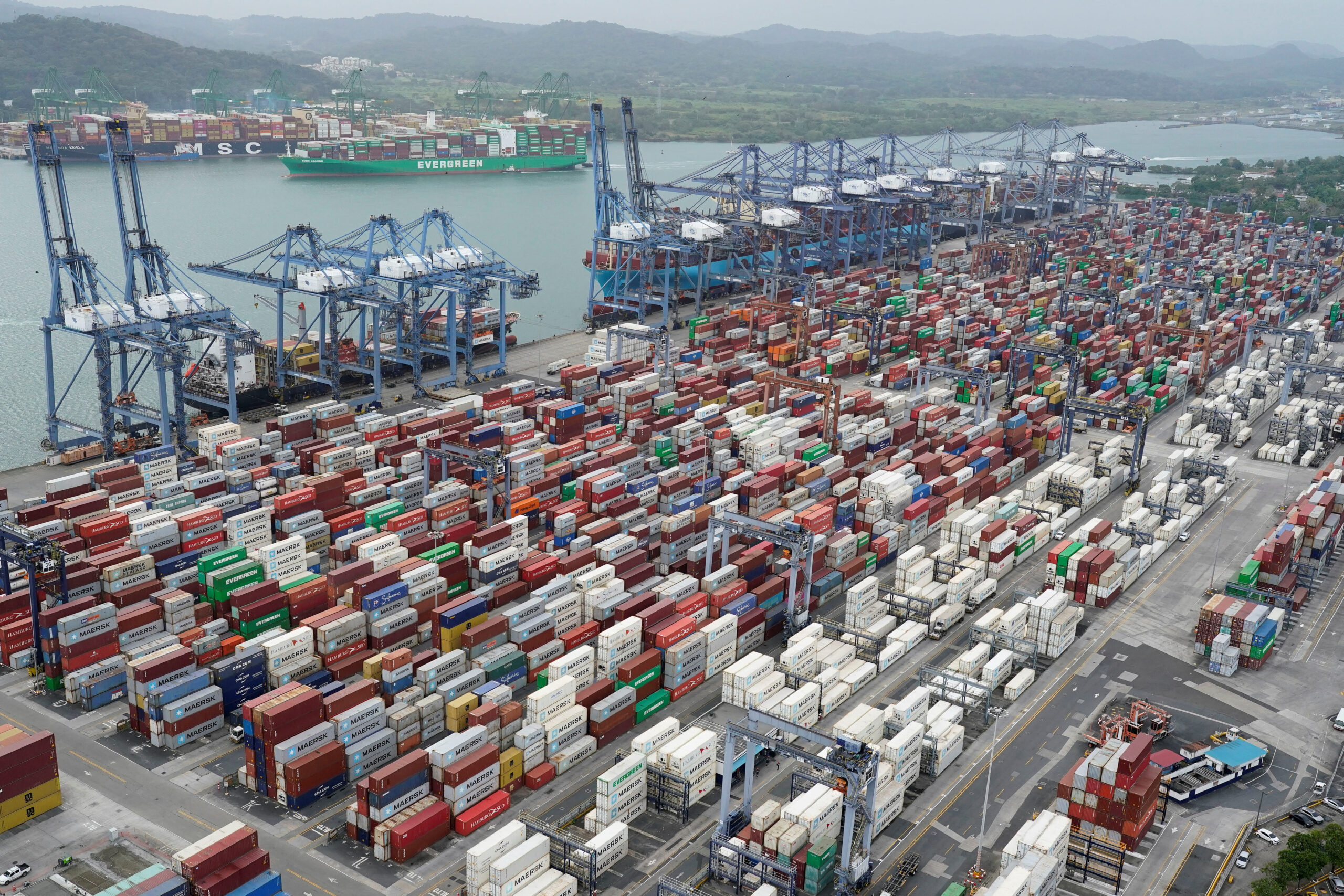
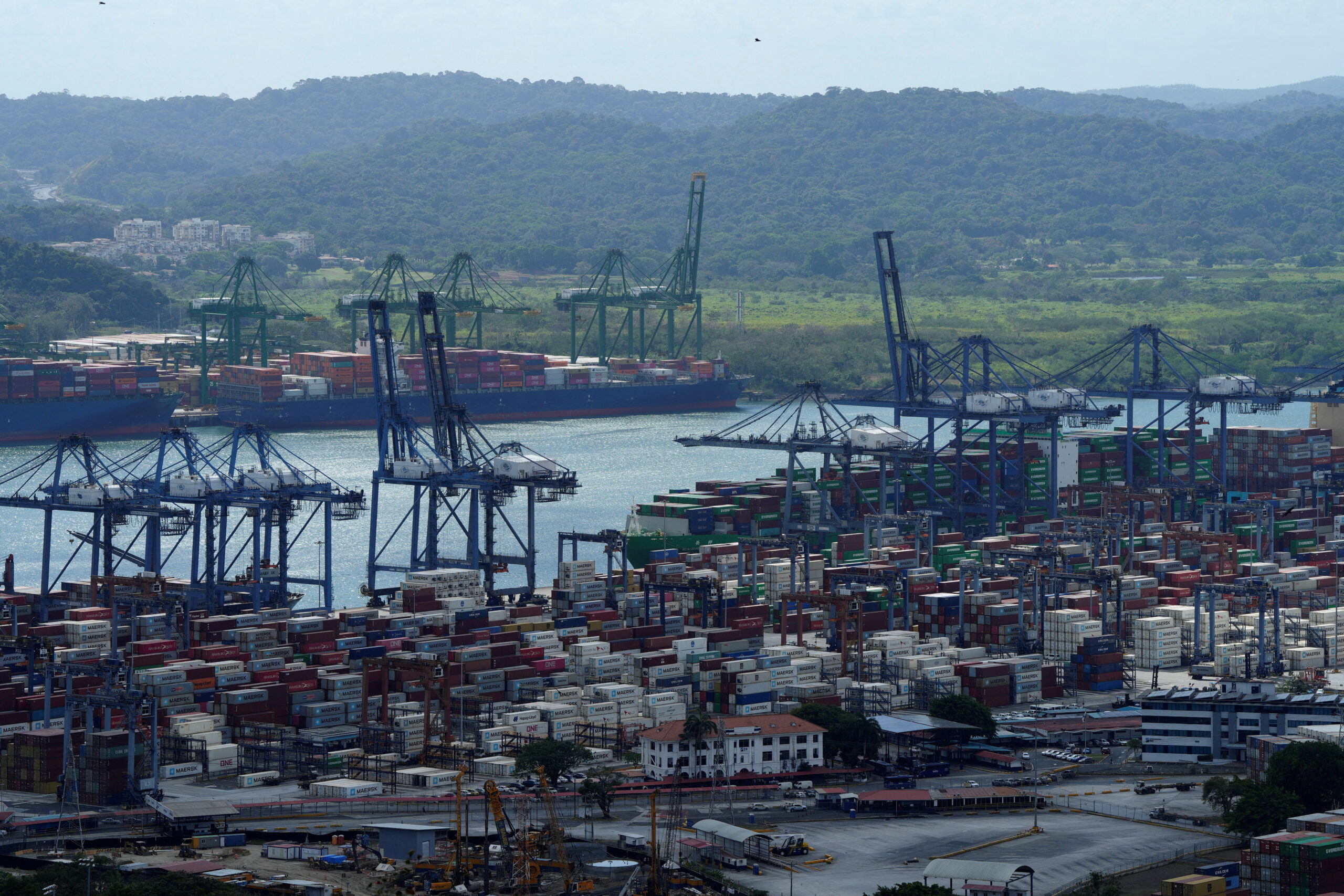
APM Terminals and Germany’s Eurogate are in advanced talks on a long-term partnership that would see up to €1 billion invested in modernizing Bremerhaven’s North Sea Terminal (NTB)—with ambitions to turn it into Europe’s first zero-emission container hub.
The plan would transform one of Germany’s most strategic container terminals into a fully electrified, renewables-powered facility while boosting annual capacity from 3 million to 4 million TEU. If completed, NTB would operate with net-zero greenhouse gas emissions, a first for a major German container terminal.
“Bremerhaven has unique potential to grow as a strategic hub in the region and to support cargo flows into Germany as well as our ocean network,” said Vincent Clerc, CEO of A.P. Moller – Maersk. He said the investment would position NTB among the most competitive terminals in Europe’s North Range while strengthening supply-chain resilience for the German economy.
The proposed deal builds on more than 25 years of cooperation between Maersk and Eurogate at Bremerhaven. Eurogate Group CEO Michael Blach said the modernization would equip the terminal with state-of-the-art technology, decarbonize operations, and secure high-value jobs in the region over the long term.
Political backing is already lining up. Andreas Bovenschulte, Mayor of Bremen, called the project “impressive proof” of the port’s competitiveness, adding that the investment—combined with state and federal infrastructure funding—would strengthen Bremerhaven’s role in the North Range port network.
One major caveat remains: access. Unlocking the terminal’s full potential depends on the planned deepening of the Outer Weser River, a long-running infrastructure project seen as critical for handling larger container vessels. Planning is currently underway at the government level.
The investment package is still subject to internal approvals and regulatory sign-off, but if finalized, it would mark one of the most ambitious terminal decarbonization projects in Europe—and a clear signal of where Maersk sees its future port strategy heading.
Editorial Standards · Corrections · About gCaptain

 Join The Club