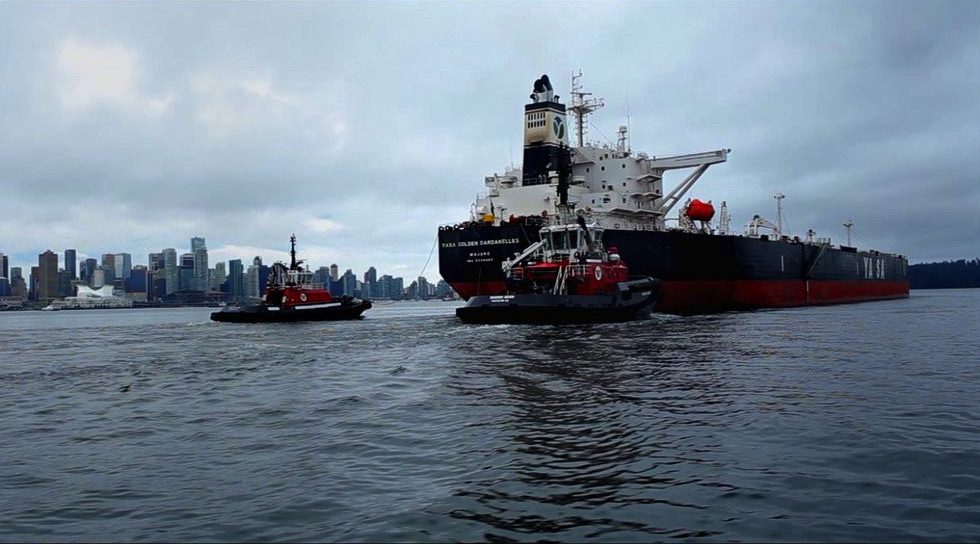
Photo: Trans Mountain
By Natalie Obiko Pearson (Bloomberg) — Kinder Morgan Inc. has committed to expanding a pipeline that will allow Canadian crude to be exported to Asia, a controversial C$7.4 billion ($5.5 billion) project that’s set to face revitalized opposition amid political upheaval in the nation’s Pacific Coast province.
The Houston-based company announced its final investment decision for the Trans Mountain expansion project Thursday, saying it expects to secure enough financing from an initial public offering of its Canadian subsidiary to proceed with the project. It expects to raise C$1.75 billion from the IPO by May 31, according to a statement.
The project will nearly triple Trans Mountain’s capacity, giving producers from Alberta’s oil sands access to Pacific shipping routes from the coast of British Columbia. Currently, almost all of Canada’s oil is exported to the U.S. With the expanded line, Canada can export to Asian refineries capable of processing its heavy crude and pay higher margins than those in the U.S.
The development will be “a game changer for global heavy oil flows,” Wood Mackenzie said in November when Canadian Prime Minister Justin Trudeau approved the project amid strident environmental opposition.
“Our approvals are in hand, and we are now ready to commence construction activities this fall,” Ian Anderson, president of Kinder Morgan Canada Ltd., said in the statement.
Environmental Opposition
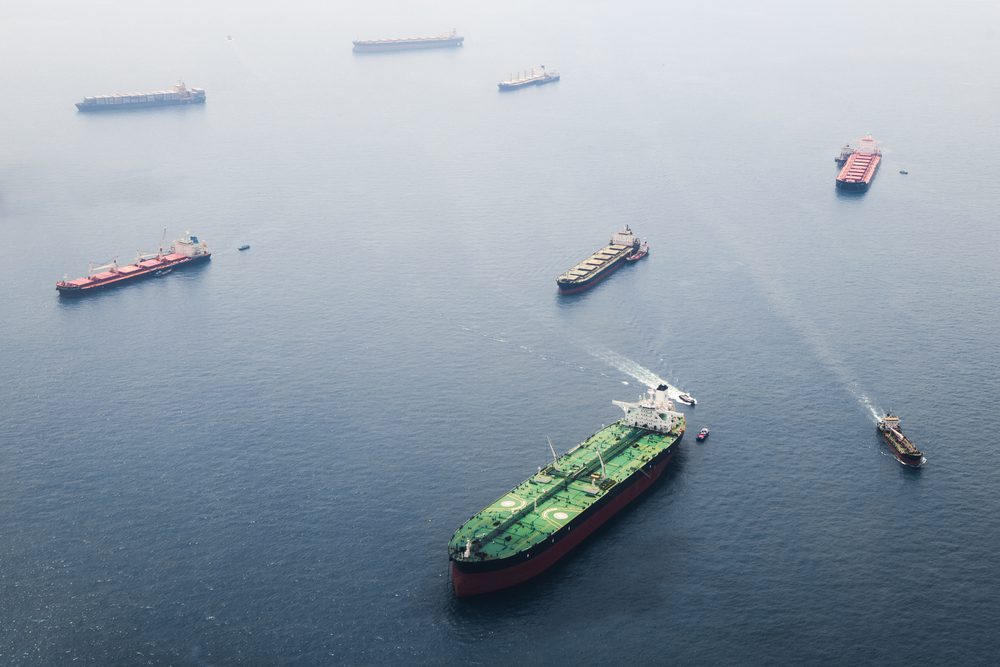
Those plans are likely to face a galvanized opposition in British Columbia, where the pipeline terminates near Vancouver. Two political parties — the New Democratic Party and Green Party — expanded their support in an election there earlier this month. Both are staunchly opposed to the project, which they say would increase tanker traffic and the risk of a catastrophic oil spill. Together they could muster a majority of lawmakers to overwhelm the more energy-friendly Liberal Party.
The expansion will add 590,000 barrels a day of capacity for a total of 890,000. About 80 percent of that is underpinned by long-term shipping commitments of up to 20 years. Construction is set to start in September and complete in December 2019, according to the statement.
“The political climate was not ideal,” the statement said. “The process proceeded at this time because the Trans Mountain Expansion Project financing contingency period, as specified in shipper agreements, concludes at the end of May.”
© 2017 Bloomberg L.P

 Join The Club