The cost of shipping crude oil from the Middle East Gulf to Asia has surged to more than $37 per barrel, over five times prewar levels, as an increasingly complex shipping network keeps oil flowing despite escalating Iranian attacks in the Strait of Hormuz, according to the International Energy Agency.
The extraordinary increase comes as Persian Gulf oil exports have actually surpassed prewar levels, highlighting the steep price of maintaining energy flows through one of the world’s most dangerous shipping corridors.
According to The Wall Street Journal, citing vessel-tracking data from Kpler, Middle East oil shipments averaged more than 24 million barrels per day in the week ending October 18, exceeding the prewar average of 23.3 million barrels per day.
The recovery has been made possible by an improvised transportation system operating under U.S. military protection, including expanded pipeline exports, short-haul tanker shuttles through Hormuz and offshore ship-to-ship transfers in the Gulf of Oman.
But the system is expensive, inefficient and dangerous.
In a separate analysis published Wednesday, the IEA said tanker rates reached historic highs in September and continued climbing into October, with the cost of transporting crude from the Middle East Gulf to Asia exceeding $37 per barrel by mid-month.
For a typical very large crude carrier (VLCC) carrying 2 million barrels, that translates to more than $74 million in freight costs for a single cargo, compared with less than $15 million before the conflict.
The surge reflects a fundamental shift in how oil moves out of the Gulf.
Before the war, approximately 17% of the region’s crude exports bypassed Hormuz. By September, that share had climbed to 40%, according to Kpler, as Saudi Arabia and the United Arab Emirates expanded the use of pipelines to export terminals outside the strait.
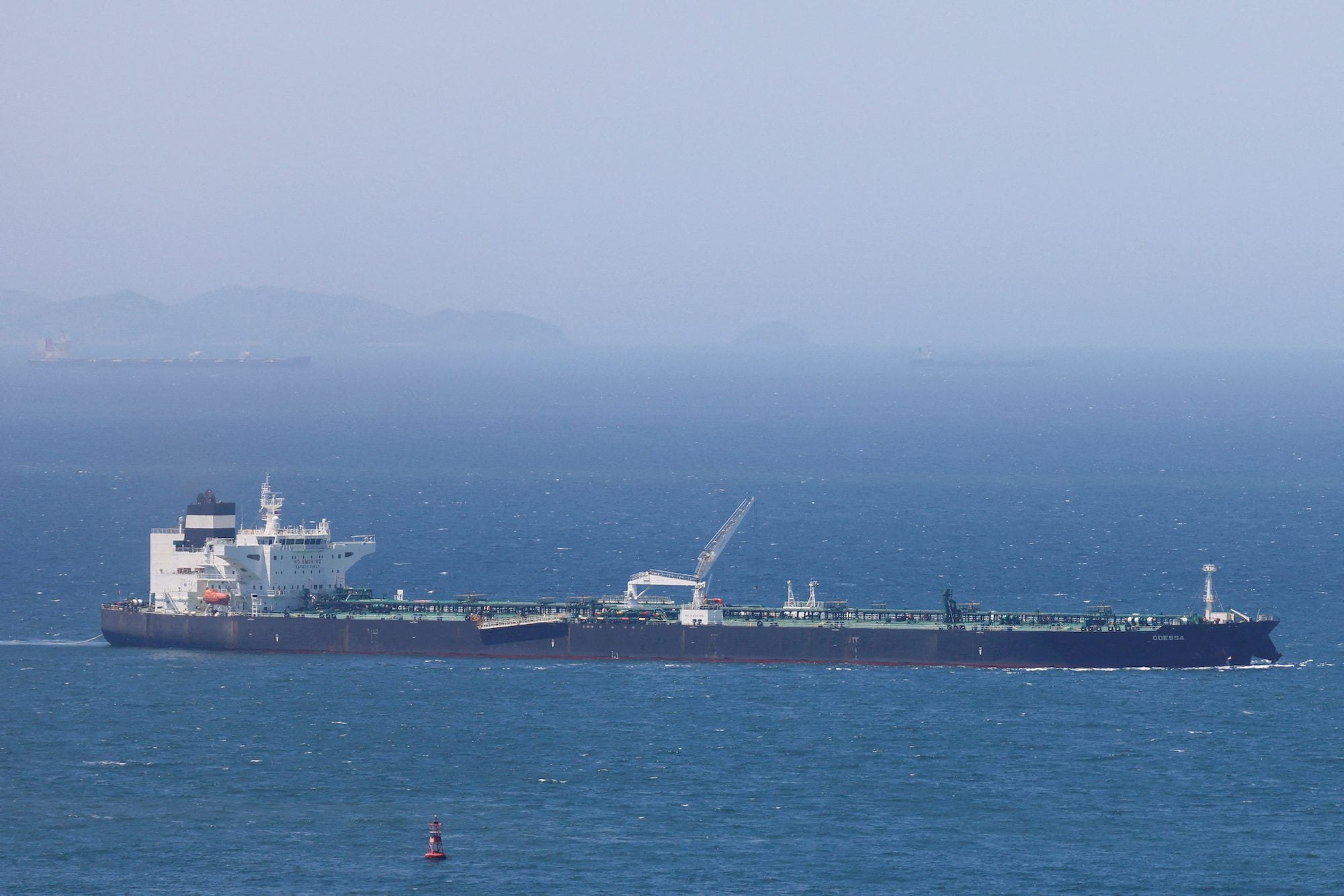
Meanwhile, tankers continue making dangerous runs through Hormuz, often traveling along a corridor near the Omani coast under American military protection before transferring their cargoes to other vessels for delivery to international markets.
Despite the recovery in overall exports, oil flows through Hormuz, including offshore transfers, remain at approximately 82% of prewar levels.
The shipping system has become increasingly resilient even as attacks intensify. The Wall Street Journal reported approximately 30 attacks on vessels so far in October, citing maritime security reports.
Those risks have brought extraordinary financial incentives. Kpler estimates that traders can earn an additional $20 per barrel reselling Iraqi crude compared with before the war, while some seafarers are being offered substantial hazard bonuses to make the crossings.
The result is a market in which oil is moving in greater volumes, but at a significantly higher cost to the companies transporting, refining and ultimately consuming it.

 Join The Club