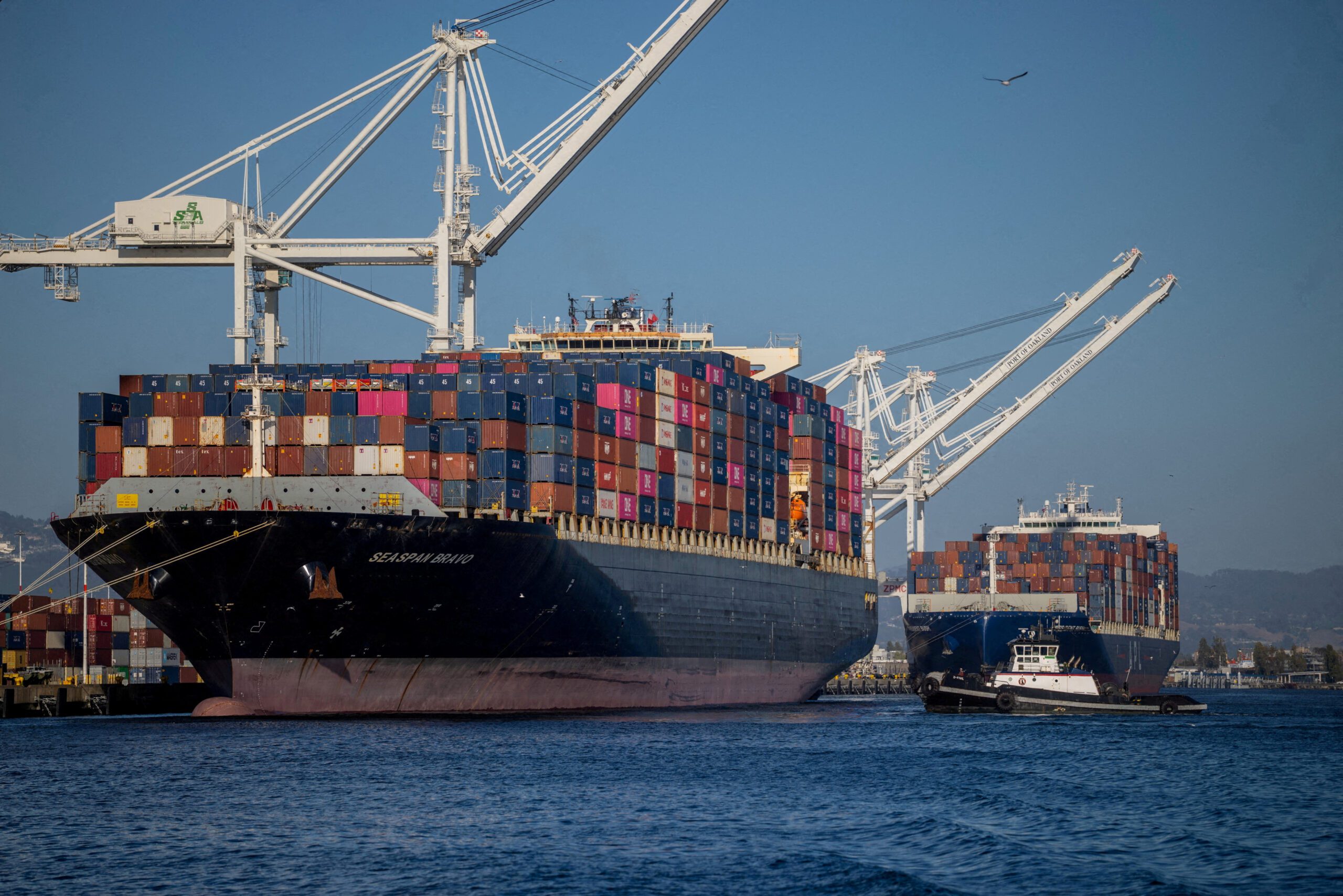
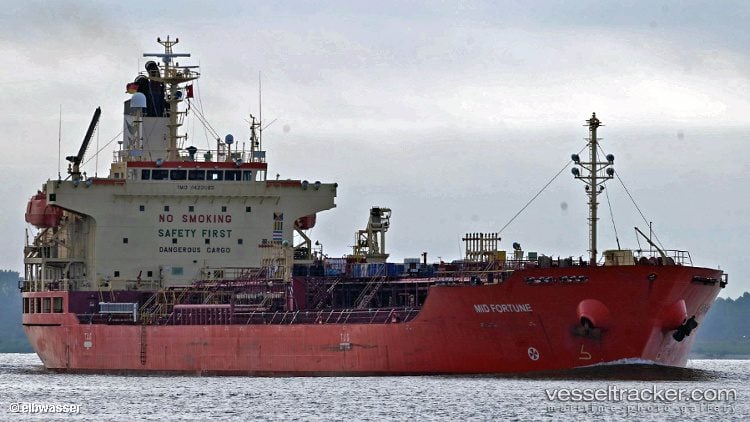
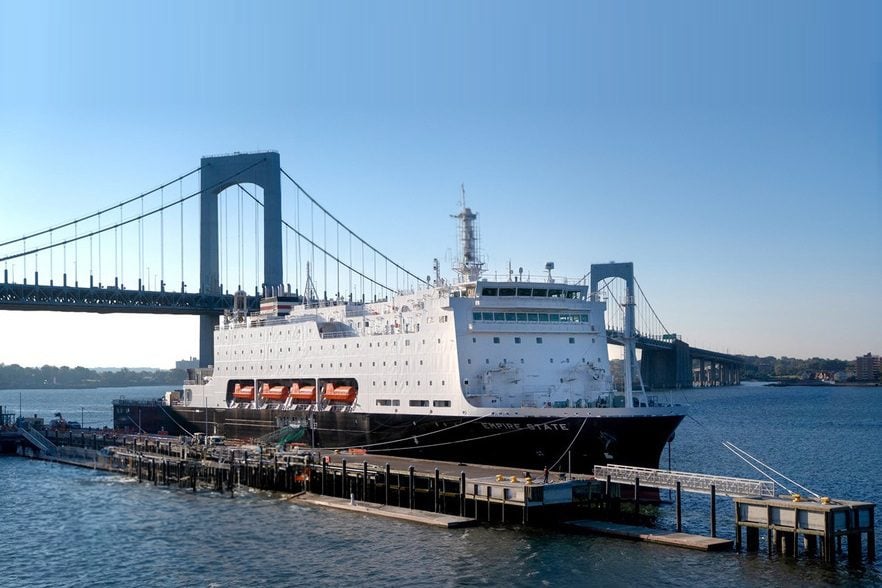
Foreign-flagged tankers moved more than $40 million worth of petroleum products between U.S. ports without appearing in the federal government’s public Jones Act waiver reports, according to a Bloomberg Government analysis that raises new questions about the completeness of the official record.
Bloomberg reported Thursday that at least a dozen vessels tied to owners in China and other countries carried cargo from the Gulf Coast to the East and West coasts and Puerto Rico without providing required voyage disclosures to the U.S. Maritime Administration. MARAD confirmed the activity to Bloomberg.
The missing reports matter because MARAD’s public disclosures have become the primary record of how extensively foreign vessels have been used in domestic U.S. trades since the emergency waiver was issued in March.
Federal law requires the owner or operator of a vessel operating under a waiver — along with the party requesting the waiver, when different — to report the completed voyage to MARAD within 10 days. The filing must include the vessel and operator, voyage dates, ports, cargo and an explanation of why the movement was in the national defense interest. MARAD is required to publish the report within 48 hours of receiving it.
“It’s outrageous that foreign operators are not reporting their movements under the waiver,” said Jennifer Carpenter, President of the American Maritime Partnership. “Reporting is specifically required by law, which was emphasized in the U.S. Customs and Border Protection notice of the waiver.”
MARAD told Bloomberg it does not have the legal authority to compel companies to comply with the reporting requirement. U.S. Customs and Border Protection is responsible for Jones Act enforcement and can impose penalties for violations. CBP declined to comment to Bloomberg on the unreported voyages. MARAD’s own website directs potential Jones Act violations to CBP’s Jones Act Division of Enforcement.
Bloomberg identified the missing movements by comparing reports submitted to the National Ballast Information Clearinghouse with vessel port calls and cargo information from AIS, Vortexa and IHS Maritime and Trade data. None of the voyages it identified appeared in MARAD’s regular public waiver reports.
“MARAD is our only connection to what is happening out there,” Seafarers International Union President David Heindel told Bloomberg. “If they’re not getting it, it’s troubling.”
The finding adds an important caveat to MARAD’s rapidly growing tally of completed waiver movements.
A gCaptain review of MARAD’s latest spreadsheet, dated Sept. 16, counted 255 completed movements associated with the original March 17 waiver and its May 18 extension. That is up from 220 movements in the dataset when gCaptain reviewed it on Aug. 14. The filings cover crude oil, gasoline, diesel, jet fuel, renewable fuels, ethanol, ammonia and other cargoes.
Bloomberg’s findings indicate even that expanded total is not necessarily a complete accounting of foreign-vessel activity under the waiver.
The issue comes as the administration has substantially tightened the waiver process.
A second 90-day extension took effect Aug. 17 and runs through Nov. 15. Unlike the earlier broad waiver, companies now must submit a Vessel Availability Request before using a foreign ship. MARAD then surveys the domestic market to determine whether a coastwise-qualified vessel is available, with the Department of War deciding whether the foreign-vessel movement can proceed.
Public reporting under the new system has so far been limited. MARAD has published four report updates covering the Aug. 17 extension, and its Sept. 16 spreadsheet lists just three completed movements: two propane cargoes ultimately carried to Puerto Rico and a shipment of Eagle Ford crude from Corpus Christi, Texas, to Chester, Pennsylvania.
Those figures now need to be viewed cautiously. Bloomberg’s analysis shows that the number of voyages appearing in MARAD’s public database cannot necessarily be treated as the total number actually conducted under the waiver.
The latest MARAD filings also show that reporting can arrive after the statutory deadline. The Navigator Genesis, which carried 132,000 barrels of propane to San Juan, is listed in MARAD’s Sept. 16 spreadsheet with a report due date of Sept. 10 and a reported date of Sept. 14. The new report format also asks for substantially more information about vessel ownership, charterers, managers and controlling companies, although several fields in the latest filings remain listed as “Pending Response.”
Critics of the waiver argue that allowing foreign tonnage into domestic trades puts U.S.-flag operators at a disadvantage. Aaron Smith, president and CEO of the Offshore Marine Service Association, told Bloomberg that the previously uncounted voyages show the level of foreign competition was greater than MARAD’s figures suggested.
“It’s time for the Administration to end the waiver, and it’s also time for Congress to conduct vigorous oversight of the waiver process,” Carpenter said.
Supporters of the waiver reached the opposite conclusion. Colin Grabow of the Cato Institute, who opposes the Jones Act and helped identify some of the missing voyages, told Bloomberg that the additional movements show the waiver enabled more domestic energy shipments than the government data had previously indicated.
The Jones Act generally reserves cargo movements between U.S. points for coastwise-qualified vessels that meet U.S. ownership, construction and documentation requirements. The current waiver was issued under national defense authority amid disruptions to energy markets and shipping caused by the conflict in the Middle East.
The Bloomberg findings also highlight a gap in MARAD’s reporting system. Companies are required to disclose completed waiver voyages, but MARAD says it has no power to make them comply. That means the agency’s public reports remain the best available record of foreign-flag movements under the waiver, even though they may not tell the whole story.

 Join The Club