By Bob Dudley, Group Chief Executive, BP p.l.c.
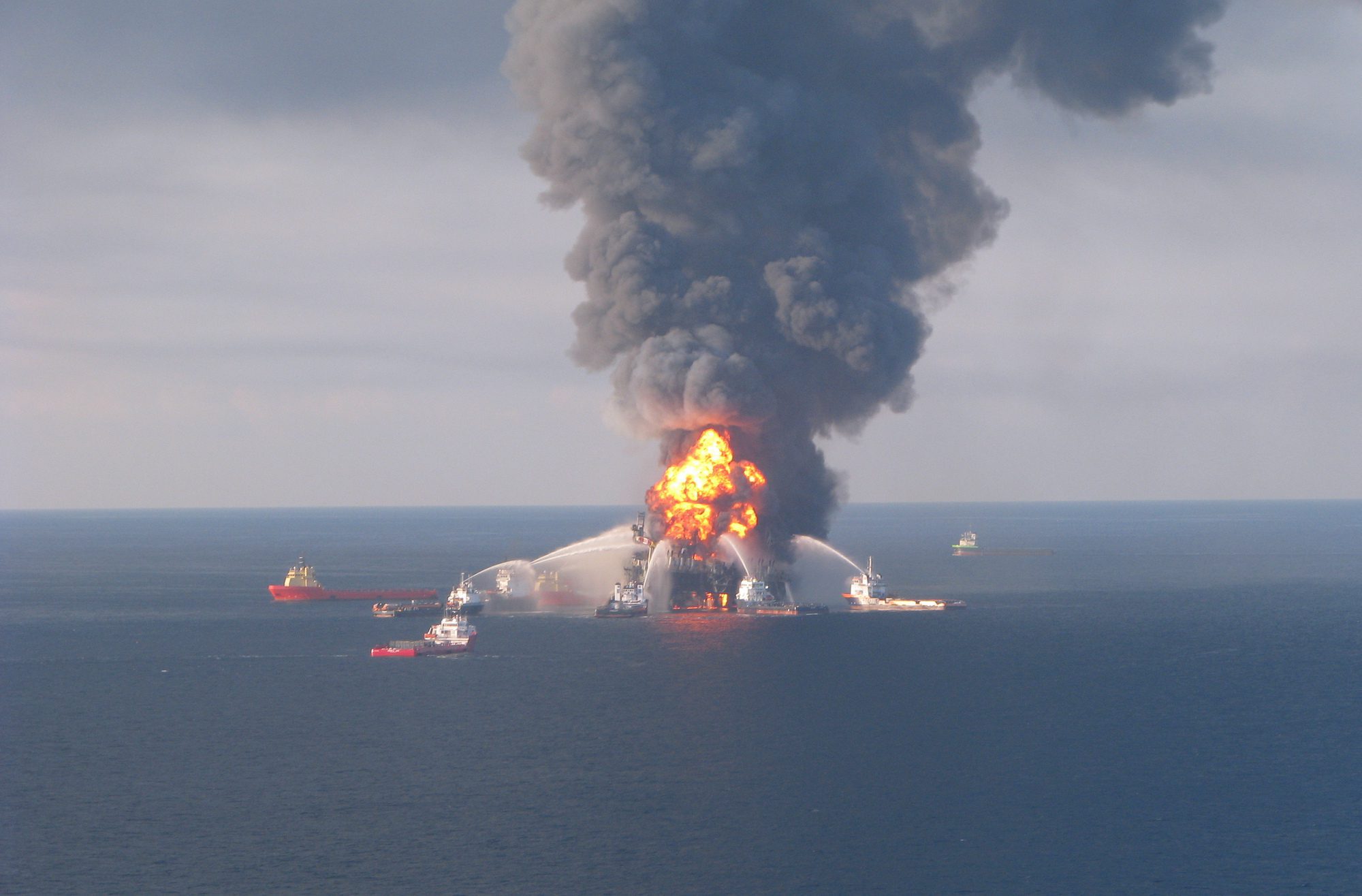
A year ago [Wednesday, April 20], the Deepwater Horizon drilling rig exploded, killing 11 men and causing the largest offshore oil spill in U.S. history. At BP we regret that the accident happened and the impact it has had on the environment of the Gulf Coast and people living there.
From the start, we committed to pay all legitimate claims and work to restore the damage caused by the oil spill. We pledged to cooperate fully with all investigations into the cause of the accident. Finally, we said we would work to embed the lessons learned into the fabric of our organization and share those lessons with our industry colleagues and government regulators.
One year on, where do we stand with regard to those commitments?
First, we are paying claims. BP set aside $20 billion in a fund to compensate individuals, businesses and governments that were impacted, as well as for natural resource damages. So far, more than $5 billion in claims and other payments has been paid out of that fund.
In cooperation with federal and state government scientists, we’re conducting a thorough assessment of the spill’s environmental impact.
We’ve created a $500 million fund to support further scientific research on the spill’s long-term impact. And we’re supporting efforts by the region’s governors to restore key industries, such as tourism and seafood.
But we know that we must do more than make good on the economic losses from the spill. BP has to change as well. The steps we have taken so far include:
- Creating a central safety and operational-risk organization reporting directly to me. This organization has the mandate and resources to drive safe, reliable operations that comply with regulations, and it has the authority to intervene in our operations anywhere in the world. We are also linking the management of employees’ performance and reward directly to safety and to compliance with BP’s standards.
- We will not use rigs on our projects that do not conform to our standards. We have either turned away rigs or are negotiating for modifications to particular rigs that will bring them up to our standards.
In the last few months, we have shut down several platforms to request modifications consistent with BP’s standards. One of these was our Holstein platform in the Gulf of Mexico, which was shut down after we discovered incorrect specifications for some bolts.
BP engineers and technicians have traveled to Russia, Angola, Australia, Brazil and elsewhere to share what we’ve learned about the accident with government policy makers, regulators, academics, industry partners and the general public.
- We have also asked recently retired Adm. Frank “Skip” Bowman to join our board of directors. A former head of the U.S. nuclear navy, he has spent his entire career dealing with safety-related issues in a sector admired for its safety record.
Changing BP alone, however, is not enough. There are lessons from Deepwater Horizon for the entire industry. As the commission appointed by President [Barack] Obama to investigate the accident concluded, “Deepwater energy exploration and production, particularly at the frontiers of experience, involve risks for which neither industry nor government has been adequately prepared, but for which they can and must be prepared in the future.”
In conjunction with the other major oil and gas companies that operate in the U.S., BP has joined the Marine Well Containment Corporation, a specially created entity designed to maintain preparedness for any future spills in the Gulf of Mexico. We’ve donated specialized equipment developed during last summer’s containment effort, so that all of industry is better prepared.
Looking ahead, it is important to keep in mind that the global demand for energy will rise inexorably in coming decades–nearly 40% by 2030, according to BP estimates. That’s roughly twice the current energy consumption of the entire U.S. Even as energy companies develop alternatives, the world will still need a large volume of oil.
Given the maturity of many existing fields, much of that oil will need to come from newer sources, such as the deep water. Right now, around 7% of the world’s oil supplies are coming from the deep water, a total we expect will rise to nearly 10% by the end of this decade. That means we must have better safety technology, more effective equipment and the capability to deal with a blowout in the deep water.
BP gets it. BP is changing. We are committed to working together with our industry colleagues and government regulators to ensure a safer, stronger energy future.
(c) 2011 Dow Jones & Company, Inc.
Editorial Standards · Corrections · About gCaptain

 Join The Club