DUBAI, Jan 15 (Reuters) – Abu Dhabi National Energy Co (TAQA) confirmed the shutdown of one of its platforms in the UK North Sea, after discovering oil within a platform leg, however there was no environmental spill, the company said in a statement on Tuesday.
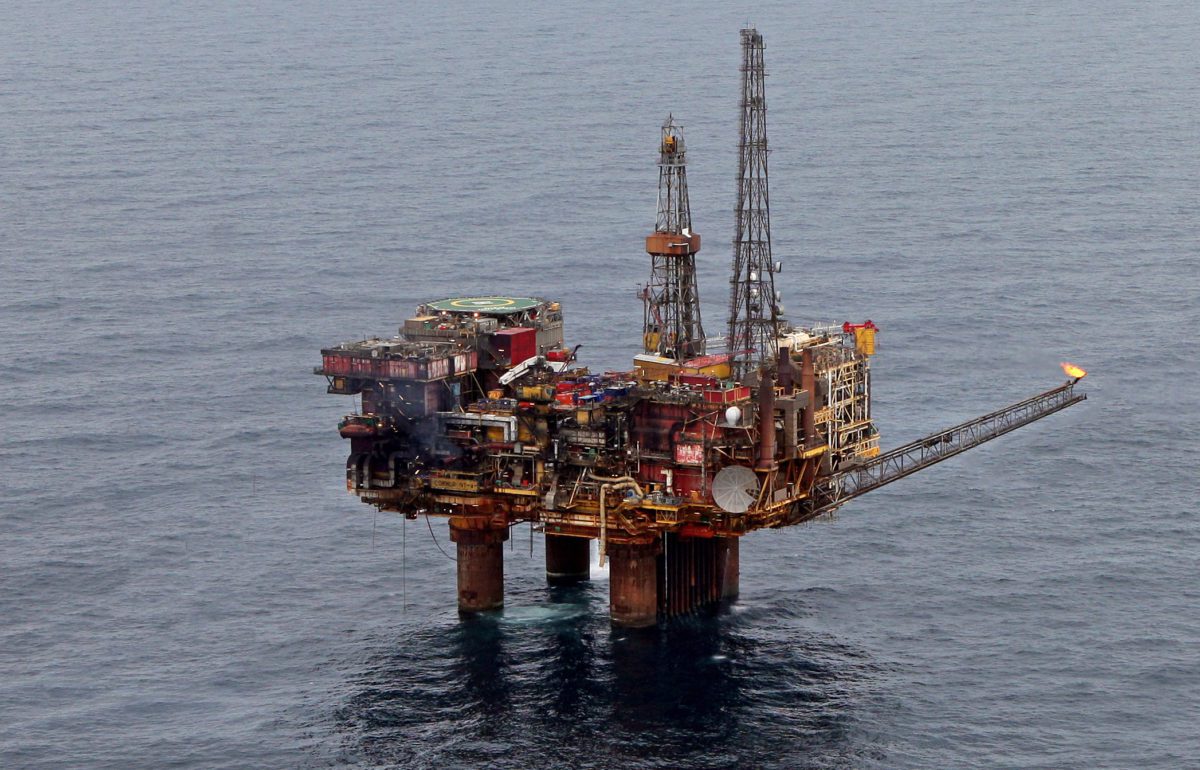
“TAQA can confirm that an indication of hydrocarbons was detected in one of the legs of the Cormorant Alpha platform in the northern UK North Sea on January 14,” said the statement on the company’s website.
Cormorant Alpha, Image courtesy TAQA
Cormorant Alpha handles approximately 90,000 barrels per day (bpd) of crude oil, of which 42,600 bpd are produced by TAQA.
“It was hydrocarbons, ie oil, found in one of the platform legs. There has not been any gas release,” a TAQA spokeswoman in the UK told Reuters.
As a precautionary measure the platform and all the pipeline infrastructure have been shut down, the statement said adding that there was no leak into the environment.
Around 160 people on board the platform and no incidents have been reported.
The installation is owned and operated by the UK arm of the Abu Dhabi National Energy Co, TAQA Bratani Ltd and is located 232 miles from Peterhead and 94 miles from Lerwick.
The Brent system is jointly owned by 21 companies. It consists of part of the processing systems and structure on the Cormorant Alpha platform, operated by TAQA, as well as a 150 km pipeline connecting Cormorant Alpha to the BP operated Sullom Voe Oil Terminal in the Shetland Islands. TAQA owns a 24 percent share of that terminal.
The Brent System is responsible for transporting oil from around 20 North Sea oilfields, accounting for about 37 percent of the Sullom Voe Terminal input and around 8 percent of British offshore oil production.
(Reporting by Amena Bakr and Daniel Fineren; editing by Keiron Henderson)
The world may need to find a way to get by on less oil and gas if the Strait of Hormuz remains closed much longer dueto the U.S.-Israeli war on Iran, Dallas Federal Reserve President Lorie Logan said on Wednesday.
The International Energy Agency says the ongoing Strait of Hormuz crisis is triggering one of the most severe oil market disruptions in modern history, with global oil demand now expected...
The United Arab Emirates said on Tuesday it was quitting OPEC, dealing a heavy blow to the oil producers' group as an unprecedented energy crisis triggered by the Iran war exposes discord among Gulf nations.
April 28, 2026
Total Views: 1340
Get The Industry’s Go-To News
Subscribe to gCaptain Daily and stay informed with the latest global maritime and offshore news
— just like 105,149 professionals
Secure Your Spot
on the gCaptain Crew
Stay informed with the latest maritime and offshore news, delivered daily straight to your inbox
— trusted by our 105,149 members
Your Gateway to the Maritime World!
Essential news coupled with the finest maritime content sourced from across the globe.

 Join The Club