By David Wethe and Sheela Tobben (Bloomberg) — Five days after Hurricane Ida slammed into Louisiana, the true damage to the region’s energy infrastructure is only now starting to come to light.
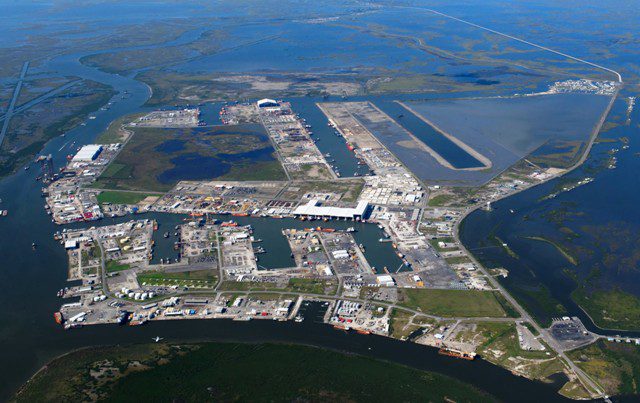
The challenges for companies to get out and inspect has been as much on land as at sea. Roads have not only been inundated with water, but trees and even oilfield equipment have blocked trucks from getting through to begin the cleanup. Fixed platforms and mobile rigs have been slow to get inspectors back into the U.S. Gulf of Mexico because the helicopter companies that take them have been tackling issues at their own facilities.
The U.S. Gulf remains in dislocation still. As of Thursday afternoon, four of the region’s 15 active floating drill rigs were away from the sites they were working at before the storm, according to the Bureau of Safety and Environmental Enforcement. Workers continue to be absent from six other type of less movable drilling rigs, according to BSEE. Almost a third of the 560 manned production platforms in the Gulf remain evacuated, the government regulator said.
“There has been severe damage to some of the airports, which could also be a factor for a slow return to the facilities,” Sandy Day, a BSEE spokesman, said in an email. “Production will not come back online until these assessments are done to ensure safe operations.”
Here is the latest emerging in and around the Gulf as companies begin closer inspections:
- BP Plc said its Louisiana onshore assets at Houma and Port Fourchon experienced the brunt of Ida’s inland force and will need repairs at both locations to fix the damage. The oil giant will temporarily relocate its shore base and heliport to other locations. The company’s midstream and downstream assets are in various stages of start-up and await facility inspections and power restoration.
- Noble Corp. disclosed further details of its Globetrotter II drillship late Thursday that include damage to the rig. Several riser joints and the lower marine riser package separated and sank. While efforts are underway to find and recover the lost gear, the Sugar Land, Texas-based rig contractor believes it can replace any missing or damaged equipment promptly if necessary.
- Royal Dutch Shell Plc said Thursday it observed damage to its West Delta-143 offshore facilities in an initial flyover of assets in Ida’s path. The oil giant will send personnel to closer inspect the facilities to determine the full extent of the damage when it’s safe to do so. The flyover didn’t show any visible structural damage to the rest of its offshore assets.
- Enterprise Offshore Drilling LLC said Thursday that its 205 rig that was safely secured in waters near the Gulf of Mexico and evacuated before Ida’s arrival escaped damage. Workers were able to check everything out on Wednesday and confirmed no environmental discharges. A statement from the closely held drilling contractor came in response to a news story about an oil slick in the waters near one of its rigs.
- Fertilizer producer Mosaic Co. said Thursday that wind damage to its Faustina and Uncle Sam facilities is expected to result in reduced phosphate output as repairs are done during the next eight to nine weeks.
© 2021 Bloomberg L.P.

 Join The Club