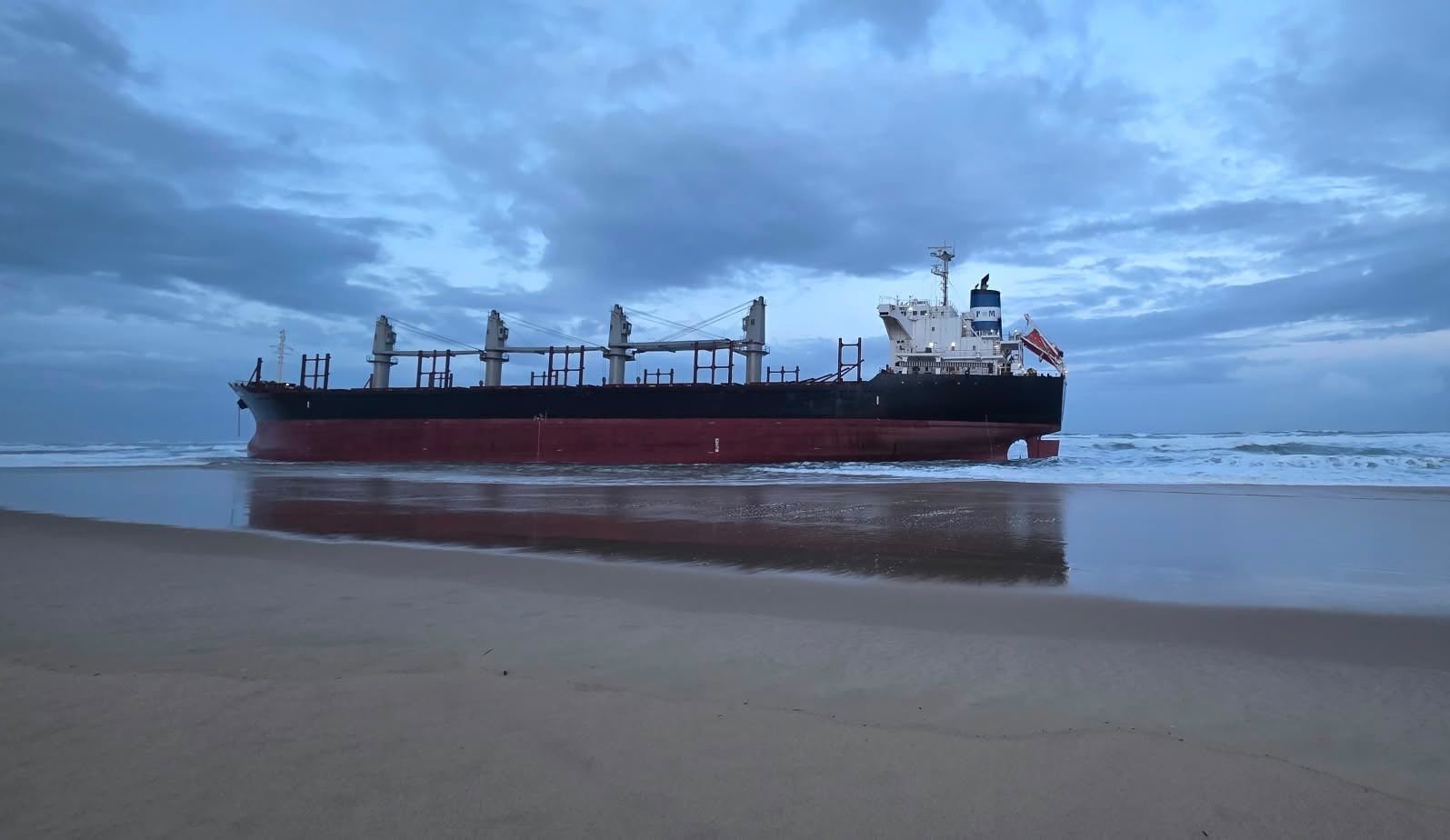
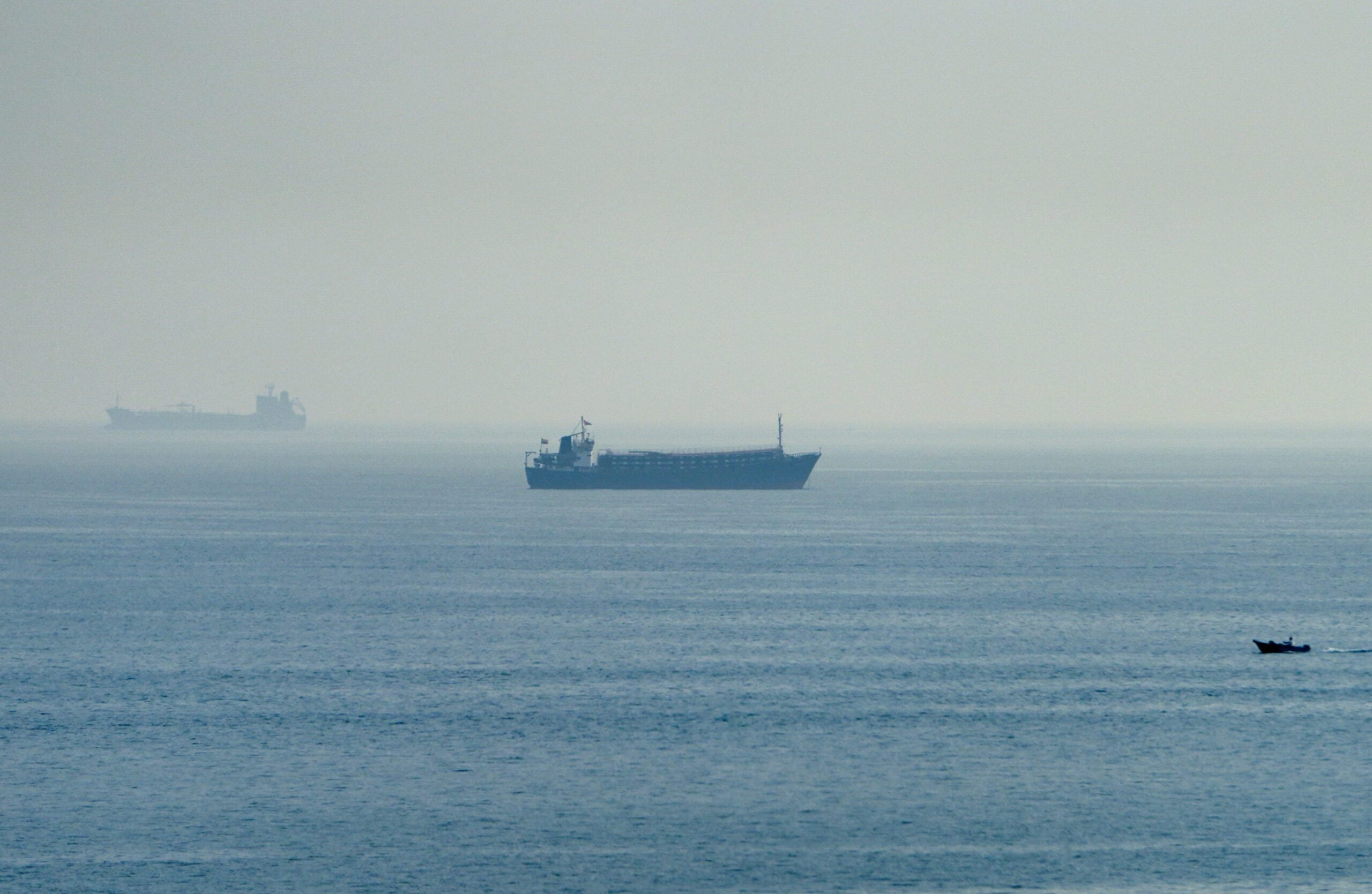
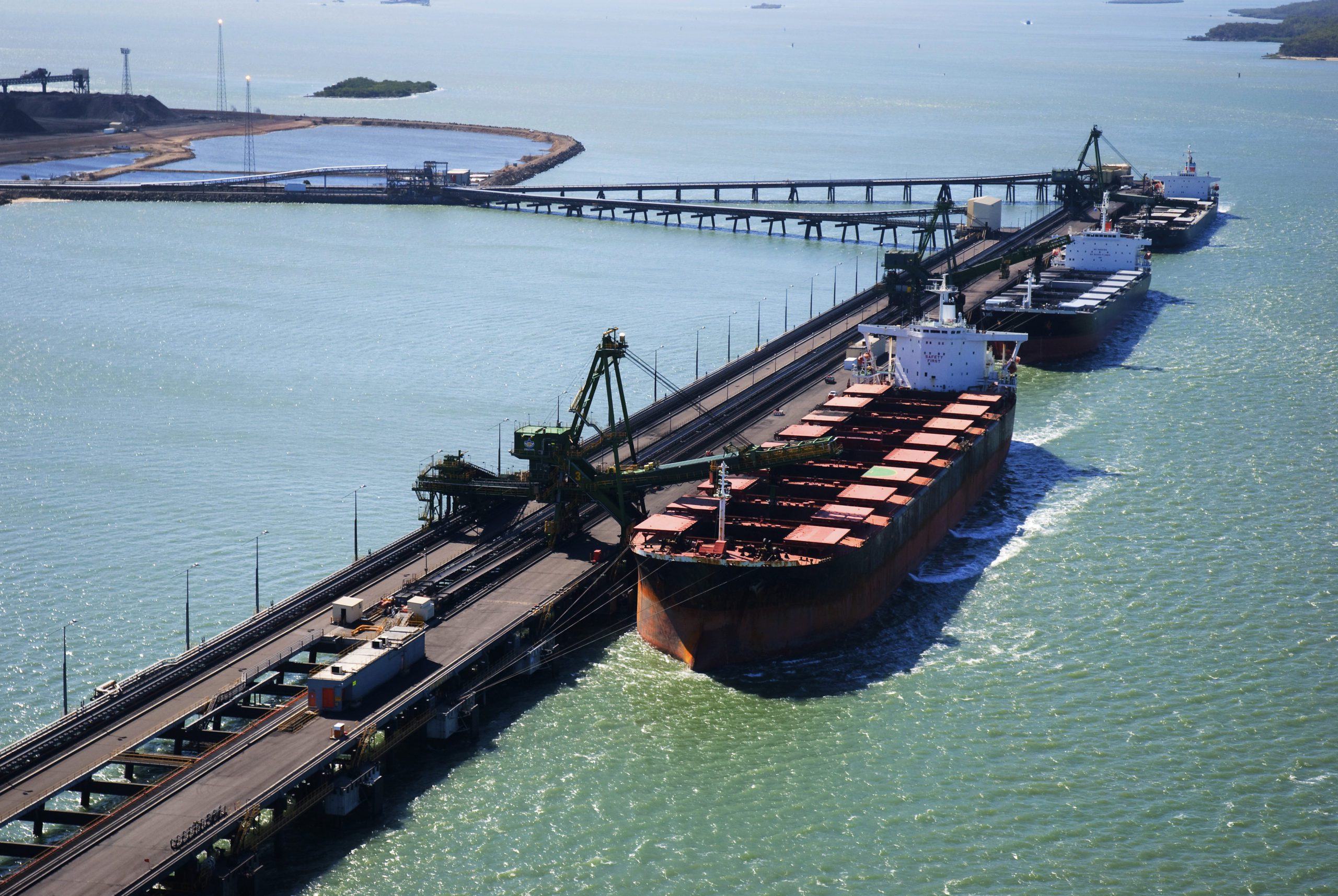
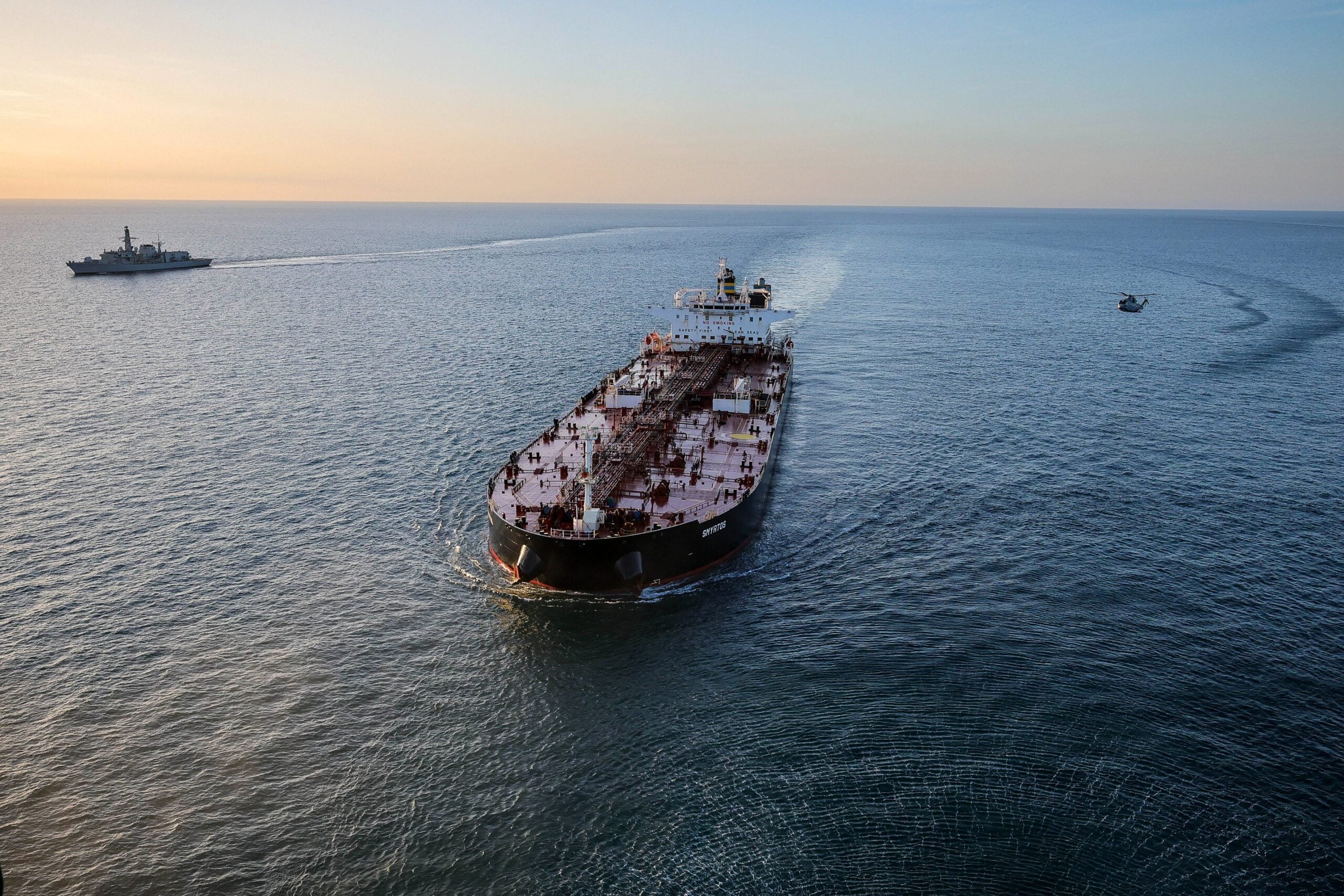
A Maltese-flagged bulk carrier ran aground on France’s Atlantic coast early Friday after being driven toward shore by strong winds and heavy seas, prompting the helicopter evacuation of 19 crew members and a major maritime emergency response.
The 169-meter MIRO G grounded near Lit-et-Mixe in southwestern France’s Landes region shortly after midnight on November 20, after its crew reported difficulty maneuvering in deteriorating weather.
According to France’s Atlantic Maritime Prefecture, the vessel alerted the CROSS-A Étel rescue coordination center Thursday evening after encountering heavy swell and strong crosswinds. The crew attempted an emergency anchorage, but wind gusts reaching 48 knots caused the vessel to drag anchor and drift toward shore.
Following the grounding, a French Air and Space Force search-and-rescue helicopter operating from Cazaux evacuated 19 of the vessel’s 22 crew members. The captain and two other mariners remained aboard to assist authorities with the ongoing response.
French authorities have since shifted their attention to the possibility of refloating the vessel.
A French Navy evaluation and intervention team was deployed by helicopter to assess the ship’s condition and determine whether it can be safely pulled free. Meanwhile, the emergency towing vessel Abeille Bretagne departed Brest in anticipation of a possible refloating operation.
A French Navy Falcon 50 maritime surveillance aircraft has also been monitoring the grounded vessel. Authorities said its initial aerial assessment found no evidence of pollution.
However, the operation faces significant challenges.
According to AFP, the vessel is carrying more than 100 tonnes of diesel fuel, presenting a potential pollution risk.
French maritime officials said options under consideration include pumping fuel from the vessel to reduce its weight before attempting to tow it into deeper water. The operation is complicated by rough weather, including waves reaching five to six meters, and difficult access to the beach.
The MIRO G, a 2011-built Handysize bulk carrier with a deadweight capacity of approximately 28,200 tonnes, was sailing without cargo when the grounding occurred.
The ship was reportedly bound for Rouen, France, where it was scheduled to load approximately 30,000 tonnes of wheat destined for Libya.
The incident triggered the activation of Level 3 of France’s ORSEC maritime emergency response system, as well as the Franco-Spanish Biscaye Plan, a bilateral agreement coordinating maritime rescue and pollution response in the Bay of Biscay.
The Spanish emergency towing vessel Sar Gavia was also mobilized under the agreement.
French authorities have formally instructed the shipowner to take necessary measures to eliminate immediate and future dangers and minimize any potential environmental damage.
As of Friday, no pollution had been detected, and the maritime prefecture said operations remained underway.

 Join The Club