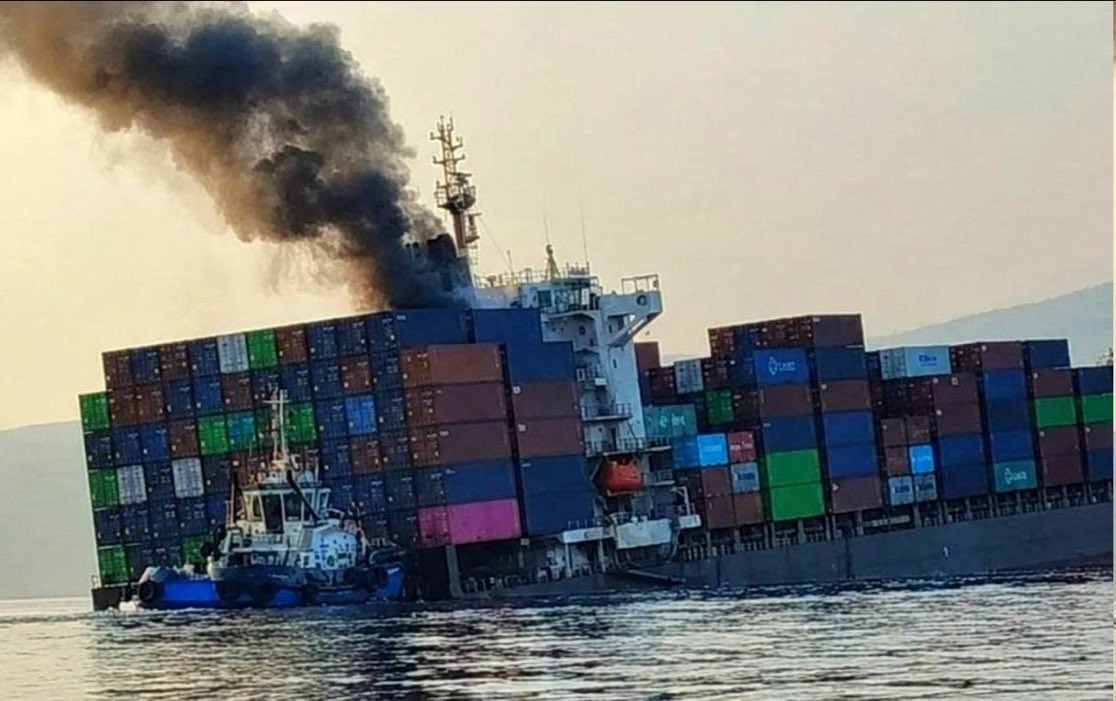
A Singapore-flagged containership has sunk after being struck by a projectile in the Strait of Hormuz, as a widening series of attacks on merchant shipping raises fresh questions about U.S. claims of control over the strategic waterway.
The Maritime and Port Authority of Singapore (MPA) confirmed Wednesday that the container ship GFS PRIDE sustained damage and a fire following an attack on October 13 and subsequently sank. All 21 crew members were safely evacuated, with no injuries reported.
A second Singapore-registered container ship, GFS GISELLE, was struck on October 14, Singapore time, sustaining hull damage. The vessel subsequently reached a safe anchorage under its own power. All 22 crew members were reported safe.
The loss of GFS PRIDE appears to mark the second confirmed sinking of a large, ocean-going ship during the conflict, following the loss of the Safeen Prestige.
The latest sinking comes amid a sharp escalation in attacks on commercial shipping. At least six vessels were struck in a single day on Sunday, October 11, and UK Maritime Trade Operations (UKMTO) has since issued four additional verified attack warnings covering incidents on October 13.
The latest warnings, numbered 170-26 through 173-26, describe attacks on three containerships and one tanker.
The first two warnings reported a containership and a tanker struck by unknown projectiles, without identifying the vessels or providing details about damage or casualties.
Two subsequent time-late reports described a 50,000-tonne container ship struck during an inbound transit at 1640 UTC and a 19,000-tonne containership struck during an outbound transit at 1700 UTC. Both vessels reported minor damage, no casualties and were able to continue their passages.
It remains unclear whether any of the UKMTO reports correspond to the two Singapore-registered vessels. As a result, the number of distinct ships involved in the latest attacks has not been fully established.
Singapore condemned the strikes, calling them “unprovoked, unjustifiable, and a breach of international law.”
“All actions affecting international shipping must fully comply with international law, in particular the United Nations Convention on the Law of the Sea, and must not endanger the safety of seafarers and ships at sea,” MPA said.
U.S. Claims Control as Attacks Continue
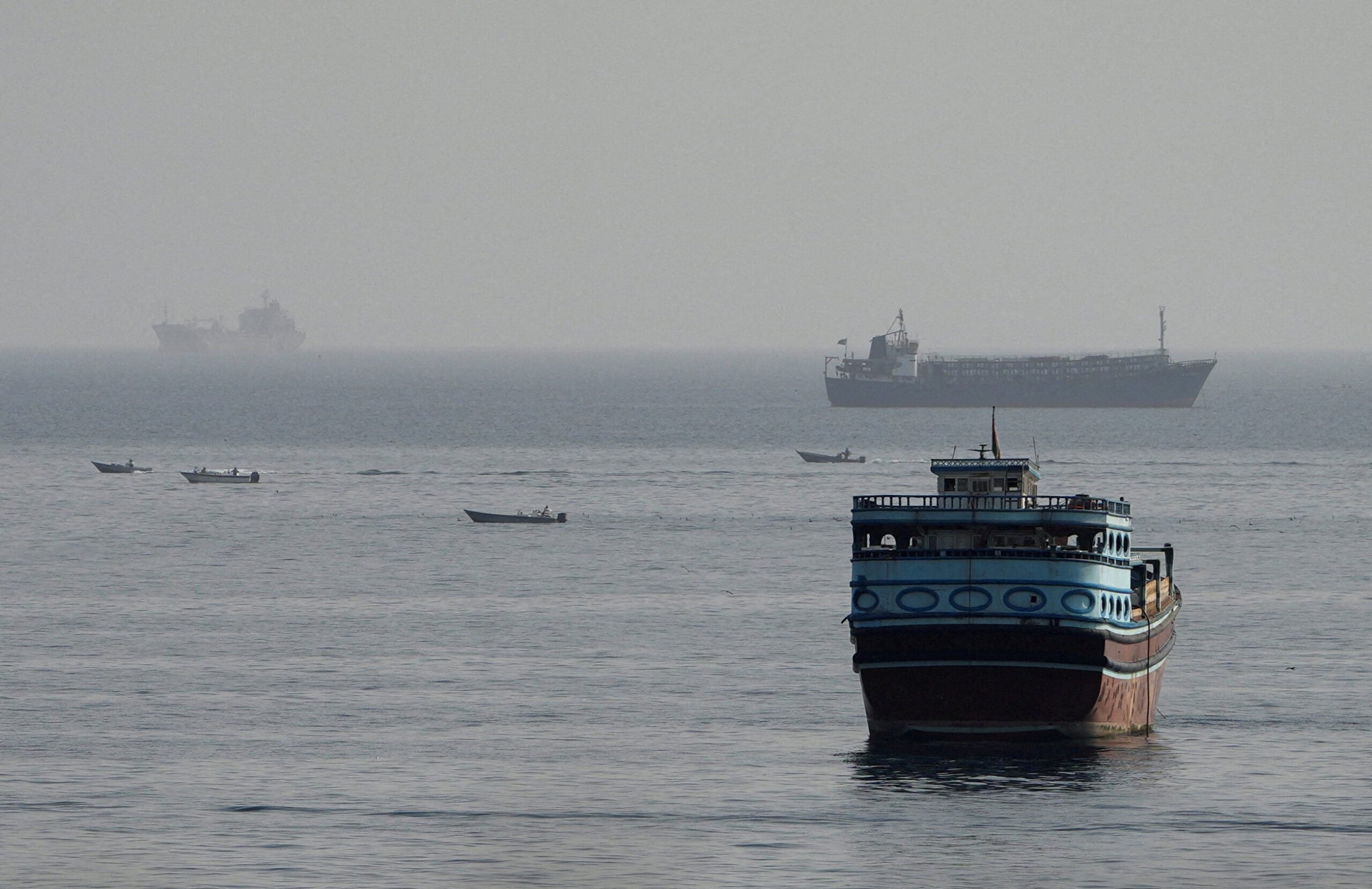
The latest attacks come just a day after U.S. Central Command (CENTCOM) declared that American forces and regional partners control the Strait of Hormuz, rejecting claims by Iran’s Islamic Revolutionary Guard Corps Navy that the waterway remains under Iranian control.
“American forces and regional partners clearly control the Strait of Hormuz,” CENTCOM said Tuesday.
The military command also said U.S. forces had assisted Gulf partners in moving more than 19 million barrels of crude oil through the strait the previous day.
But the sinking of GFS PRIDE and repeated strikes on passing merchant vessels highlight the continuing gap between military control of the waterway and the ability to ensure safe passage for commercial shipping.
The latest attacks also extend a pattern that has been building since late September.
Last week, two vessels were struck inside the Persian Gulf in three days, including an attack off Qatar, well beyond the main shipping corridor through Hormuz.
Since then, the pace of attacks has accelerated further, including Sunday’s six reported strikes and the latest incidents involving container hips and tankers.
Growing Toll on Commercial Shipping
The International Maritime Organization’s published incident list has documented more than 100 confirmed maritime security incidents since the conflict began, along with at least 24 seafarer fatalities.
The tally is subject to revision as additional incidents are verified, particularly given the growing number of reports emerging days after attacks occur.
UKMTO has repeatedly warned that its reporting depends on information provided by ships and other sources, meaning some incidents may not be immediately reflected in publicly available assessments.
The Joint Maritime Information Center (JMIC) has maintained a SEVERE threat assessment for the Strait of Hormuz, reflecting the continuing risk of further attacks on commercial vessels.
Despite U.S. efforts to facilitate traffic, shipping through the waterway remains substantially below prewar levels. Before the conflict, roughly 130 to 140 vessels typically passed through the strait each day.
The sinking of GFS PRIDE underscores the risks still confronting shipowners and crews attempting to navigate one of the world’s most important shipping corridors.
Although U.S. forces continue to facilitate commercial transits and oil shipments through Hormuz, the latest series of attacks shows that merchant vessels remain vulnerable even as Washington asserts control over the waterway.

 Join The Club