U.S. LNG giant raises full-year earnings outlook as Middle East supply disruptions boost demand for American exports
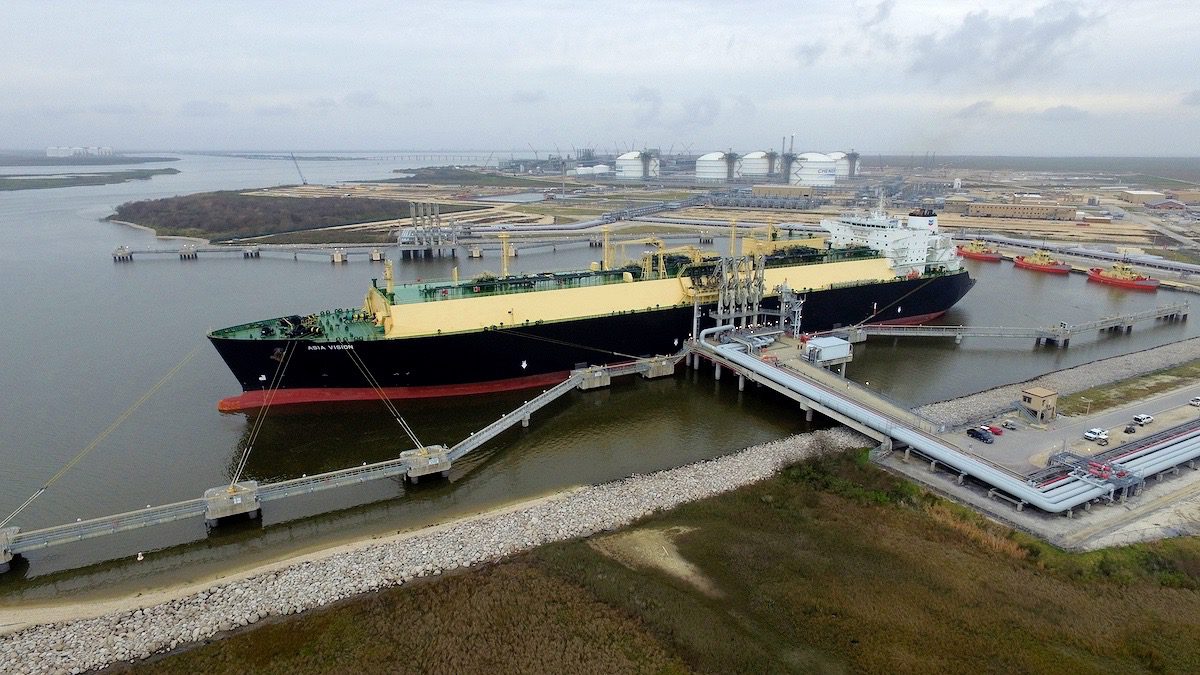
Cheniere Energy, the largest U.S. exporter of liquefied natural gas (LNG), reported a 15% increase in LNG cargo shipments during the third quarter as the war with Iran continues to disrupt Middle East energy supplies and reshape global gas trade flows.
The Houston-based company reported Thursday that it exported 188 LNG cargoes during the three months ended September 30, up from 163 during the same period last year. Total export volumes increased 17% to 684 trillion British thermal units (TBtu).
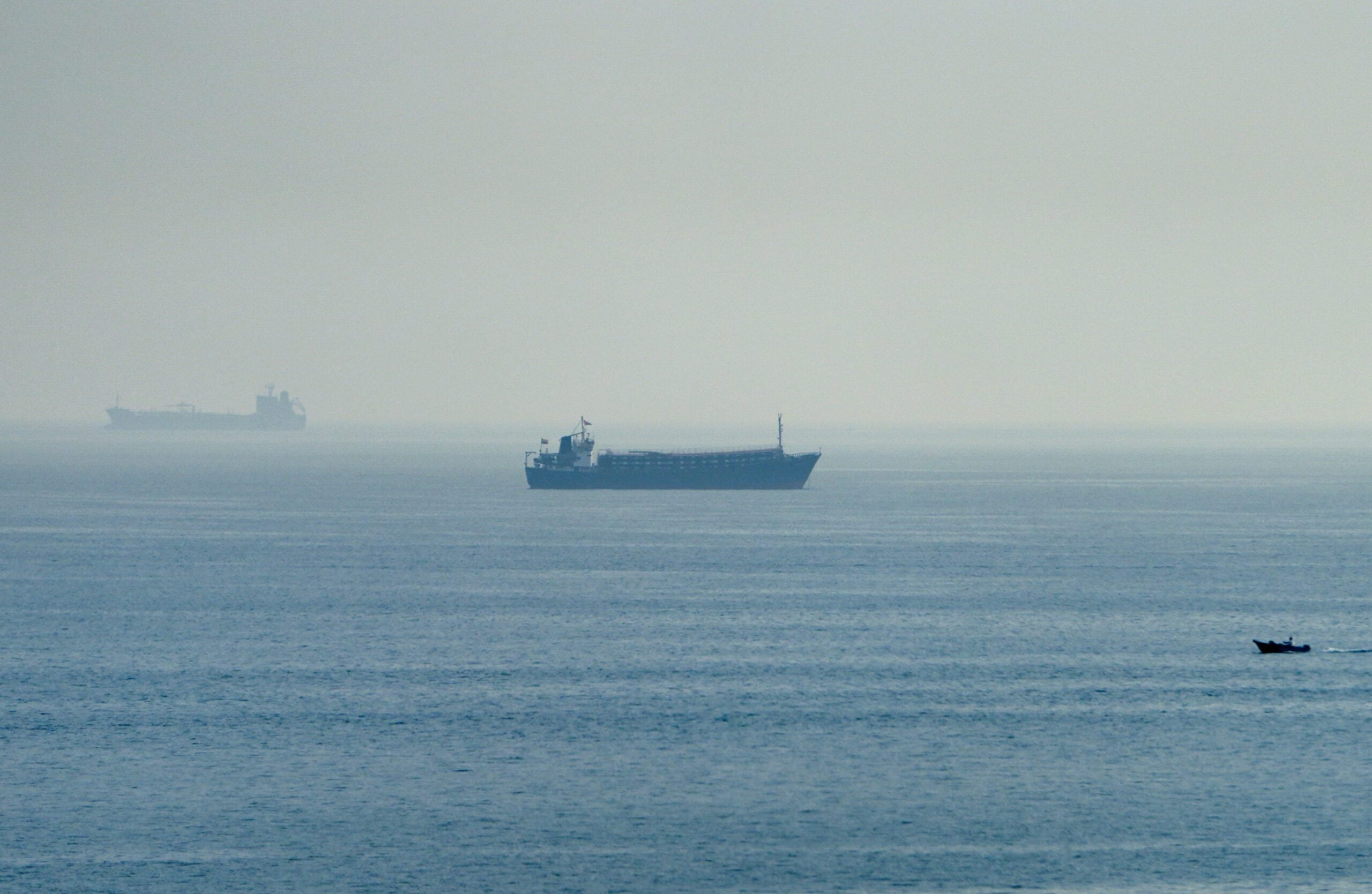
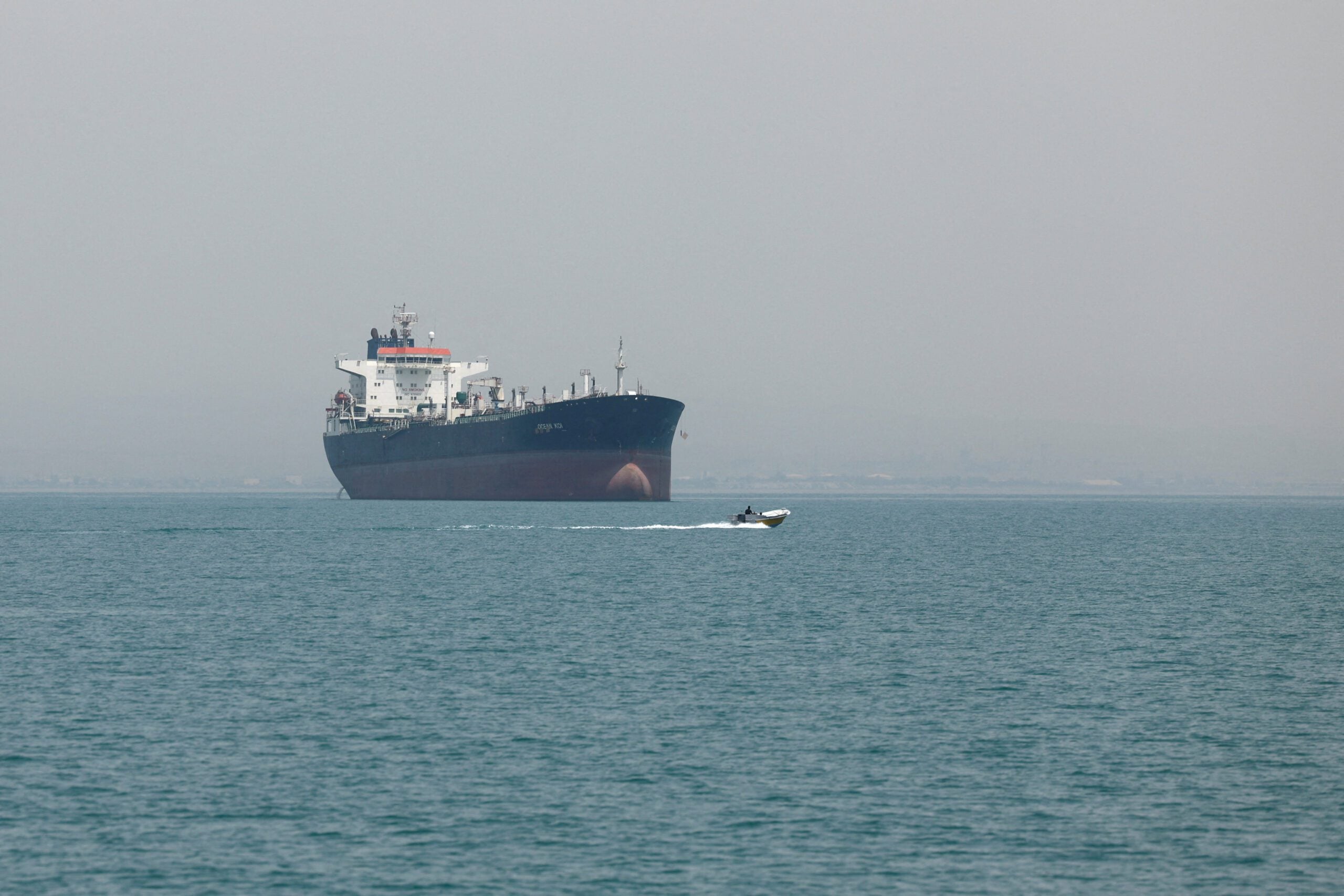
The increase comes as the conflict in the Persian Gulf has disrupted LNG exports from Qatar, one of the world’s largest suppliers, and raised concerns over shipping through the Strait of Hormuz. The disruptions have increased demand for alternative supplies, including cargoes from the United States.
Cheniere raised its full-year 2026 adjusted earnings guidance to between $8.75 billion and $9.25 billion, up from its previous forecast of $7.9 billion to $8.4 billion.
Third-quarter revenue jumped 39% to $6.17 billion, while net income increased 12% to $1.17 billion. Adjusted earnings before interest, taxes, depreciation and amortization (EBITDA) rose 18% to $1.9 billion.
The results highlight the growing importance of U.S. Gulf Coast LNG export terminals as the Iran war continues to disrupt established energy shipping routes.
QatarEnergy Turns to U.S. LNG
Cheniere specifically highlighted a new agreement with QatarEnergy, the state-owned energy company behind Qatar’s massive LNG export industry.
Cheniere said its Sabine Pass and Corpus Christi operations signed long-term agreements in October to supply QatarEnergy with up to 4 million metric tons of LNG annually beginning in the early 2030s and continuing through 2054.
One million tons of the contracted annual volume remains subject to a positive final investment decision on the first phase of Cheniere’s planned Sabine Pass expansion.
The agreements are particularly notable given Qatar’s position as a major LNG producer and the ongoing disruption to shipping through the Strait of Hormuz, the narrow waterway connecting the Persian Gulf with international markets.
The contracts, which provide for delivery on a free-on-board basis, give QatarEnergy access to U.S.-produced LNG that can be marketed internationally without originating from the Persian Gulf.
Cheniere also announced a separate 22-year agreement with Brazil’s Petrobras to supply 800,000 metric tons of LNG annually.
U.S. LNG Export Capacity Continues to Expand
The increased shipments follow the August completion of Cheniere’s Corpus Christi Stage 3 expansion in Texas, which added more than 20% to the company’s LNG production capacity.
The project was completed ahead of its guaranteed completion schedule and within budget.
“We achieved key milestones across the Cheniere platform in the third quarter of 2026, highlighted by the substantial completion of the seventh and final train of the CCL Stage 3 Project, the export of our 5,000th LNG cargo, and our continued commercial success in support of future brownfield growth at Sabine Pass and Corpus Christi,” said Jack Fusco, Cheniere’s Chairman, President and Chief Executive Officer.
Cheniere currently operates approximately 56 million metric tons per year of LNG liquefaction capacity across its Sabine Pass terminal in Louisiana and Corpus Christi facility in Texas.
Another 5 million tons of annual capacity is under construction, while more than 40 million tons is in various stages of regulatory permitting.
The company is developing additional capacity at Sabine Pass and expects its two new Corpus Christi midscale trains to reach substantial completion in the second half of 2028.
For the LNG shipping industry, the expansion of U.S. export capacity represents a growing source of cargo demand as global buyers seek alternatives to Middle East supplies.
The company also reached a major shipping milestone in August, exporting its 5,000th LNG cargo from its U.S. Gulf Coast facilities. By October 23, Cheniere had loaded and exported approximately 5,120 cargoes totaling more than 350 million metric tons since beginning operations.
During the first nine months of 2026 alone, Cheniere exported 559 LNG cargoes, compared with 485 during the same period last year.
The figures underscore the growing role of U.S. LNG in international energy markets at a time when the war with Iran has exposed the vulnerability of traditional Persian Gulf export routes.

 Join The Club