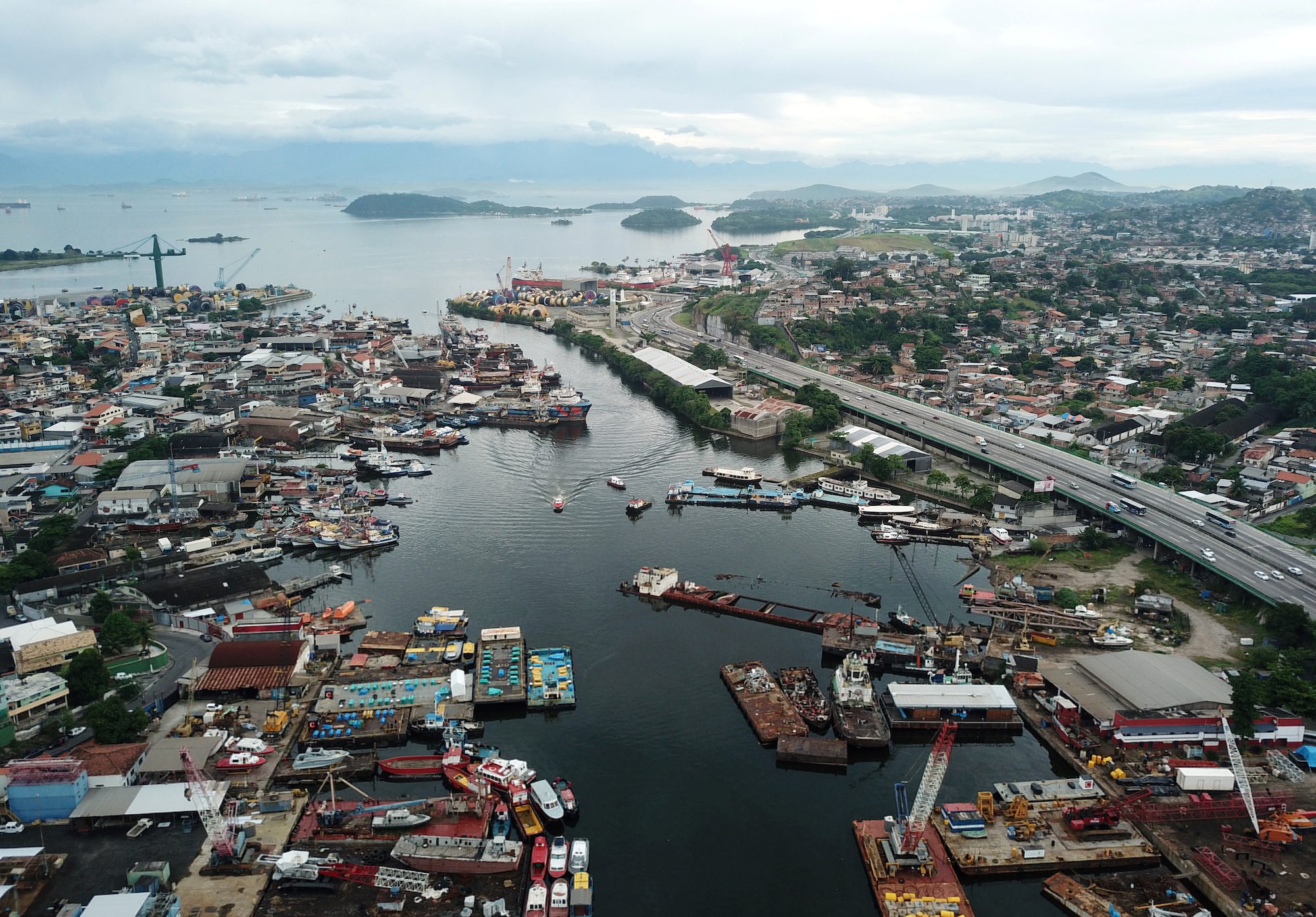
GUANABARA BAY, Dec 29 (Reuters) – On a stormy evening in mid-November, a huge, abandoned cargo ship broke free of its moorings and slowly floated into the massive concrete bridge that carries cars across Brazil’s Guanabara Bay to Rio de Janeiro.
Brazil’s navy said the 200-meter-long (660-ft.) Sao Luiz, a rust-spattered bulk carrier built in 1994, had been anchored in the bay for more than six years awaiting legal proceedings before it crashed into Latin America’s longest over-water bridge. The navy said it was investigating.
“The Sao Luiz is still in the Port of Rio today, with 50 tonnes of fuel oil in it,” Sergio Ricardo, co-founder of socio-environmental group Movimento Baia Viva (Living Bay Movement) told Reuters, also pointing to high levels of corrosion.
“The ship is unsafe and can cause an environmental disaster,” he said.
Worldwide, financial and legal problems are common reasons for owners abandoning ships.
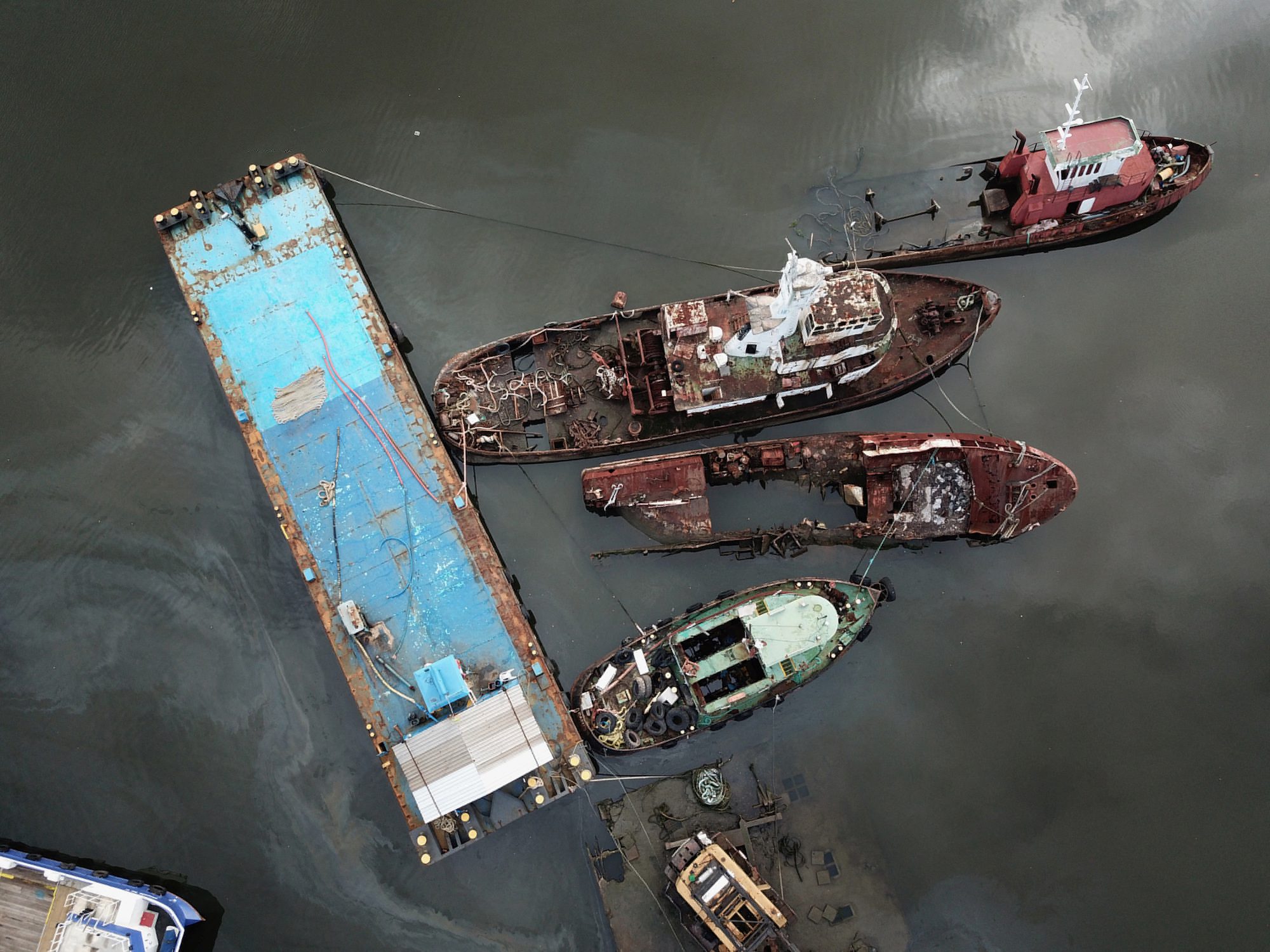
Abandoned ships are seen on the shore of the Guanabara Bay in Niteroi, in Rio de Janeiro state, Brazil December 23, 2022. REUTERS/Pilar Olivares
The Sao Luiz is one of dozens of ships left to rust on the iconic but heavily polluted bay, once home to vast mangroves and thriving marine life.
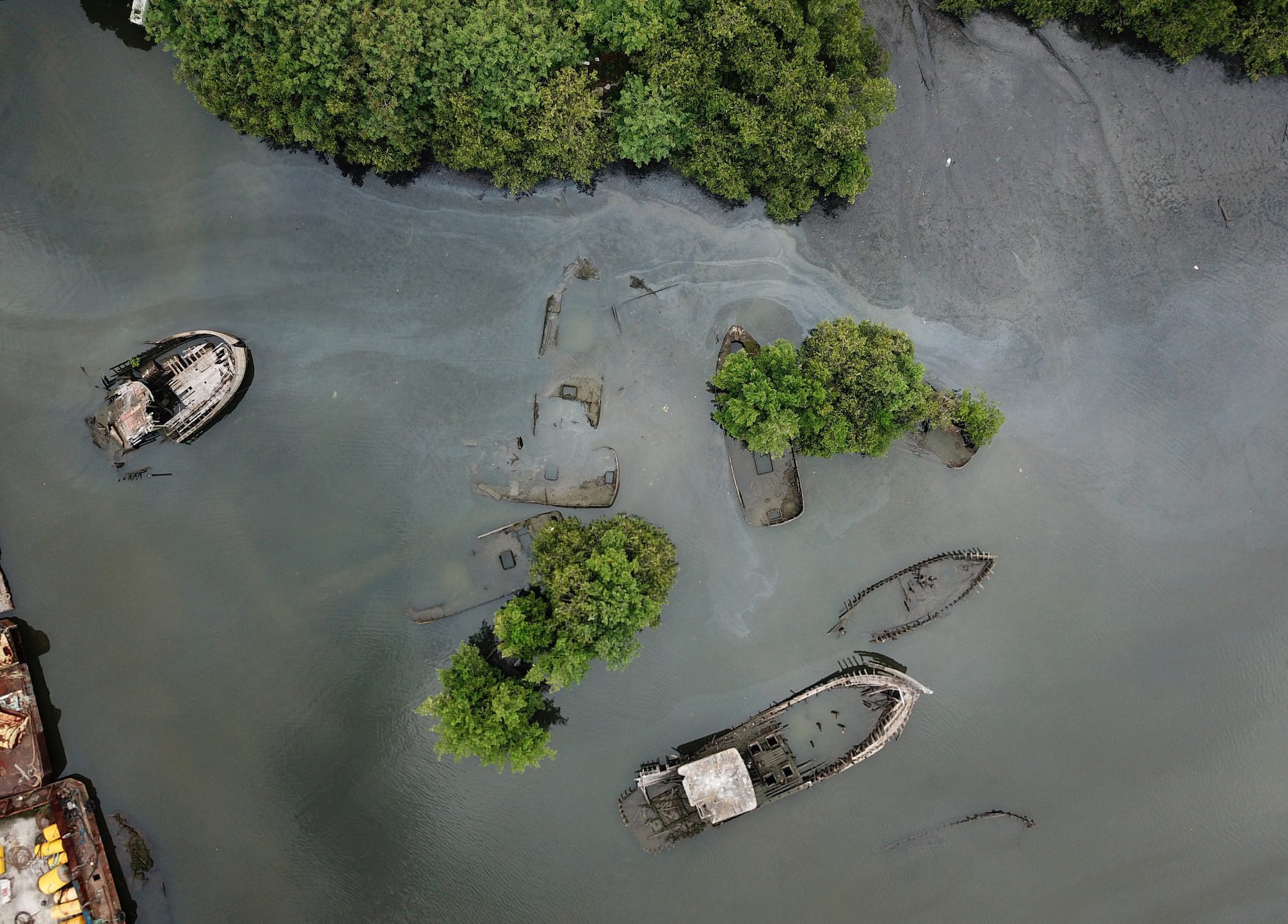
The mangroves are now much reduced and pollution exacerbated by the graveyard of ships is threatening local sea-horses, green turtles and Guiana dolphins, a symbol of Rio de Janeiro.
A survey by the Rio de Janeiro State University found this year that just 34 Guiana dolphins remained in the bay, down from around 800 in the 1990s.
Abandoned ships are seen on the shore of the Guanabara Bay in Niteroi, in Rio de Janeiro state, Brazil December 23, 2022. REUTERS/Pilar Olivares
Besides the ships’ effect on marine life and passing vessels, which must navigate an obstacle course of half-floating hulks, pollution in the bay imposes a financial cost of some tens of billions of reais a year with its pollution, Ricardo estimated.
Fernando Pinto Lima, a 62-year-old former fisherman in the bay, told Reuters he used to be able to quickly catch 50 to 100 kilograms of fish. “Now to catch fifty kilograms, it’ll take you a week or a month,” he said.
Following the Sao Luiz crash, local media reported that authorities were studying how to remove the ghost ships. But the derelict vessels continue to molder on and under its muddy waters.
($1 = 5.2186 reais)
(Reporting by Pilar Olivares; Writing by Sarah Morland; Editing by Bradley Perrett)
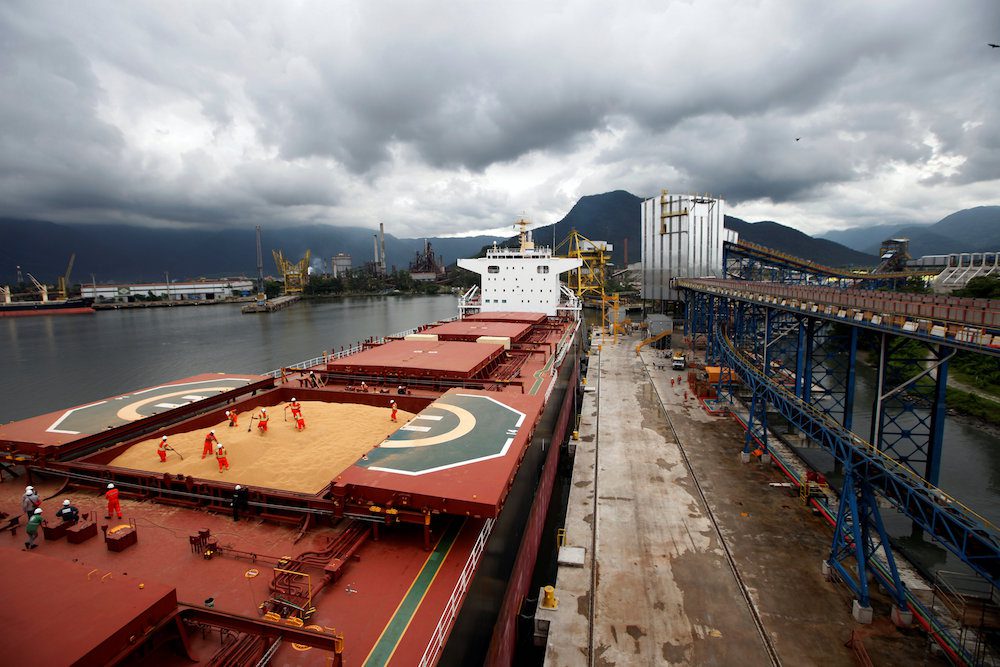
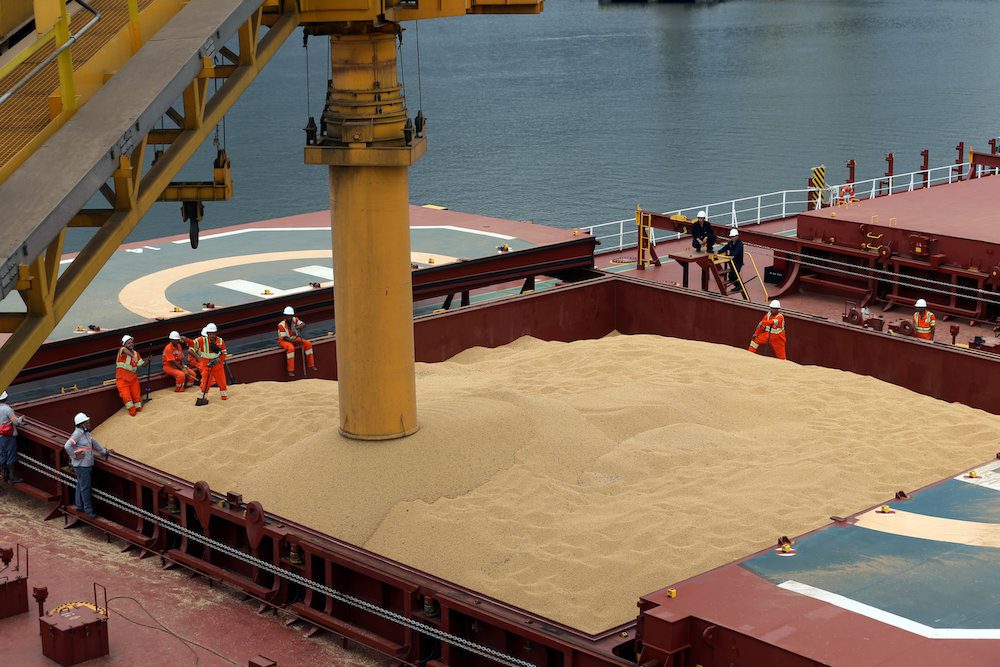
China, the world’s largest soybean importer, has ramped up orders for Brazilian cargoes of the oilseed after meeting an initial shipment volume from the US as part of a trade truce with Washington.
Chinese soybean importers have stepped up purchases of Brazilian cargoes in recent days as South American prices eased on expectations a U.S.-China trade deal will lead to a resumption of U.S. sales to the world's largest soybean importer.
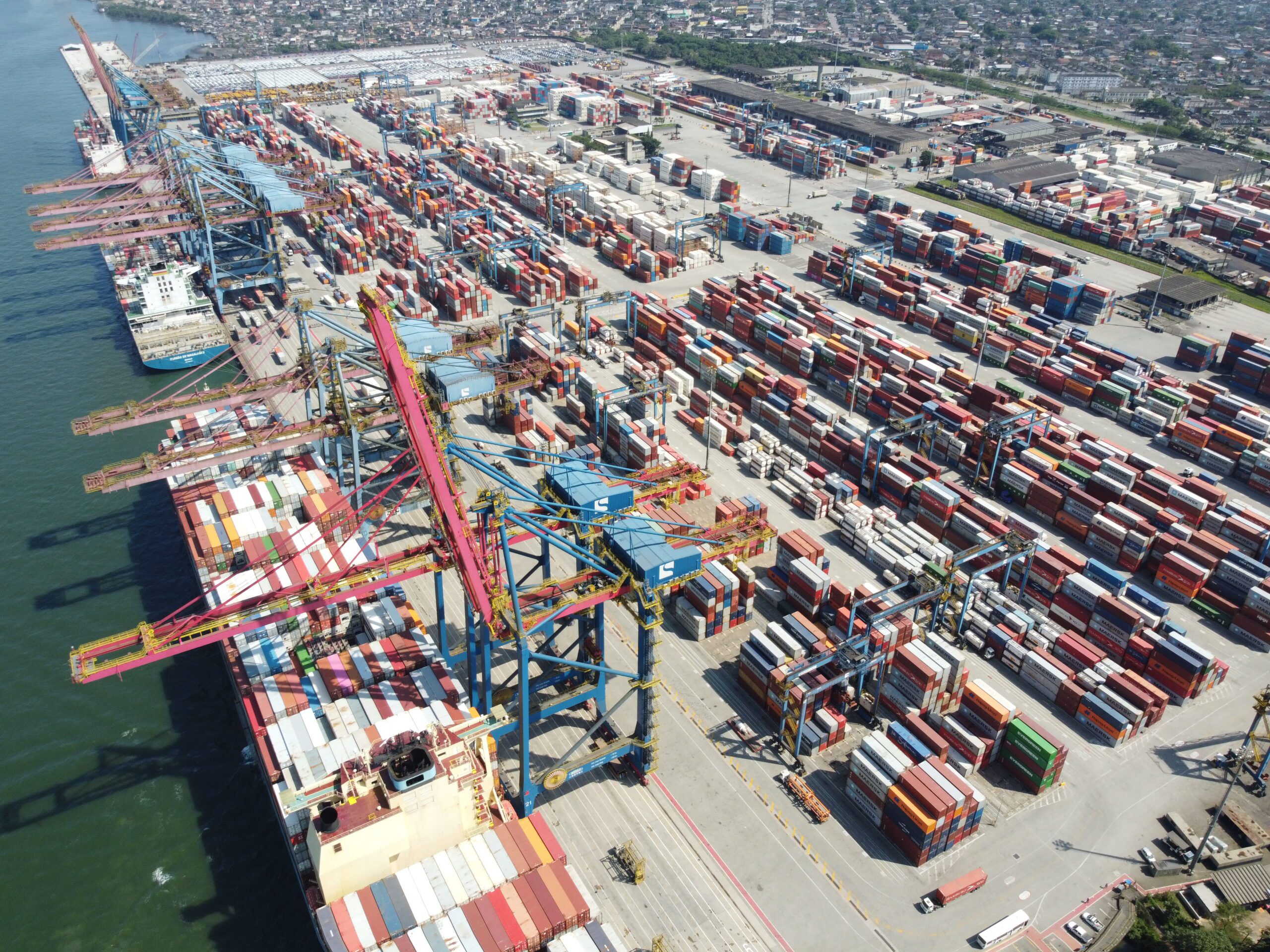
French shipping and logistics giant CMA CGM Group has completed its acquisition of a controlling 51% stake in Santos Brasil Participações S/A, marking a significant expansion of its terminal operations...
April 25, 2025
Total Views: 850
Get The Industry’s Go-To News
Subscribe to gCaptain Daily and stay informed with the latest global maritime and offshore news
— just like 106,690 professionals
Secure Your Spot
on the gCaptain Crew
Stay informed with the latest maritime and offshore news, delivered daily straight to your inbox
— trusted by our 106,690 members
Your Gateway to the Maritime World!
Essential news coupled with the finest maritime content sourced from across the globe.

 Join The Club