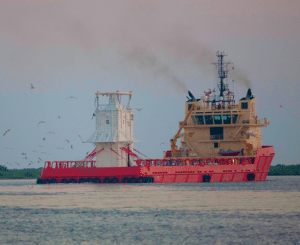
On May 5, 2010, the containment dome, or cofferdam, left Port Fourchon on Chouest’s Joe Griffin for the Deepwater Horizon site. Image (c) BP PLC
BP said Thursday that it has capped the abandoned containment dome, or cofferdam, that was identified last week as the source of a recent oil sheen spotted in the Gulf of Mexico near the site of the 2010 Deepwater Horizon disaster.
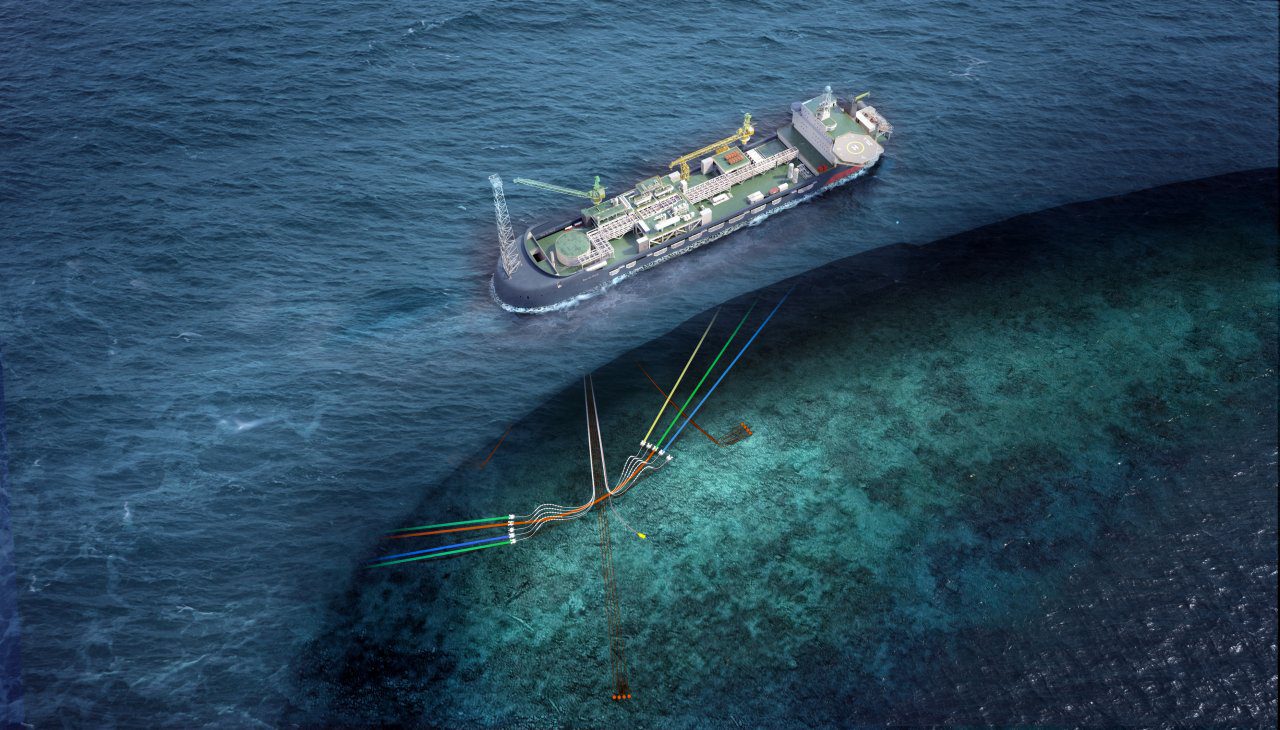
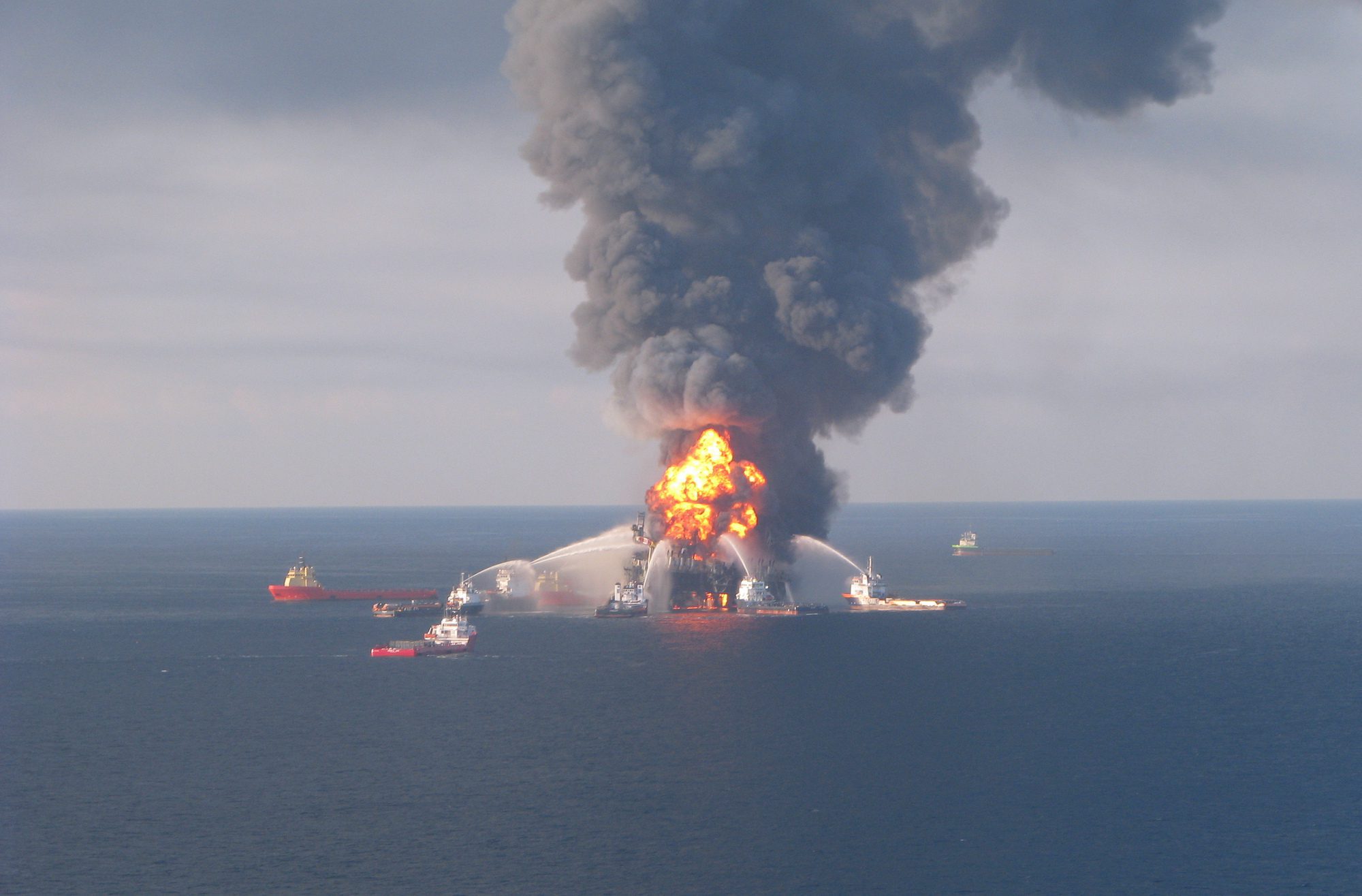
The 86-ton cofferdam is a steel container that in 2010 was lowered over the blown out Macondo well in an attempt to capture the oil and funnel it to the surface. The system failed, miserably, with methane ice crystals forming almost immediately after being deployed which caused the steel structure to float. The cofferdam was later abandoned at the site some 1,500 feet away.
BP now says that on Tuesday, with the approval of US Coast Guard, the company deployed Remotely Operated Vehicles (ROVs) and successfully installed a 750-lb cap over an opening on the cofferdam known as the stovepipe and secured it in place with clamps. ROVs also successfully inserted plugs into four small connection ports on the top and sides of the cofferdam, BP says.
BP on Thursday confirmed that initial visual inspections of the cap and plugs have observed no oil droplets emanating from any of the openings and they will continue to monitor the sheen by satellite for several days to confirm that the cap and plugs are secure.

 Join The Club