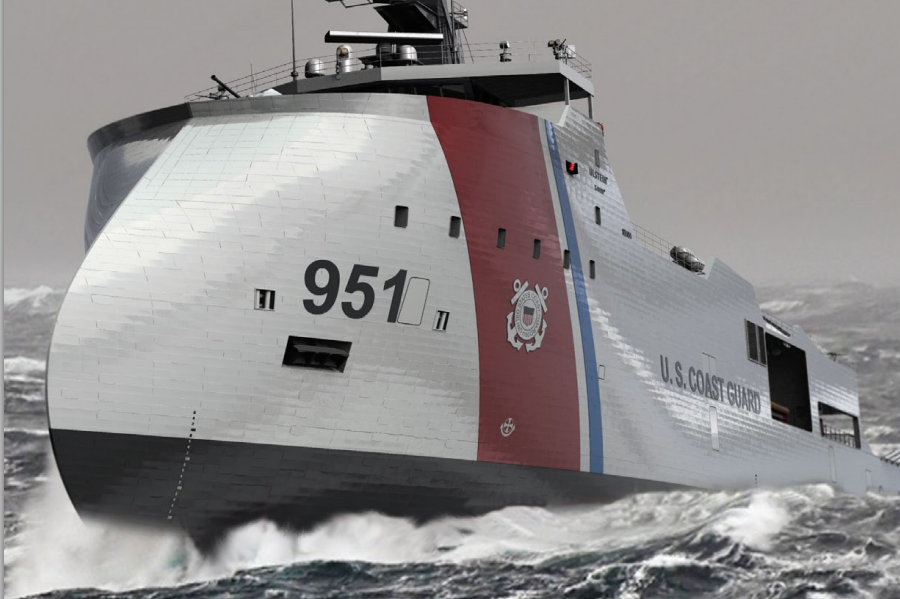
A conceptual illustration of the Offshore Patrol Cutter
Bollinger Shipyards of Lockport, Louisiana is one of three shipbuilders selected by the U.S. Coast Guard for the design phase of the $12 billion Offshore Patrol Cutter (OPC) program.
Vigor’s X-Bow design was not selected for the Phase I contracts.
The first phase (Phase I) of the program consists of the preliminary and contract design (P&CD). The second phase (Phase II) will only be awarded to a single shipbuilder and consists of the detailed design and construction (DD&C) contract, consisting of the lead OPC with potential options to build up to 10 additional cutters. In total, the Coast Guard has stated a need for up to 25 total OPCs.
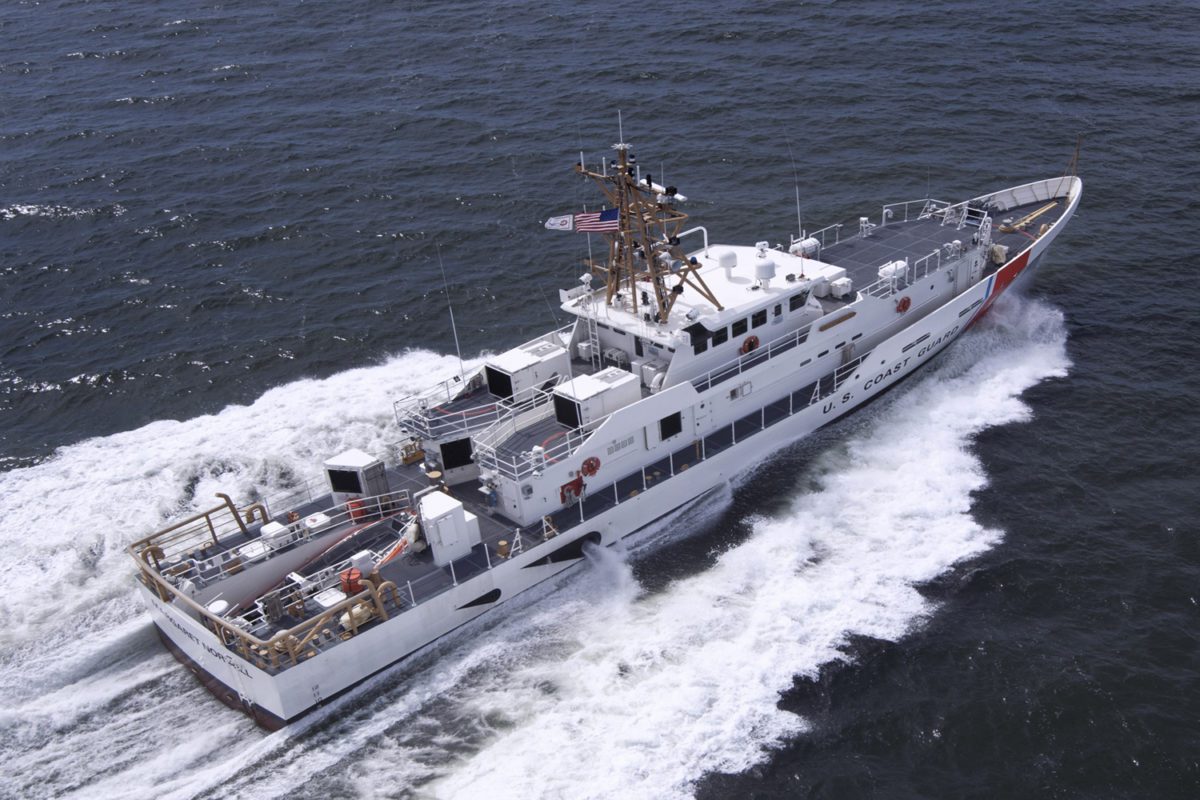
Bollinger says their Offshore Patrol Cutter will bridge the capability gap between the Fast Response Cutter (FRC) that are presently being built by Bollinger, and the National Security Cutter (NSC), adding that the next-generation cutter will complement the Coast Guard’s current and future fleet to extend the service’s operational capabilities.
The Offshore Patrol Cutters are to feature increased range and endurance, a larger flight deck, and improved interoperability, and will accommodate rotary wing aircraft and small boat operations in all weather. The OPC will be designed to carry out the congressionally mandated missions of the Medium Endurance Cutters (WMEC).
For Phase I, Bollinger will partner with Gibbs & Cox Maritime Solutions, L3 Communications, and Damen Shipyards Group and will include Naval Architecture, Design, Engineering, Production Planning, and Facility Improvement Planning.
Bollinger says that the Phase I contract will employ over 250 naval architects, engineers, designers and planners in support of developing Bollinger’s preliminary and contract design along with Bollinger’s Phase II proposal for detailed design and construction. Bollinger says if they are awarded the Phase II, it will bring thousands of jobs to South Louisiana and the Gulf Coast. The Phase II contract award is expected for 2016.
The three Phase I design contracts range in value from $21 million and $22 million.
The Coast Guard’s new credentialing portal promises complete applications and faster processing. One American ship captain tested it. What he found raises serious questions about automation, accountability, and whether Washington...
Rauma Marine Constructions in Finland has made rapid progress on the first of two Arctic Security Cutters it is building for the U.S. Coast Guard, with almost half of the vessel's blocks already launched and construction of the second ship approaching, according to the Finnish shipbuilder's chief executive.
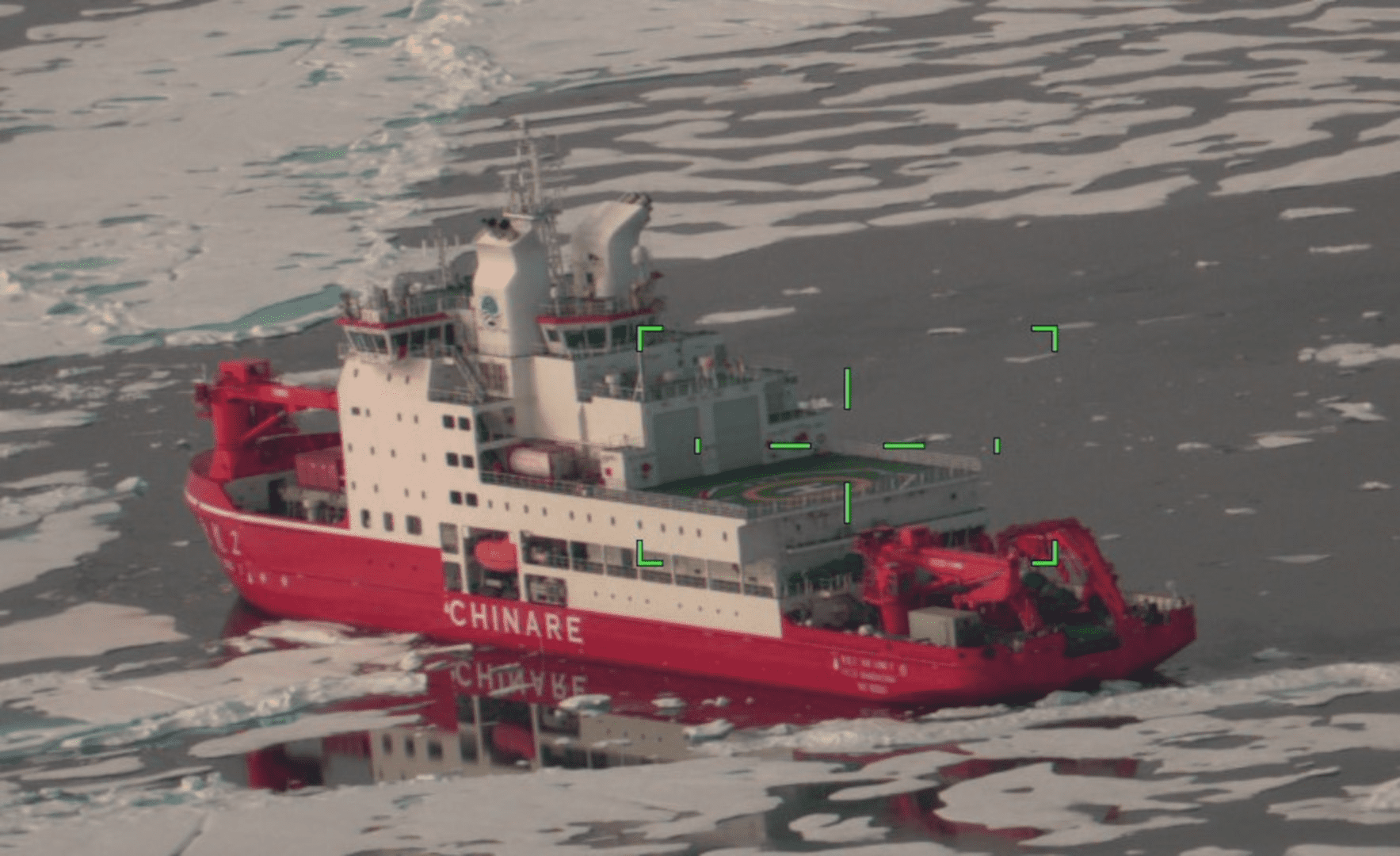
The United States is watching China's presence in its Arctic zone "very closely" amid concerns regarding the security of the US homeland, a senior US Arctic military official said.
September 21, 2026
Total Views: 3677
Get The Industry’s Go-To News
Subscribe to gCaptain Daily and stay informed with the latest global maritime and offshore news
— just like 106,332 professionals
Secure Your Spot
on the gCaptain Crew
Stay informed with the latest maritime and offshore news, delivered daily straight to your inbox
— trusted by our 106,332 members
Your Gateway to the Maritime World!
Essential news coupled with the finest maritime content sourced from across the globe.

 Join The Club