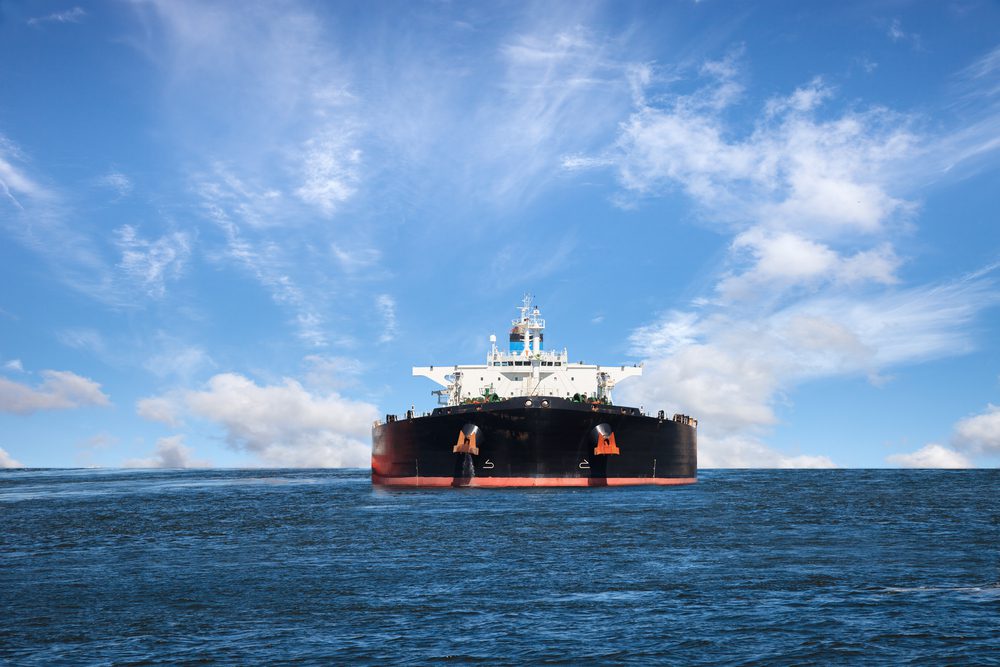
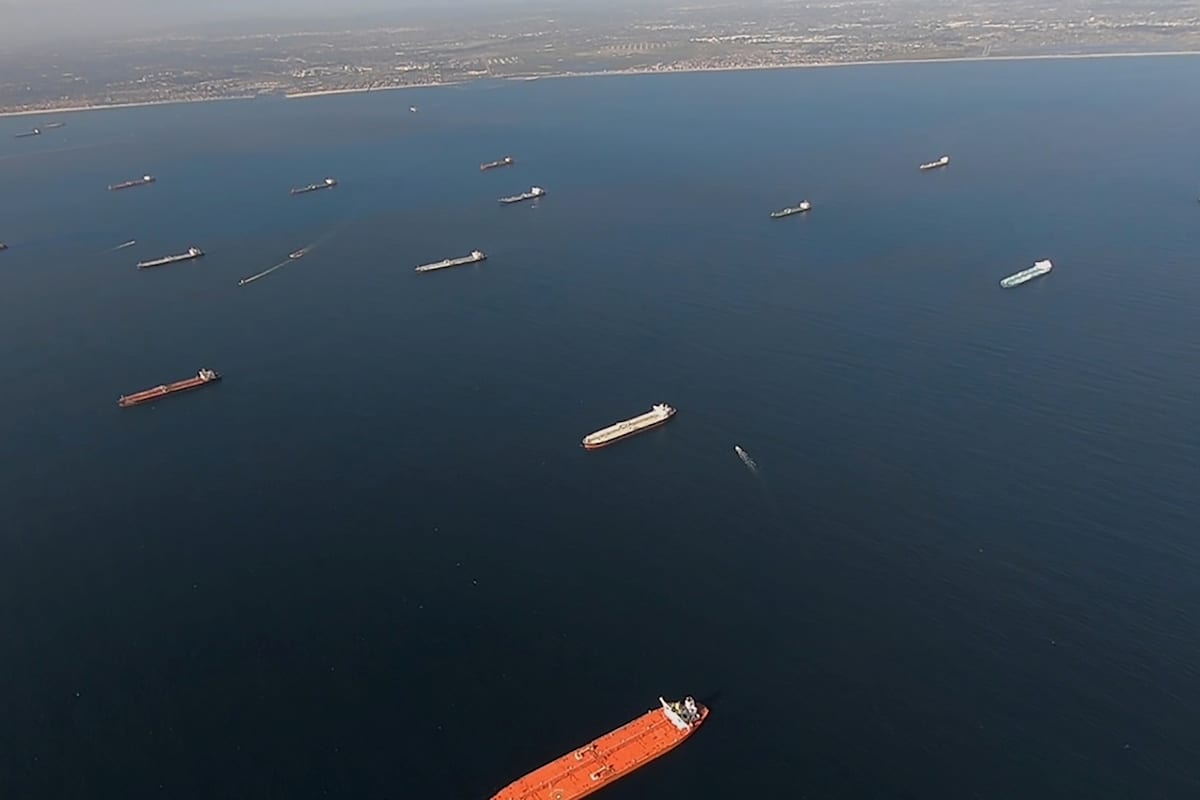
By Julia Payne and Florence Tan LONDON/SINGAPORE, Feb 11 (Reuters) – The oil market this week took a turn that could prompt traders to consider storing oil offshore as a growing crude surplus threatens to worsen.
The coronavirus outbreak in China, the world’s biggest oil importer, has triggered a fall of more than $10 in Brent crude futures as China’s state-owned and independent refiners reduce output in the face of tumbling fuel demand.
The Brent market flipped into contango last week <LCOc1-LCOc2> for the first time since July 2019 as prompt prices fell below forward prices.
But what started as a mild dip has powered past $1 per barrel looking further ahead.
The six-month Brent contango spread <LCOc1-LCOc7> from April to October on Feb. 10 widened to around $1.22 barrel, a level not seen since Dec. 2018.
The six-month spread on West Texas Intermediate (WTI) <CLc1-CLc7> hit $1.
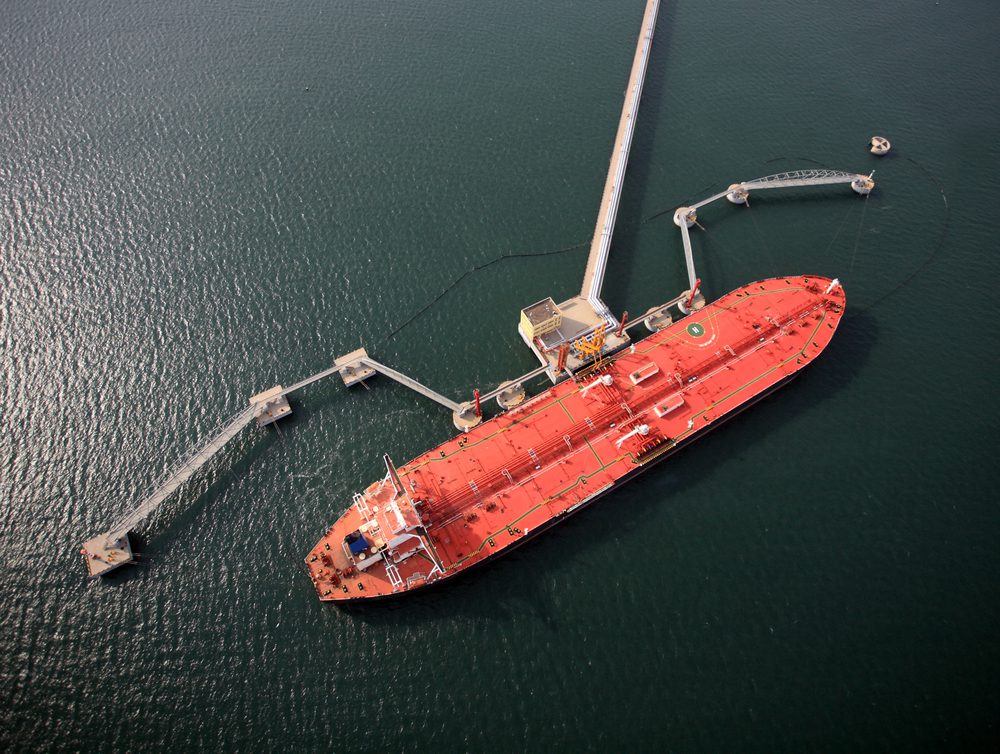
The move has analysts eyeing floating storage opportunities as traders could buy relatively cheap oil now and re-sell it at a profit later.
“The entire forward curve has also shifted into contango now,” ING bank said in a daily research note.
“There are reports of increased interest in floating storage as Chinese refiners push for deferred deliveries.”
Freight rates and storage prices have plummeted as the virus has hit demand and since the U.S. partially lifted sanctions on subsidiaries of Chinese shipping firm COSCO.
However, physical traders caution that while there are distressed cargoes, long-term storage is not yet a strategy as the Dubai benchmark, which rules Chinese buying, has not followed suit.
“Some cargoes will have to be floated…no one wants to buy a prompt cargo,” said a Singapore-based trader, adding that traders will likely have to take some losses.
“Right now, (the market structure) cannot cover the cost as February/March Dubai and dated Brent are still backwardated, which doesn’t make any sense.”
A spokesman for the port of Qingdao said that one of its two crude storage sites, Dongjuakou, still had space.
“Even though the call on crude in its storage areas has slowed due to the virus, there is no congestion yet,” a Qingdao spokesman said.
Further, the Organization of the Petroleum Exporting Countries (OPEC) and its allies may deepen existing output cuts and thereby erase the contango.
“It’s a big change especially after the strong backwardation we had in the Brent curve. To have that large money-maker contango, we’re not there yet. It’s really just the first step,” said Olivier Jakob of consultancy Petromatrix.
(Additional reporting by Muyu Xu in Beijing; editing by Jason Neely)
By Laura Hurst, Javier Blas and Francois de Beaupuy (Bloomberg) –The secretive oil-trading businesses of Royal Dutch Shell Plc and Total SE saved both European majors from posting losses in...
By Ryan Hesketh, Prejula Prem and Jack Wittels (Bloomberg) — For clues about how glutted the global diesel market remains, just look at the bizarre voyages being undertaken by tankers...
By Javier Blas and Lars Erik Taraldsen (Bloomberg) –In March and April, as oil prices plunged to their lowest in a generation, Norwegian energy giant Equinor ASA was busy doing...
July 24, 2020
Total Views: 165
Get The Industry’s Go-To News
Subscribe to gCaptain Daily and stay informed with the latest global maritime and offshore news
— just like 106,690 professionals
Secure Your Spot
on the gCaptain Crew
Stay informed with the latest maritime and offshore news, delivered daily straight to your inbox
— trusted by our 106,690 members
Your Gateway to the Maritime World!
Essential news coupled with the finest maritime content sourced from across the globe.

 Join The Club