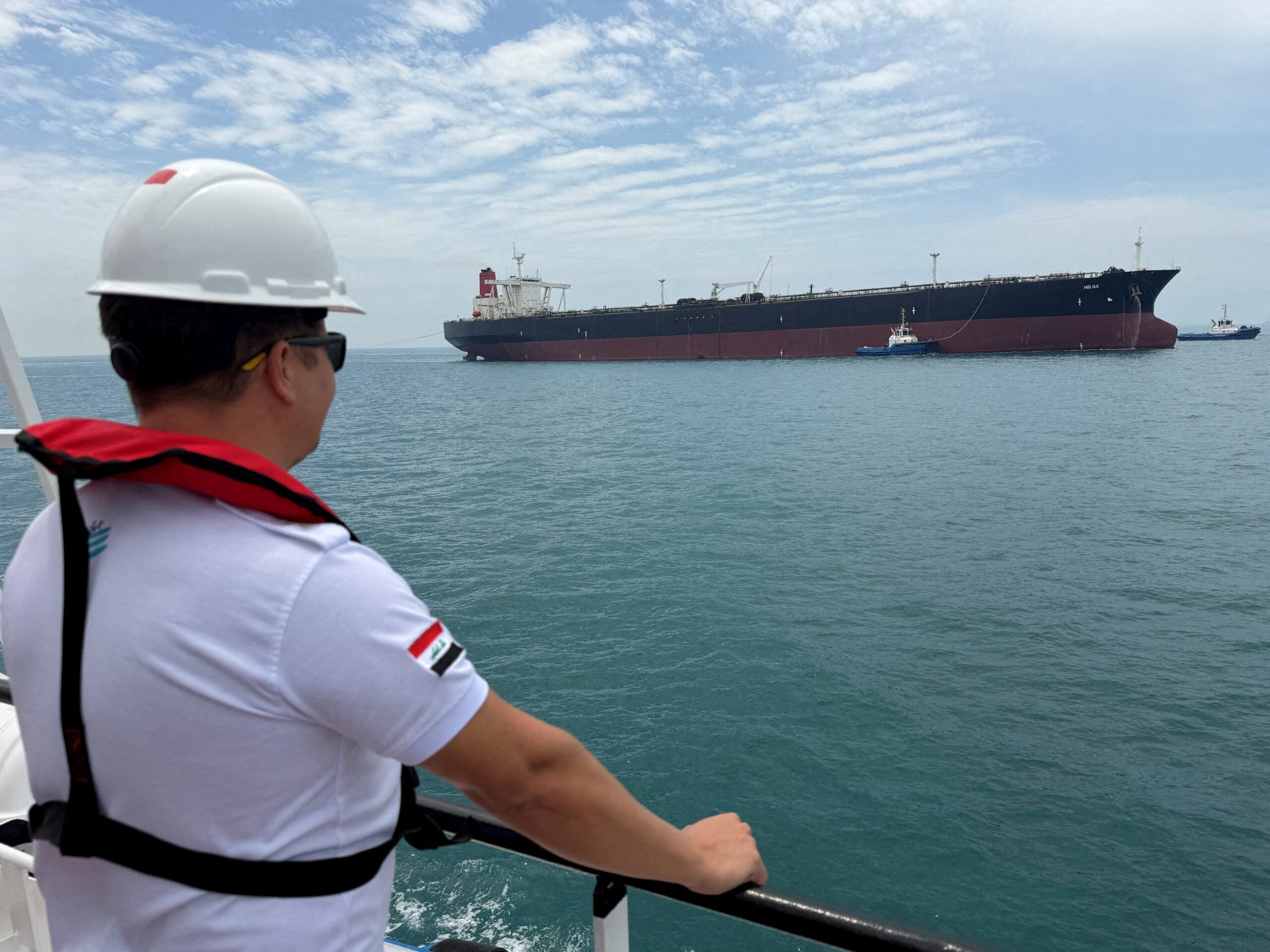
A vessel operated by ADNOC Logistics & Services was damaged in an attack in UAE territorial waters on Tuesday, as maritime authorities reported a separate apparent projectile strike against a tanker near the Strait of Hormuz, adding to a growing series of attacks on commercial shipping in the region.
ADNOC Logistics & Services confirmed that one of its vessels sustained damage in an attack in the Persian Gulf on the afternoon of November 10.
In a statement carried by the UAE’s state-run WAM news agency, the company said response operations were ongoing but provided no details about the vessel’s identity, the extent of the damage or whether any crew members were injured.
The company said further updates would be provided as information became available.
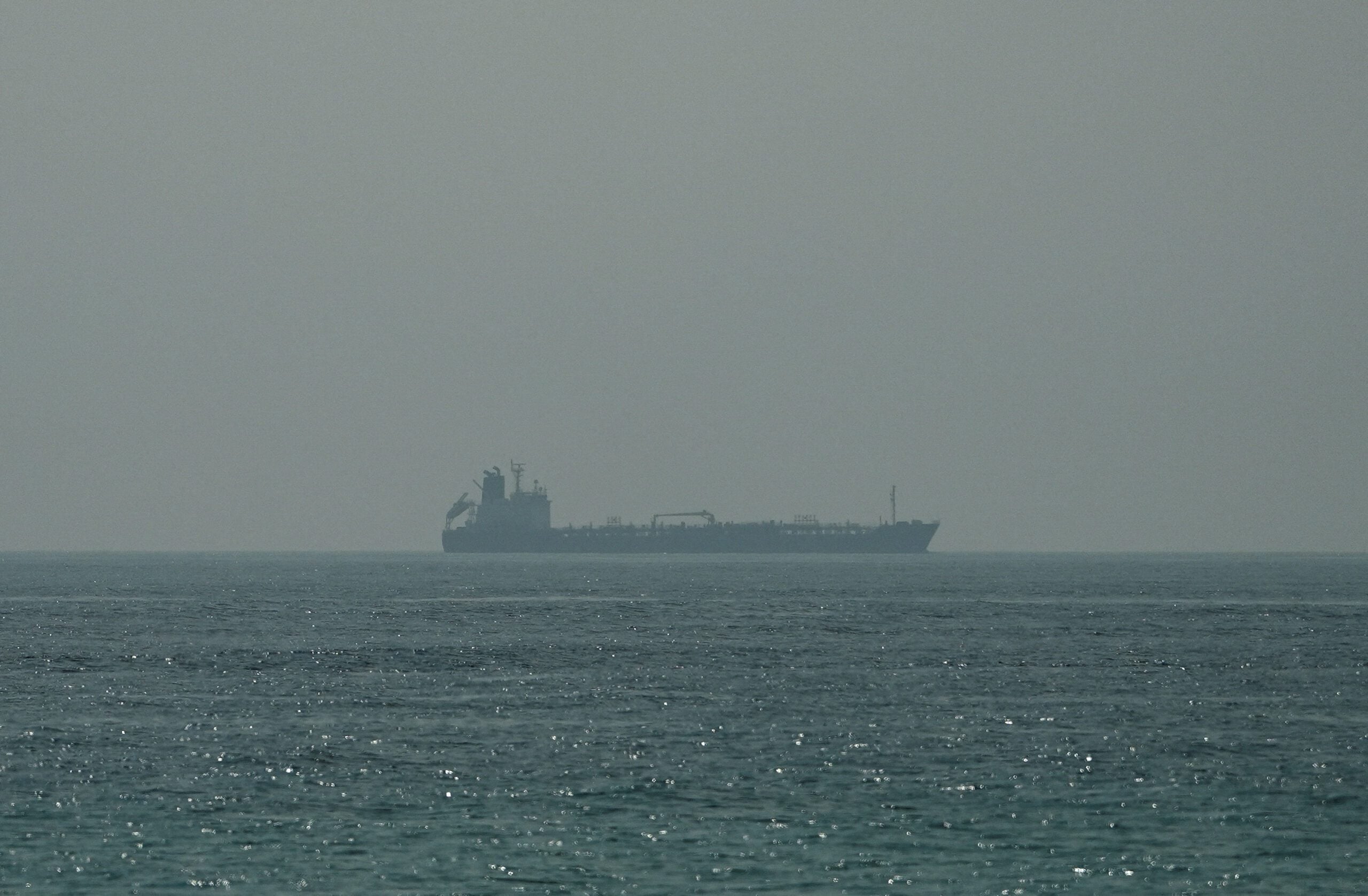
The announcement came as the United Kingdom Maritime Trade Operations (UKMTO) reported that a tanker had been struck by an unidentified projectile approximately 19 nautical miles northeast of Lima, Oman, near the strategically important Strait of Hormuz.
According to UKMTO Warning 201-26, the incident occurred at 1338 UTC on November 10. The vessel’s master reported that all crew members were safe and there was no environmental impact. A damage assessment was planned for first light.
UKMTO did not identify the tanker or establish the origin of the projectile.
It was not immediately clear whether the ADNOC incident and the strike reported by UKMTO were connected or represented separate attacks.
The latest developments follow a series of incidents along the Omani side of the Strait of Hormuz, where vessels have faced projectile strikes, fires and other hostile activity in recent days.
On November 7, a tanker caught fire approximately eight nautical miles northwest of Khasab, Oman, forcing its crew to evacuate. UKMTO initially reported the incident based on information from military authorities before subsequently reclassifying it as an attack.
Another tanker transiting outbound through the Strait of Hormuz was reportedly struck by an unidentified projectile on November 7. Its crew was reported safe, with no environmental impact.
The incidents come as maritime security authorities continue to warn of an exceptionally dangerous operating environment in and around the strait.
In its November 8 advisory, the Joint Maritime Information Center (JMIC) maintained the threat level for the Strait of Hormuz at SEVERE, warning that further deliberate attacks were highly likely.
JMIC reported five attacks off Oman’s Musandam coast between November 1 and November 5, followed by additional incidents on November 7.
The center said 177 maritime security incidents had been recorded across the wider region since March 1. That figure includes suspicious activity and military enforcement incidents, rather than attacks against merchant vessels alone.
Commercial traffic through the waterway remains far below normal levels.
According to JMIC, independent tracking indicated daily transits in the single digits to low double digits, compared with a historical average of approximately 138 vessels per day in 2025.
U.S. naval shipping coordination figures, meanwhile, indicated 91 U.S.-facilitated transits between November 5 and 7, averaging roughly 30 per day. The figures reflect different reporting systems and vessel populations and are not directly comparable.
The disruption has left large numbers of vessels waiting outside the waterway. JMIC estimated that approximately 162 ships were anchored near Fujairah and Khor Fakkan as of November 8, with additional concentrations near Sohar and Musandam.
The center warned that continued attacks, Iranian monitoring of commercial shipping and U.S. naval blockade enforcement were likely to keep shipping operators cautious and traffic depressed.
Tuesday’s reported attacks add to mounting concerns over the safety of merchant vessels and their crews in one of the world’s most important energy shipping corridors, where repeated security incidents continue to complicate commercial transit despite efforts to facilitate vessel movements.

 Join The Club