gCaptain.com

A Blog About Ships

Fastream Offshore Leaderboard


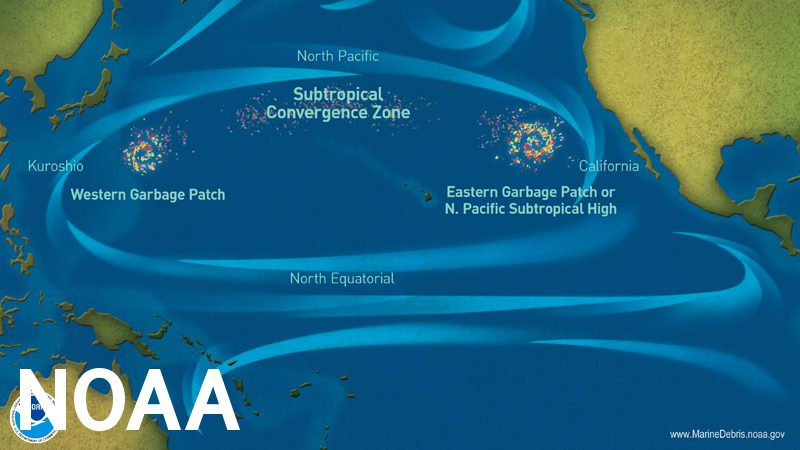
Great Pacific Garbage Patch - Mapped

August 21st, 2008 · Comments

(Source: IMC Brokers)

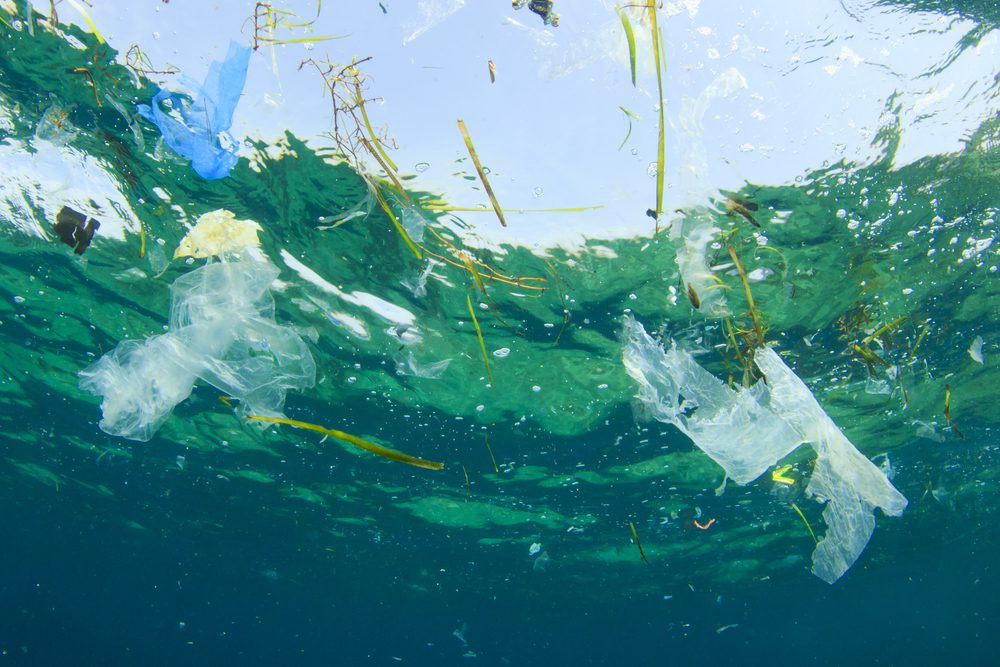
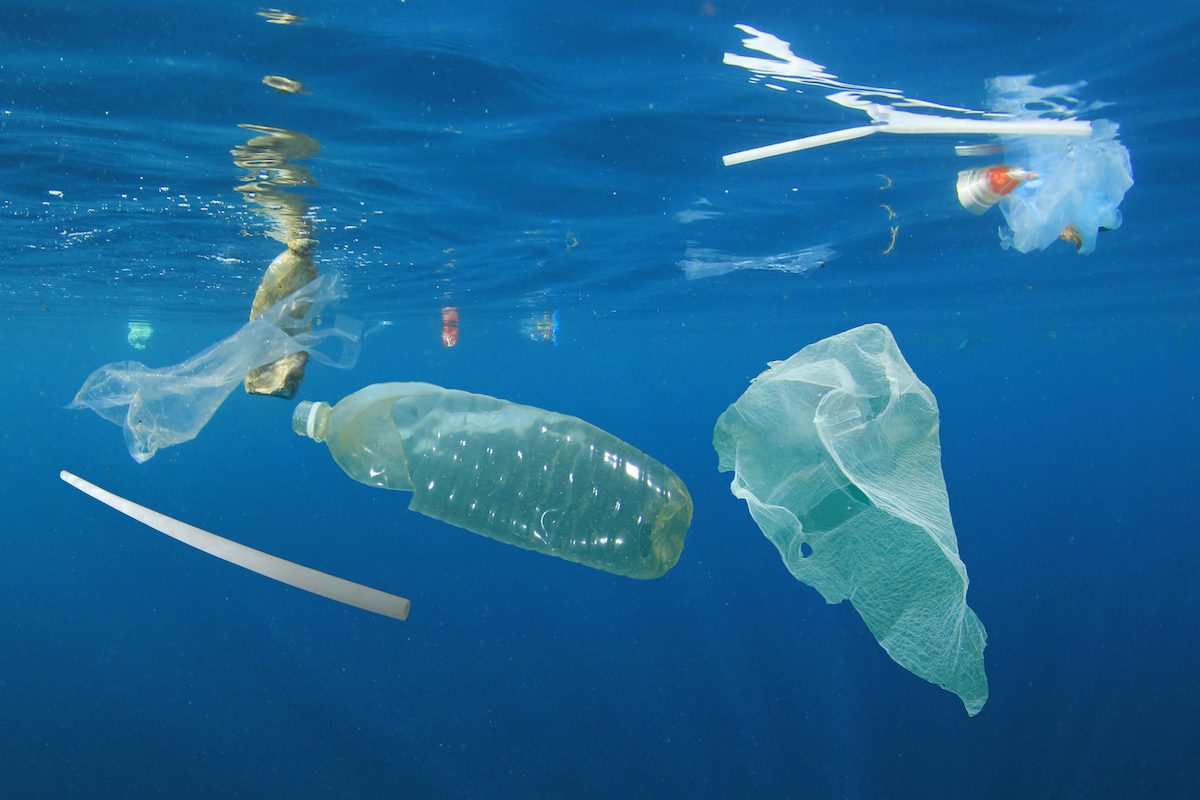
In the broad expanse of the northern Pacific Ocean, there exists the North Pacific Subtropical Gyre, a slowly moving, clockwise spiral of currents created by a high-pressure system of air currents. The area is an oceanic desert, filled with tiny phytoplankton but few big fish or mammals. Due to its lack of large fish and gentle breezes, fishermen and sailors rarely travel through the gyre. But the area is filled with something besides plankton: trash, millions of pounds of it, most of it plastic. It’s the largest landfill in the world, and it floats in the middle of the ocean.

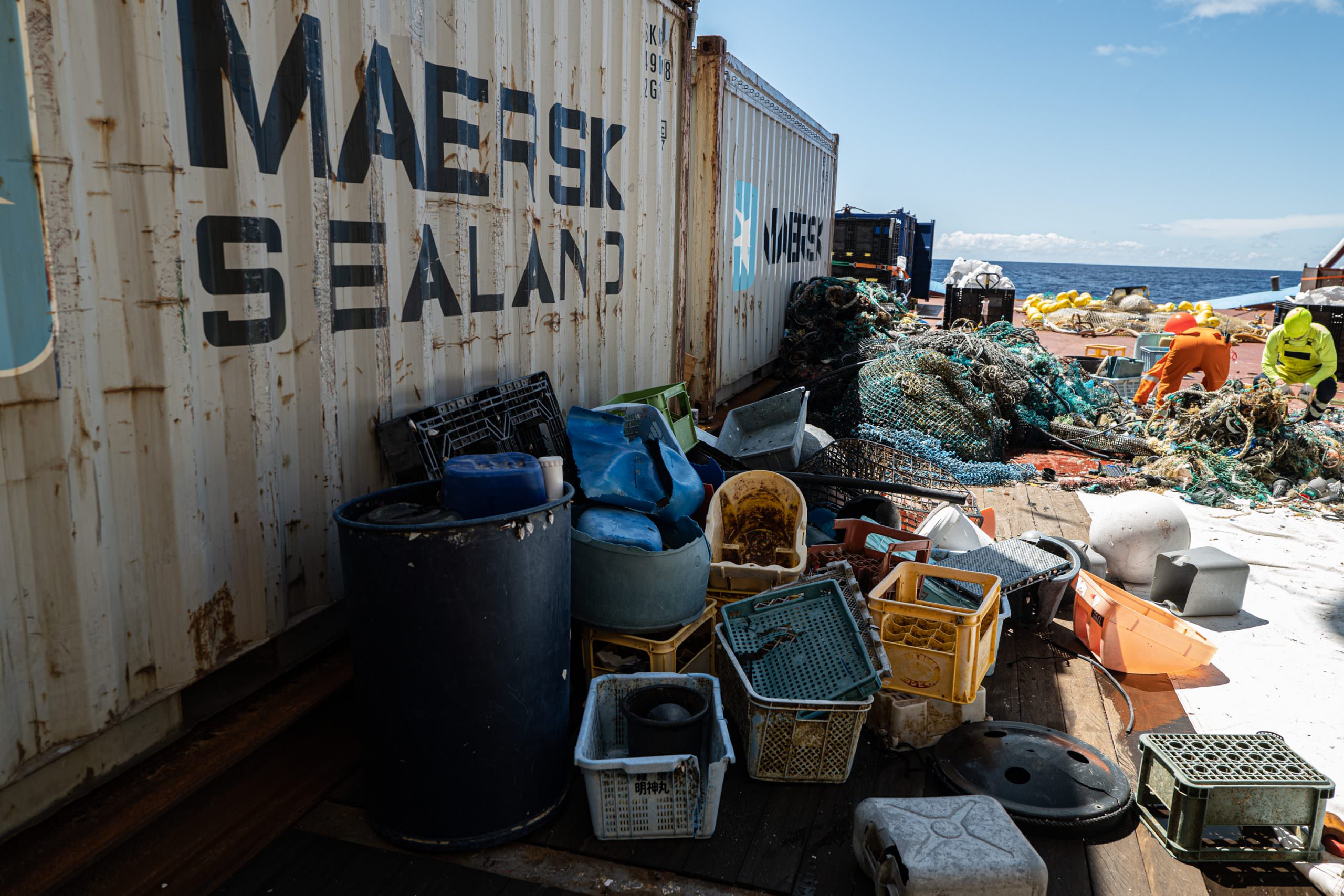
The primary sources of ocean debris include storm sewers, illegal dumping, littering, commercial and recreational boats, and commercial shipping.

The gyre has actually given birth to two large masses of ever-accumulating trash, known as the Western and Eastern Pacific Garbage Patches, sometimes collectively called the Great Pacific Garbage Patch. The Eastern Garbage Patch floats between Hawaii and California; scientists estimate its size as two times bigger than Texas. The patch is characterised by exceptionally high concentrations of suspended plastic and other debris that have been trapped by the currents of the North Pacific Gyre.

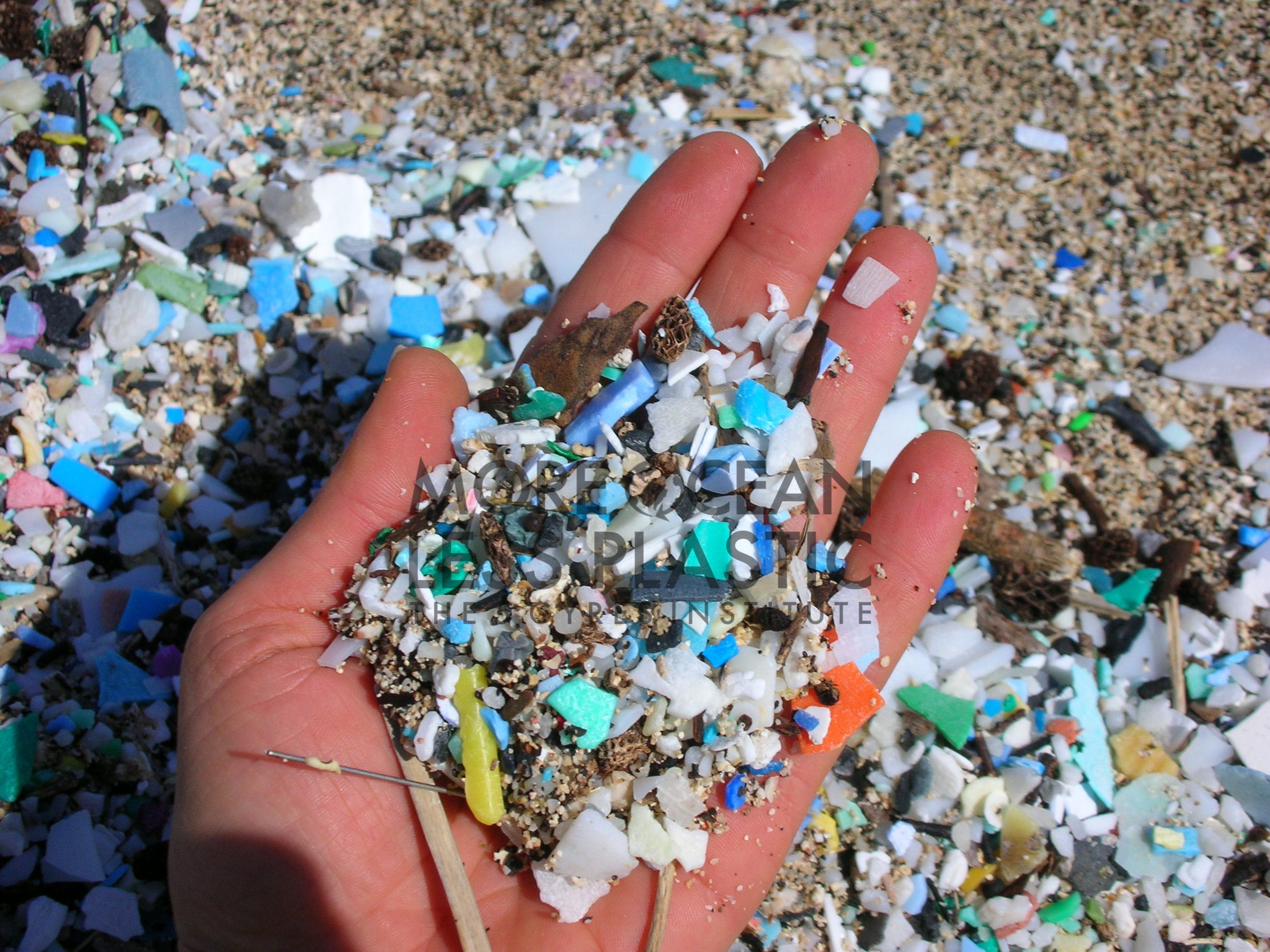
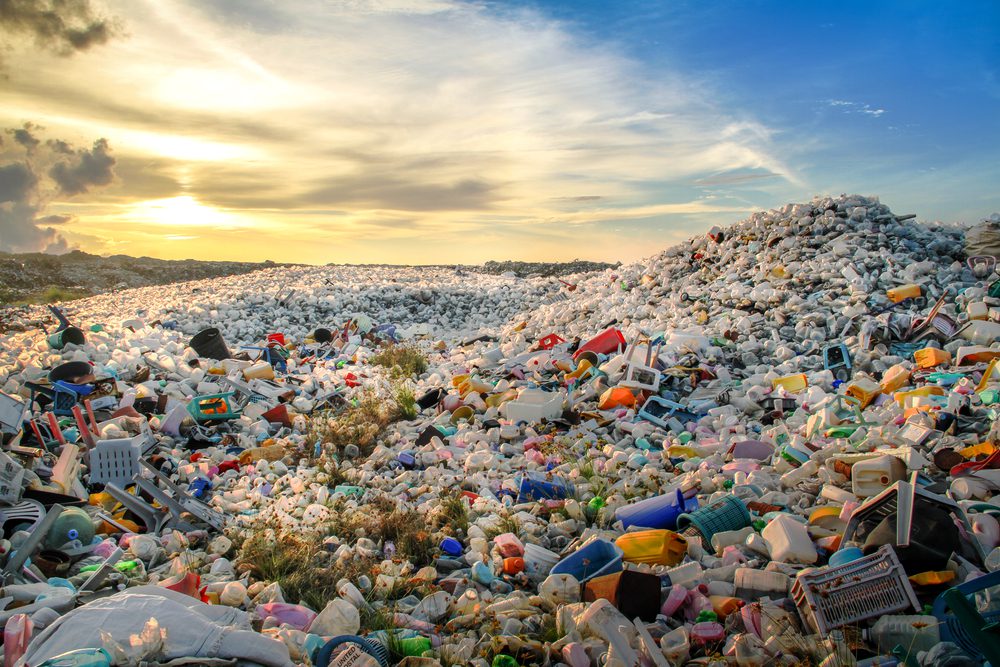
The main problem with plastic — besides there being so much of it — is that it doesn’t biodegrade. No natural process can break it down. (Experts point out that the durability that makes plastic so useful to humans also makes it quite harmful to nature.) Instead, plastic photodegrades. A plastic cigarette lighter cast out to sea will fragment into smaller and smaller pieces of plastic without breaking into simpler compounds, which scientists estimate could take hundreds of years. The small bits of plastic produced by photodegradation are called mermaid tears or nurdles.

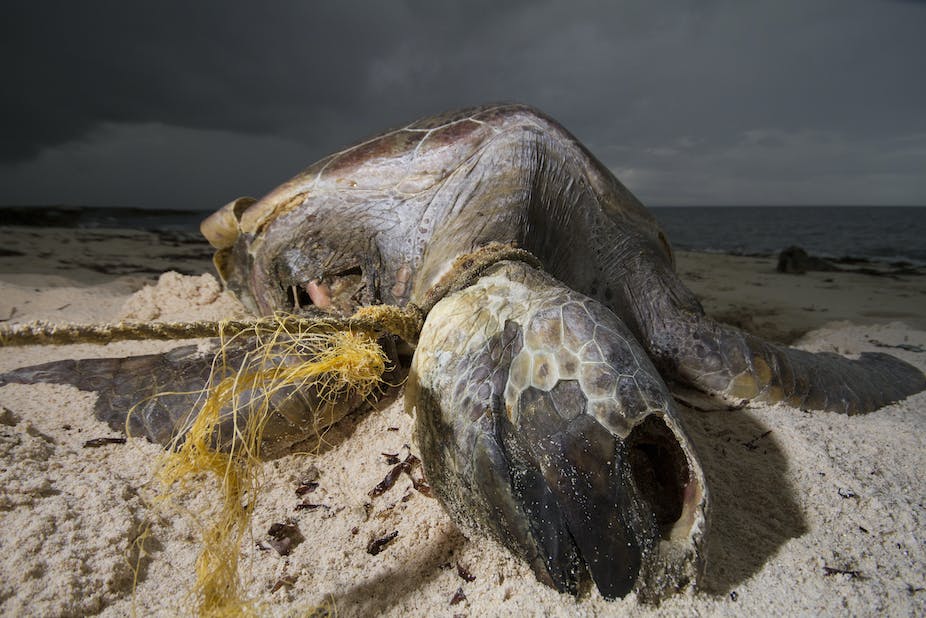
Besides the obvious affects this has on both marine life and tourism, another question that presents itself is how do we clean this up?

This question is yet to be answered.  For now, experts say the best approach we have is not to clean it up at all, but to keep it from growing.

Other good reads on this subject:

HowStuffWorks

ABC News

CommentsTags: · , , , , , ,

Rubbish Soup - Plastic At Sea

February 7th, 2008 · Comments

Plastic At Sea - Rubbish Soup

Bitterend found this great image of so called “Rubbish Soup”. They tell us;

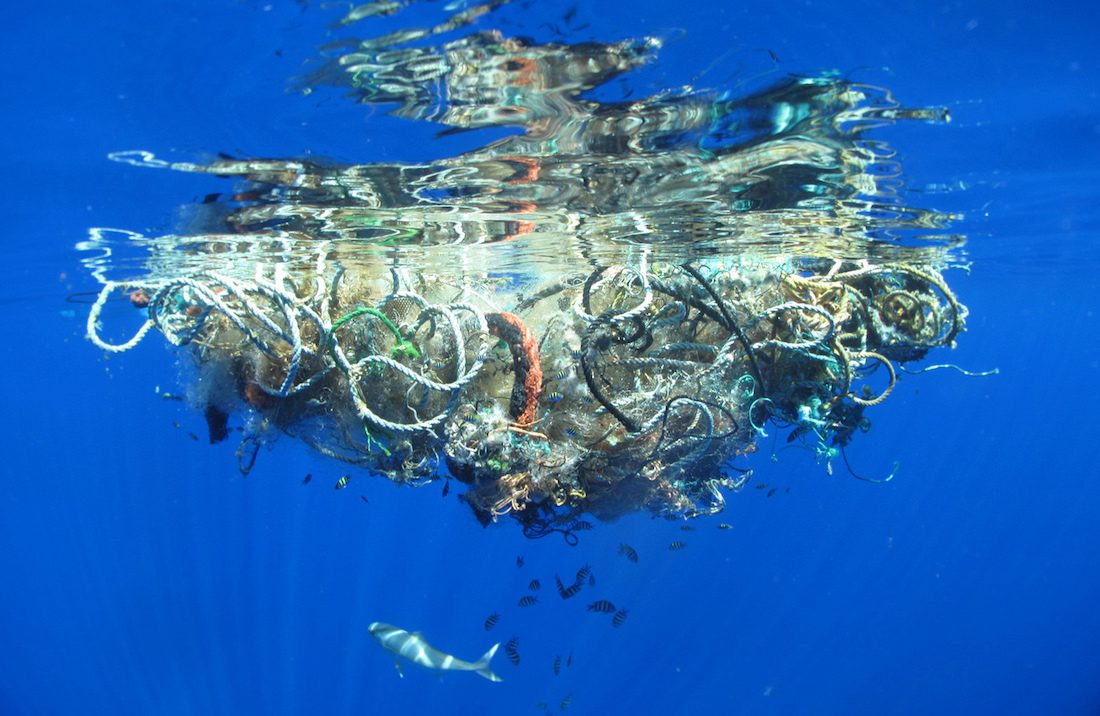
“The vast expanse of debris – in effect the world’s largest rubbish dump – is held in place by swirling underwater currents. This drifting “soup” stretches from about 500 nautical miles off the Californian coast, across the northern Pacific, past Hawaii and almost as far as Japan.” “The UN Environment Programme estimated in 2006 that every square mile of ocean contains 46,000 pieces of floating plastic.”

Click the image for the full sized version, click HERE for an alternate version then view the related article HERE.

Thanks Richard!

CommentsTags: · , , , ,


Comments

Popular Topics


Sponsors


Maritime and Offshore Recruitment


Spurs

Mariner Taxes Logo

Mariner Taxes


The Maritime Executive Magazine


Your Ad Here


Authors


Follow Us


Categories


Recent Posts


Popular

Shipping Archives

Read A Random Story