Photo of UK windmills by electropodDusseldorf – German consumers are paying millions of euros to link the national power grid to windmills in the North Sea that haven’t yet been built, grid operator TenneT TSO GmbH said.
TenneT, responsible for connecting offshore wind farms in the North Sea to Germany’s grid, said the rules on wind-farm development have forced it to build cables to turbines that haven’t been built. The BorWin1 transformer station only has turbines for about a third of its planned 400-megawatt capacity, said Lex Hartman, a member of the company’s management board.
“The grid operator has to build a connection, but developers are not obliged to build afterwards,” Hartman said in a phone interview. It costs more than 1 billion euros ($1.29 billion) to connect 1,000 megawatts, he said.
“In case of doubt the electricity consumer has to pay for stranded investments,” Hartman said, predicting a “considerable public dispute.”
The overspend on wind-farm grid connections comes at time when German households and businesses are preparing to foot the bill for the replacement of nuclear reactors with renewable energy. The country will spend 20 billion euros next year on renewables, Jochen Homann, head of the Bundesnetzagentur grid regulator, said in an Oct. 9 newspaper report.
Binding Planning
“It’s possible that billions of euros are invested in vain,” Christian Rehtanz, who heads the Institute of Energy Systems, Energy Efficiency and Energy Economics at the Technical University of Dortmund, said by phone. “Grid operators need a more binding planning of the wind-park projects.”
TenneT, whose power lines stretch from Germany’s North Sea coast to the Austrian border south of Munich and serve about 20 million people, has committed to invest about 6 billion euros linking 5,500 megawatts of offshore wind farms in Germany. It’s currently building six high-voltage, direct-current facilities.
Under today’s rules, a wind-farm developer need only commit 10 million euros to a project before the grid operator is obliged to provide a connection large enough to cope with the project’s maximum size.
“It doesn’t work,” Hartman said. “At worst we have either platforms without windmills or windmills without platforms and if we have both we don’t have a grid to transport.”
TenneT will have enough capacity to connect 11,000 megawatts of wind turbines by 2022, while Hartman predicts only 7,000 megawatts will be built.
Germany’s federal government may change the regulation of wind-farm links. A draft bill endorsed by Chancellor Angela Merkel’s cabinet in August would allow another wind-farm developer to use an existing connection that hasn’t been used. German lawmakers are scheduled to vote in November.
This article was written by Tino Andresen for Bloomberg News.
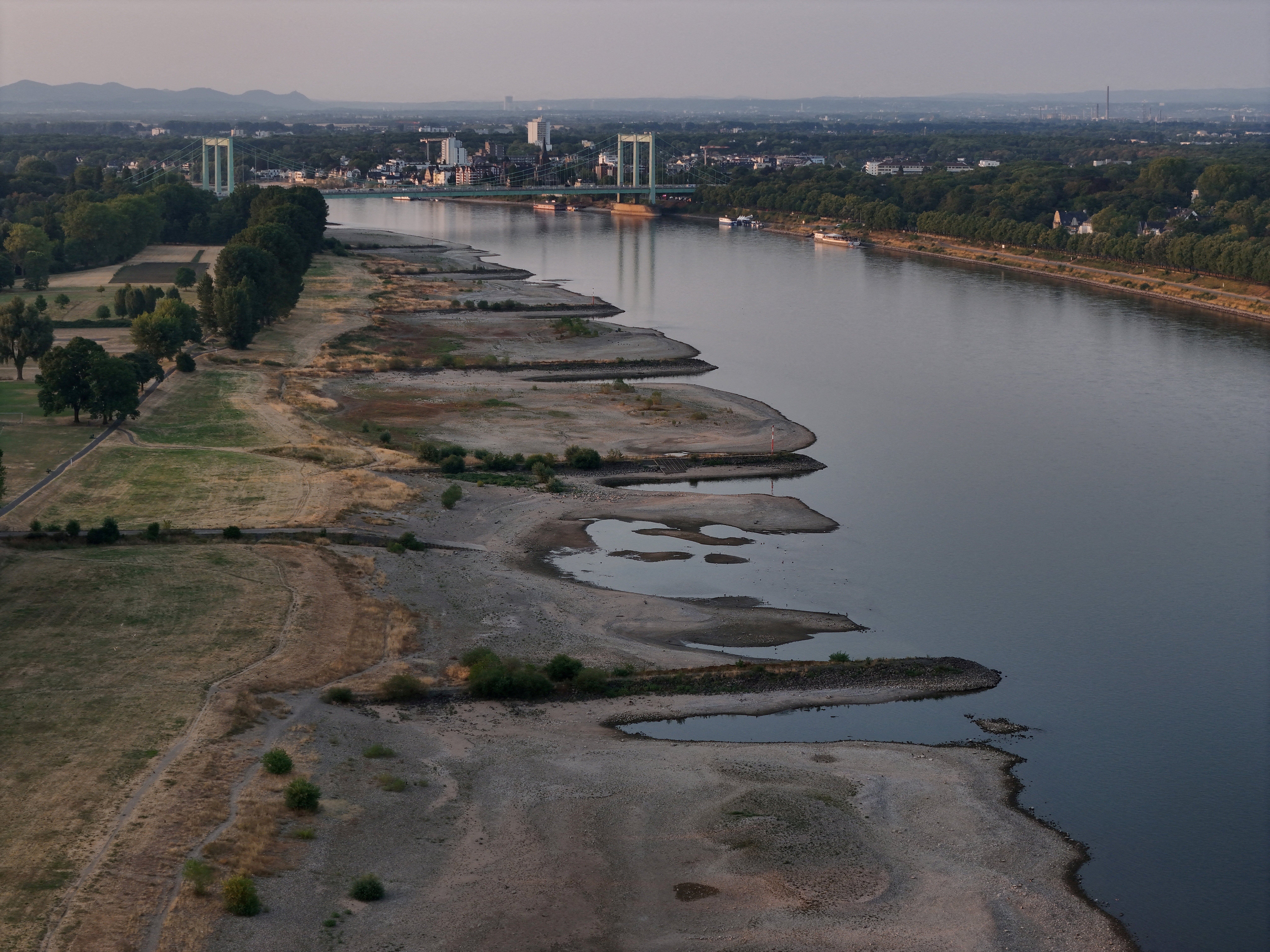
Water levels in the Rhine River plummeted to record lows over the weekend, threatening transport on a key shipping corridor for energy and industrial commodities across central Europe.
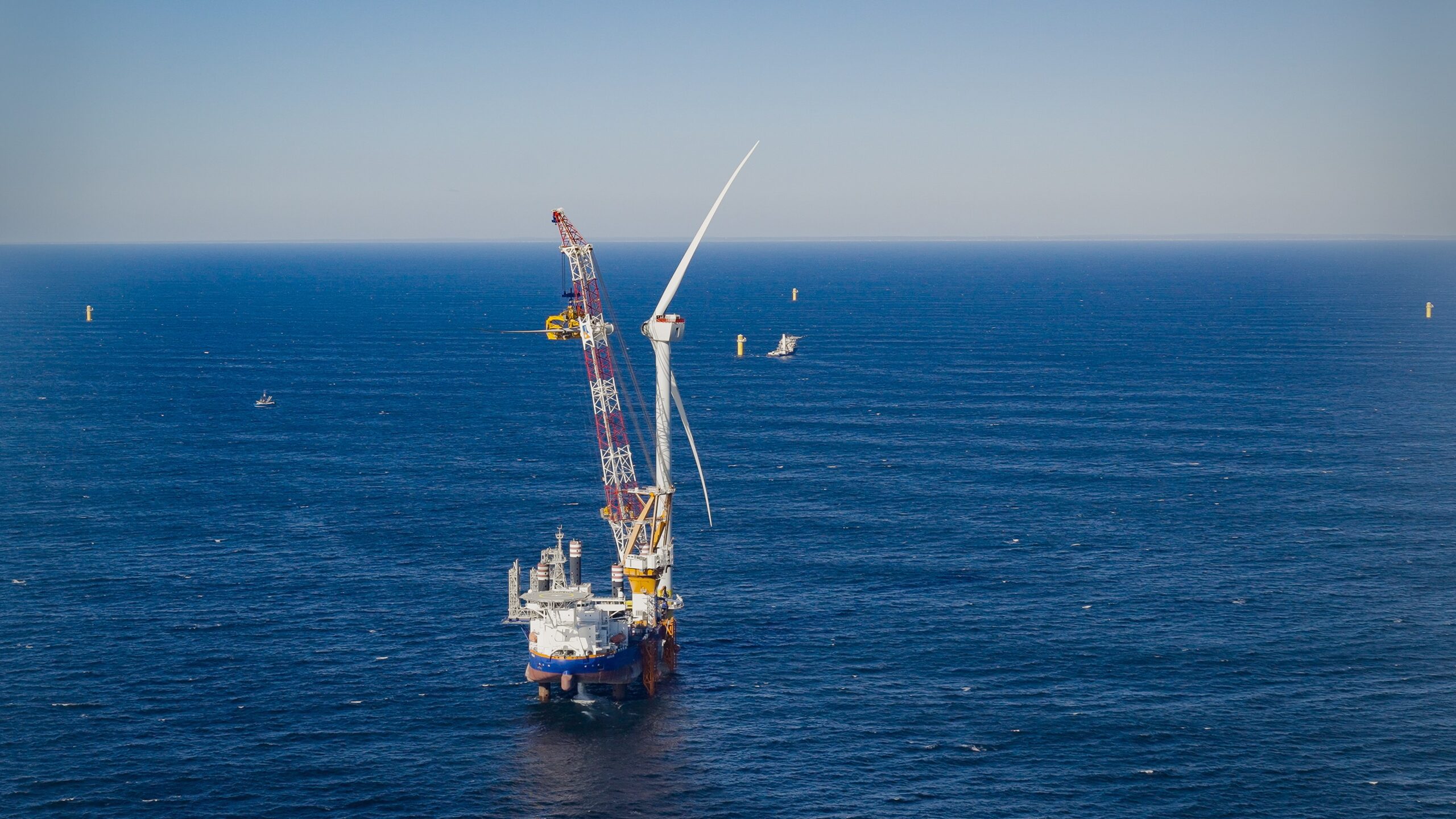
New York is leading a coalition of states in two new lawsuits challenging Trump administration agreements that would cancel offshore wind leases and redirect roughly $1.4 billion toward liquefied natural...
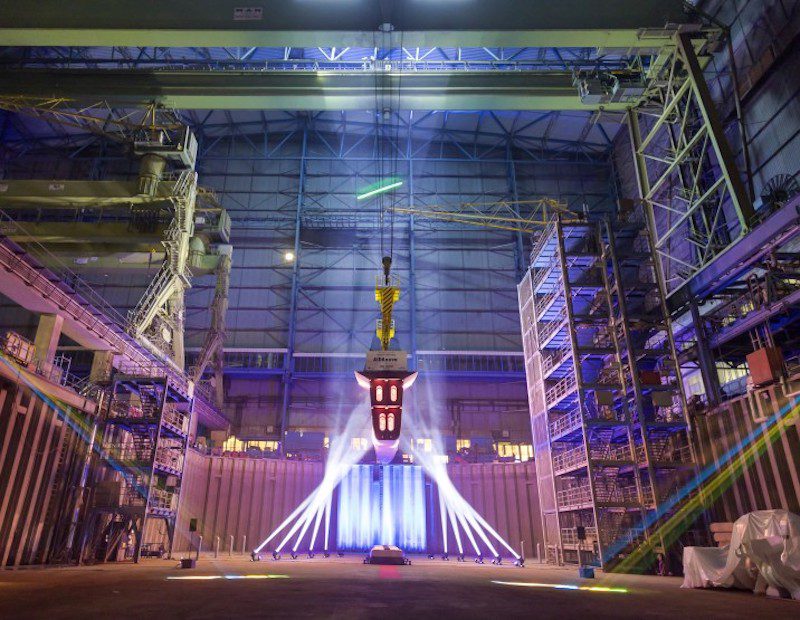
MSC Mediterranean Shipping Co. is in talks to acquire the roughly 80% stake in German cruise-ship builder Meyer Werft GmbH held by the federal government and the state of Lower Saxony, according to people familiar with the matter.
September 21, 2026
Total Views: 1383
Get The Industry’s Go-To News
Subscribe to gCaptain Daily and stay informed with the latest global maritime and offshore news
— just like 106,954 professionals
Secure Your Spot
on the gCaptain Crew
Stay informed with the latest maritime and offshore news, delivered daily straight to your inbox
— trusted by our 106,954 members
Your Gateway to the Maritime World!
Essential news coupled with the finest maritime content sourced from across the globe.

 Join The Club