Eight U.S. Marines were injured when an Iranian cruise missile struck a vessel they were operating aboard in the Strait of Hormuz earlier this month, according to a previously unreported incident disclosed by NBC News.
The Sept. 14 attack injured seven enlisted Marines and one officer, NBC News reported, citing three U.S. officials. The Marines suffered smoke inhalation and possible traumatic brain injuries after showing concussion symptoms, including headaches. None was seriously injured, and all eight returned to duty shortly afterward.
The Marines were serving as part of a battalion landing team, a Marine infantry formation capable of conducting amphibious and maritime operations. Officials said the vessel hit by the missile was not a U.S. Navy ship but declined to identify it, describing it only as a “maritime vessel.”
The attack was not publicly disclosed by the Pentagon at the time.
The eight Marines were added roughly 10 days later to the Pentagon’s casualty database, which as of Wednesday listed 861 U.S. service members wounded since the war with Iran began. The increase also included 29 Navy sailors whose injuries were added to the tally this week.
U.S. Central Command declined to comment on the Sept. 14 incident, according to NBC.
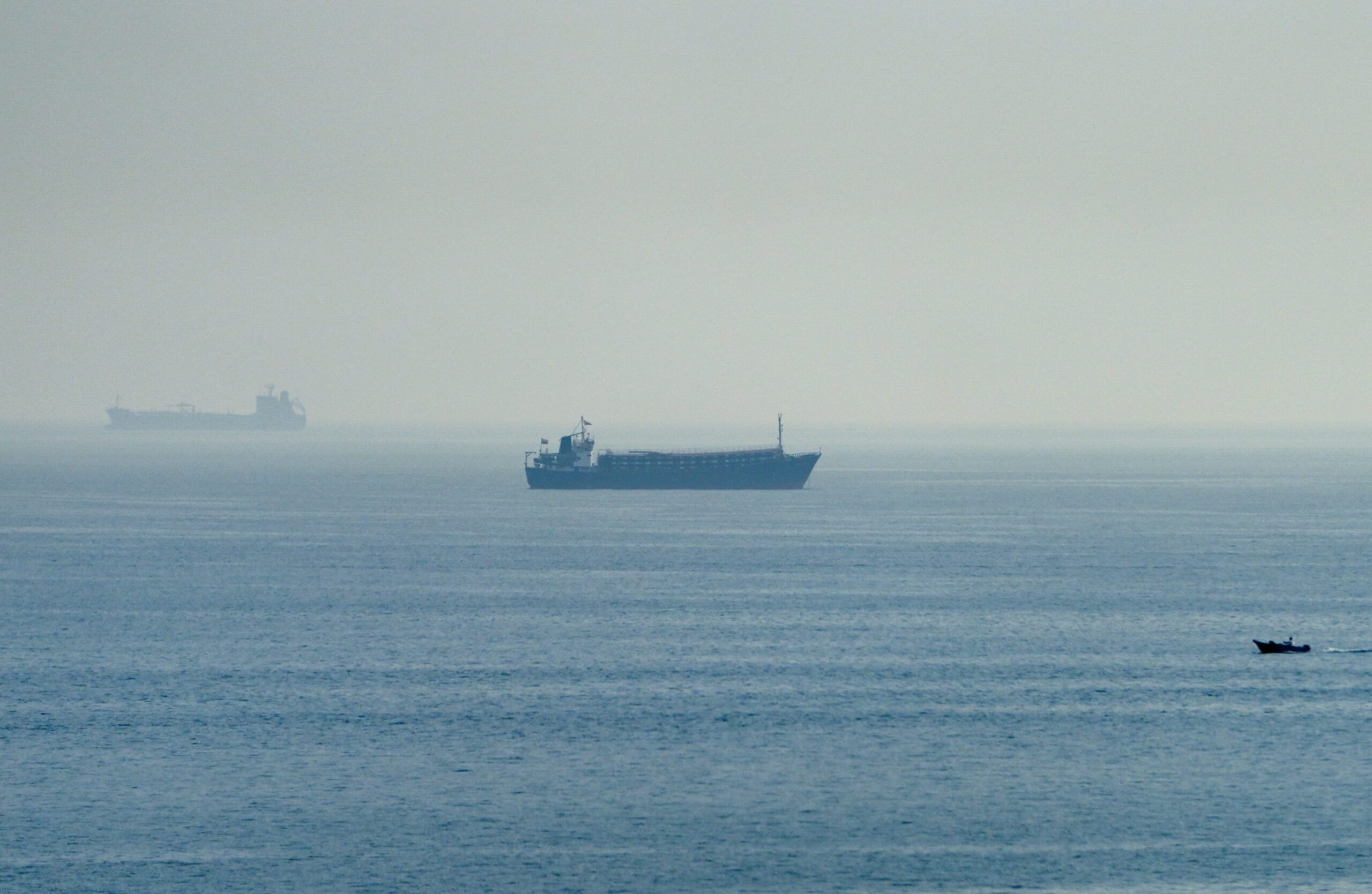
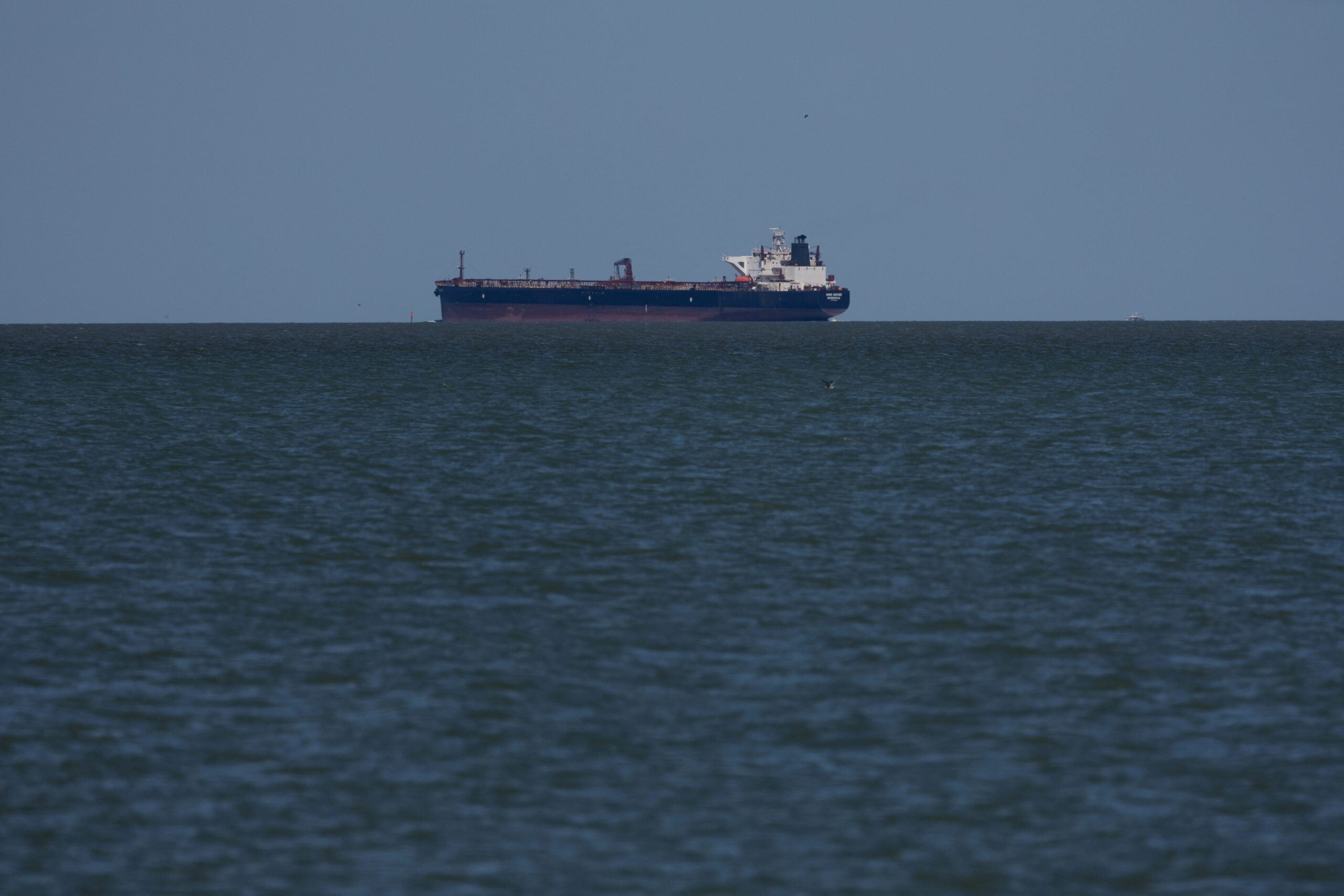
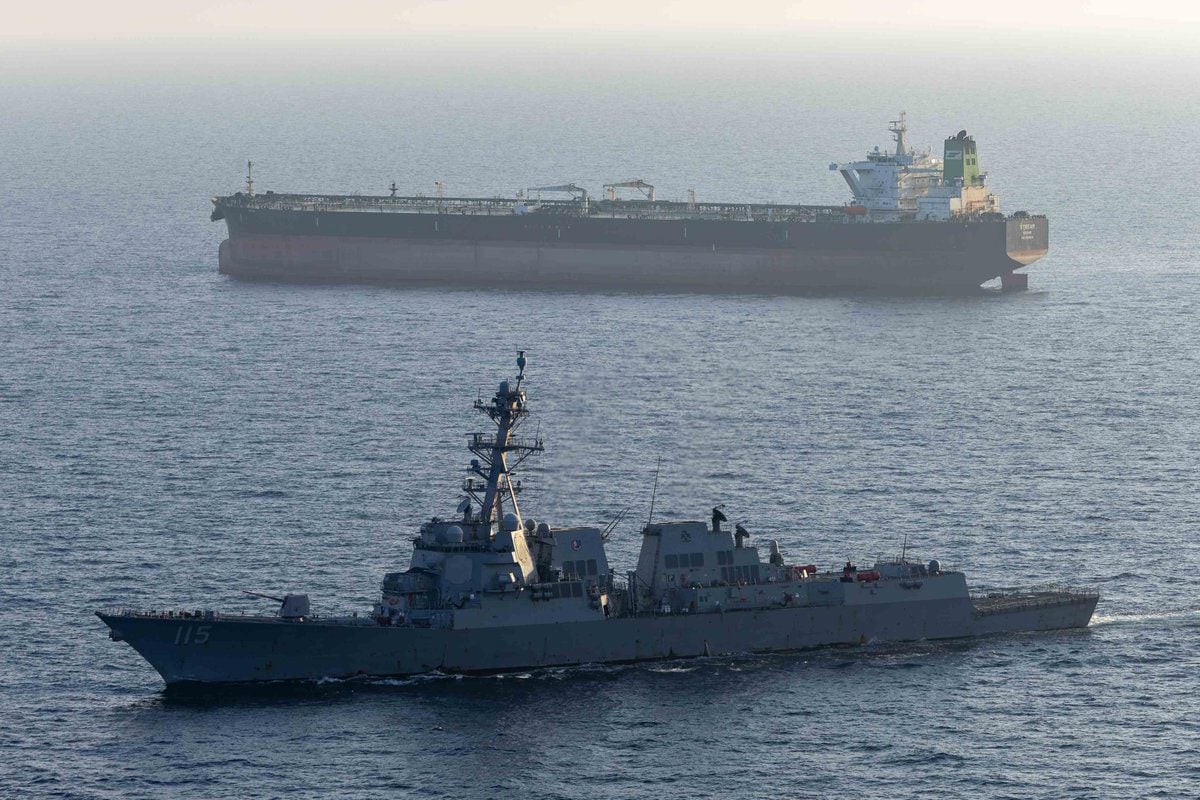
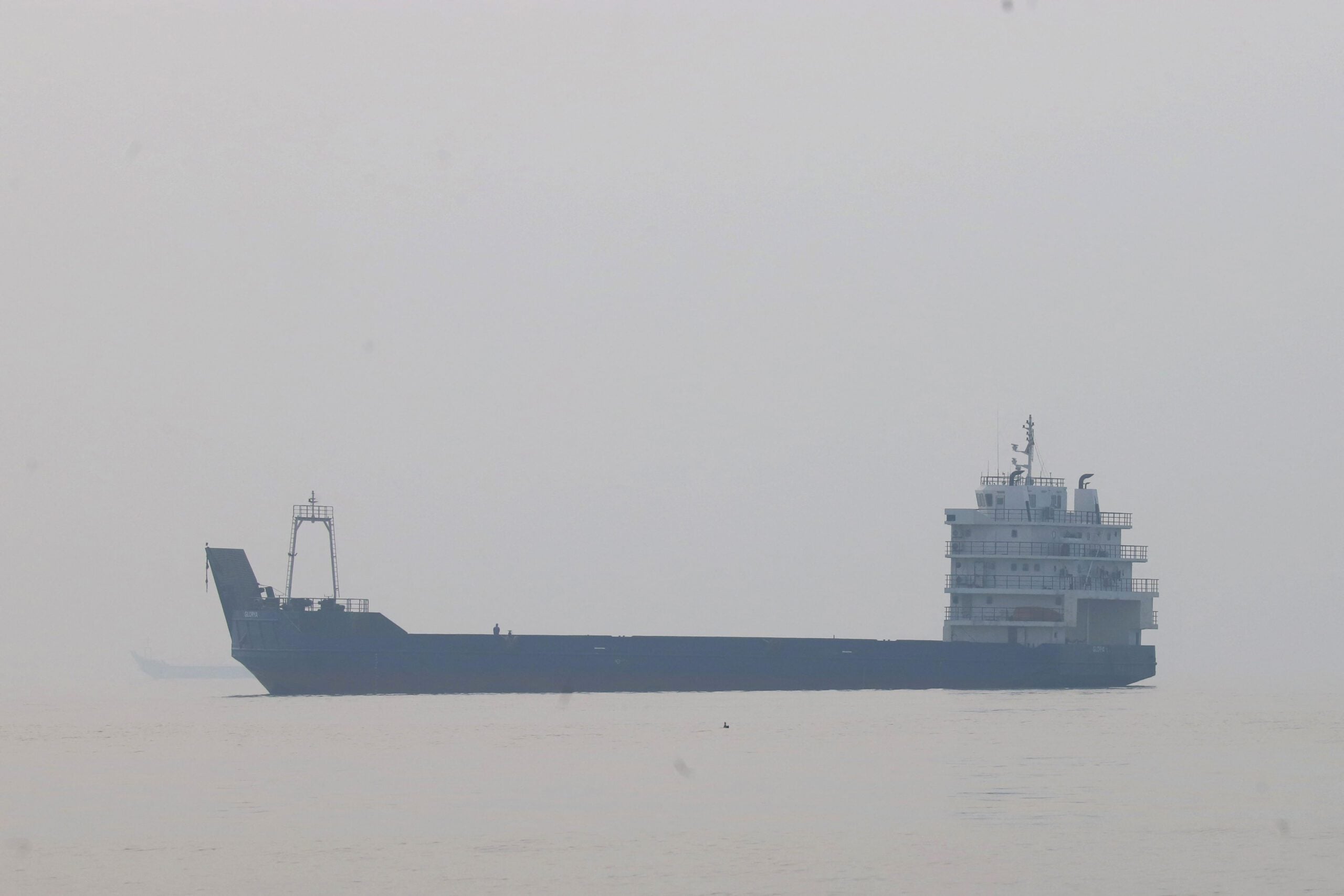
The disclosure comes as the Strait of Hormuz remains one of the most dangerous areas for commercial and military shipping in the region.
The latest Joint Maritime Information Center advisory, issued Sept. 27, continues to rate the threat in the strait as SEVERE, saying deliberate hostile action remains “highly likely” under current conditions.
Iranian state media on Sunday claimed its forces had targeted or intercepted 19 ships over the previous two nights after the vessels attempted to use routes Tehran considers unauthorized. Fars News Agency said 12 vessels were targeted Friday and another seven Saturday, but did not identify the ships or provide their flags, cargoes or destinations. The claims have not been independently verified.
Notably, JMIC reported no confirmed attacks or disruptions in the Strait of Hormuz during the same latest 72-hour reporting period, although it said Iranian harassment, UAV activity and targeted surveillance of merchant shipping continued.
CENTCOM, meanwhile, rejected a claim from a senior Islamic Revolutionary Guard Corps commander that Iran had established full control over the strait. The command said thousands of vessels and more than 1 billion barrels of oil have moved through the waterway in recent months, pointing to those flows as evidence that Tehran does not control passage. CENTCOM has previously said U.S. forces assisted more than 2,000 commercial vessel transits during the conflict.
The newly disclosed Sept. 14 missile strike, however, provides another indication of the continuing risks facing vessels operating inside the strait even as U.S.-facilitated traffic increases.

 Join The Club