An innovative ferry-to-floatel conversion proves that zero-emission hotel loads are a reality today, offering cruise and ferry operators a highly efficient, scalable alternative to traditional oil-fired boilers and fossil fuel-dependent chillers
The maritime industry is under pressure to decarbonise and this is especially the case for the ferry and cruise shipping sectors, where hotel load demands are exceptionally high. However, while much of the conversation has focused on the adoption of alternative fuels, the transformation of a former passenger ferry shows that the technology to eliminate the emissions generated by onboard heating and cooling systems is already here.
As part of an extensive retrofit programme led by maritime repair and retrofit specialist SRC Group, a traditional European cruise ferry was converted into a state-of-the-art floating accommodation unit, now located off Canada and housing 700 construction project workers.
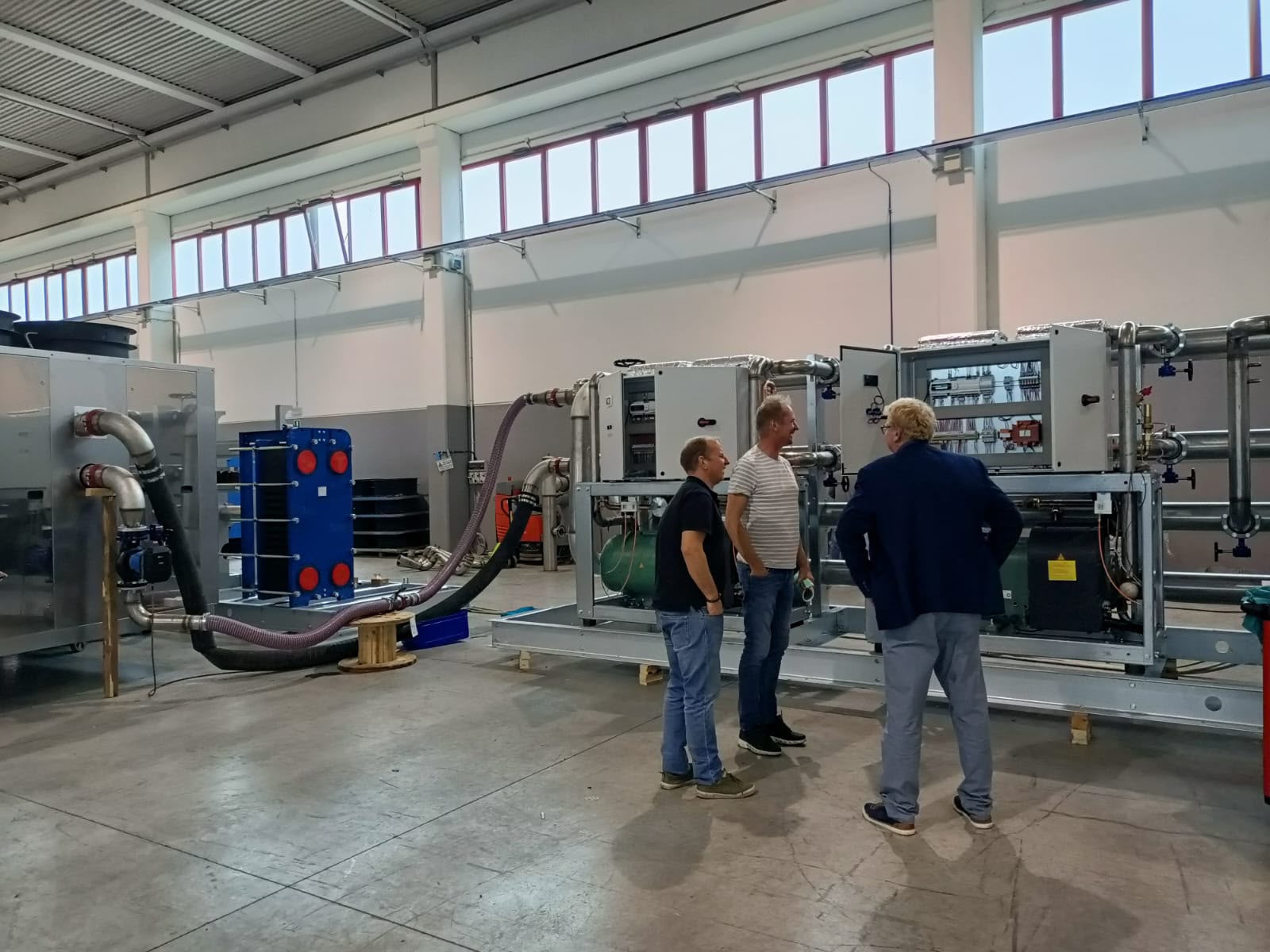
While the interior arrangement is impressive – with all 700 single cabins equipped with desks and TVs, alongside a gym space – the real innovation can be found below-deck, where six electric heat pumps draw energy directly from the sea. As such, these specially developed pumps eliminate reliance on oil-fired boilers, conventional chillers and effective but scarce shoreside battery-charging stations.
Thermal power
Initially, SRC Group considered air-source systems for the floatel. This option was ruled out, however, in part because the only practical space for these bulky units would have been on the upper decks. Alex Vainokivi, Innovation Manager, SRC Group, adds: “Locating the air-source systems in that vessel section would have eaten into valuable passenger space and altered the ship’s profile. Instead, our engineers installed six seawater-sourcing pumps on the vessel’s former car deck, in proximity to the engine room’s existing pipework.”
The combined heat pumps, custom-built by SRC Group partner Energy Transfer, provide the floatel with 3,000 kW of thermal power. “The pumps extract energy from 7°C seawater and use it to provide onboard heating at up to 60°C in winter conditions,” Vainokivi explains. “Our heat pumps feature inverter-controlled Bitzer screw compressors and fully brazed plate heat exchangers, all managed by a DUC automation system that controls the flow temperature based on outside conditions.”
The system relies on corrosion-resistant, titanium heat exchangers to circulate a glycol-water loop. In winter, it draws natural warmth from the seawater to heat the ship; in summer, it reverses the process to dump indoor heat back into the ocean for the AC. The result is flexible temperature control all year round, and across various climates.
A scalable blueprint
Since the converted ferry project was successfully completed, SRC Group has officially partnered with Energy Transfer and is now offering these fully electric, modular heat pump solutions for both newbuilds and retrofits.
For cruise and ferry operators looking to substantially reduce their carbon footprints, the heat pump system’s cost and efficiency benefits could prove just as appealing as its environmental advantages. “Under favourable conditions, the pumps deliver 11 kW of combined thermal output for every 1 kW of electrical input,” Vainokivi says. “With a thermal capacity range spanning 200 kW to at least 3 MW, the technology provides a realistic path to zero-emission hotel loads.”
As a result of this high-efficiency ratio, shipowners could realise a return on investment within just two years, SRC Group calculates. The ability to scale the heat pumps, along with plans to surpass the current 3 MW upper limit, gives even the largest behemoths in the cruise and ferry segments the opportunity to radically cut their emissions without exorbitant investment in alt-fuels, and without compromising the full ‘onboard experience’ passengers have come to expect.
Tags:

 Join The Club