Several tankers operated by Turkey’s Besiktas Likid, the operator of the Mersin, were sanctioned by Ukraine in the past for their involvement in ship-to-ship transfers linked to the so-called dark fleet, according to shipping records and Ukrainian government listings.
Sanctions records show Besiktas-operated ships were cited for participating in nighttime transfers and voyages with limited transponder visibility – practices associated with the shadow fleet’s efforts to move Russian crude outside Western oversight. Ukraine sanctioned two of the company’s vessels for supporting Russia’s oil export system by conducting opaque STS operations in the Black Sea and the eastern Mediterranean.
The company’s tanker Esentepe engaged in deceptive, high-risk practices transferring crude oil to sanctioned vessels during STS operations. It also carried crude oil for Russian firms Lukoil and Rosneft after the implementation of the price cap policy. Similarly, BesiktasKocatepe disabled its Automatic Identification System (AIS) transponder in support of dark activities near Russian ports, and conducted ship-to-ship (STS) transfers in the vicinity of Cyprus, records show.
While the Mersin itself was not sanctioned, shipping databases show the vessel has repeatedly carried Russian crude. The vessel visited ports in both the Baltic and Black Seas carrying Russian cargoes to Brazil and Turkey. Mersin traveled to Taman in August, Novorossiysk and Tuapse in June, all in the Black Sea, and Ust-Luga in the Baltic Sea in February, vessel tracking data show.
Besiktas owns or operates several other oil tankers of the same size with similar shipping history visiting key Russian oil ports in the Baltic and Black Seas. Tanker Hatay departed from Primorsk just last week, Harbiye and Turkeli departed from Novorossiysk in October and June.
Analysts say the company’s broader fleet patterns – including repeated liftings of Russian oil from Baltic and Black Sea ports – place it in the same commercial ecosystem as operators that facilitate Russia’s sanctioned energy flows. Several vessel tracking sites highlight Mersin’s potential sanctions risk due to its repeated port calls in Russian waters.
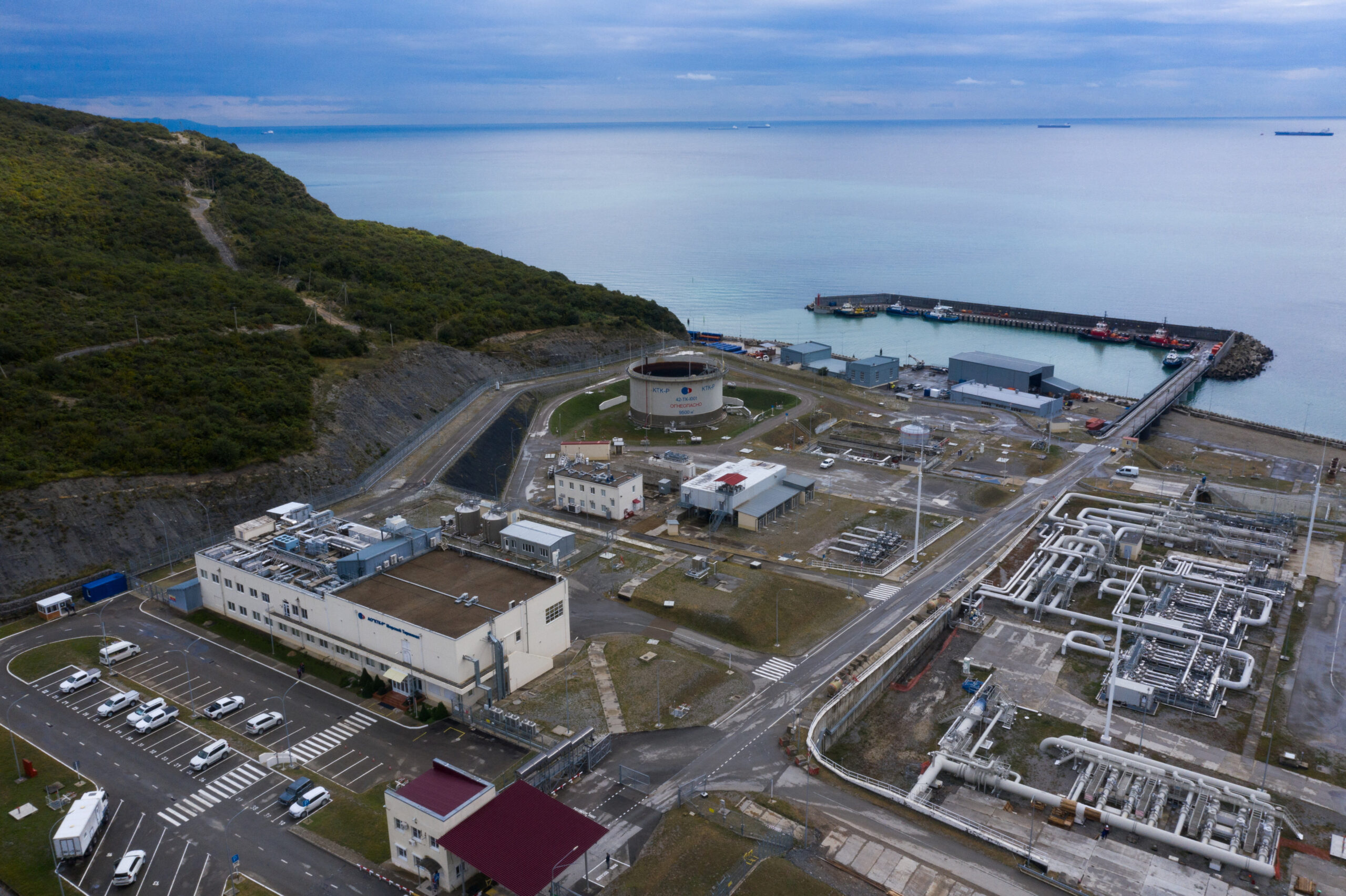
The Kremlin said on Monday that a Ukrainian weekend attack on Caspian Pipeline Consortium (CPC) infrastructure was outrageous given its international significance and international participation.
DAKAR, Nov 30 (Reuters) – Senegalese authorities are racing to prevent a potential oil spill after water entered the engine room of the Panamanian-flagged oil tanker Mersin near Dakar’s coast, the port authority said...
The owners of the containership ONE Henry Hudson have declared General Average following a multi-day fire at the Port of Los Angeles, adding a financial layer to what officials are...
November 30, 2025
Total Views: 1746
Get The Industry’s Go-To News
Subscribe to gCaptain Daily and stay informed with the latest global maritime and offshore news
— just like 107,016 professionals
Secure Your Spot
on the gCaptain Crew
Stay informed with the latest maritime and offshore news, delivered daily straight to your inbox
— trusted by our 107,016 members
Your Gateway to the Maritime World!
Essential news coupled with the finest maritime content sourced from across the globe.

 Join The Club