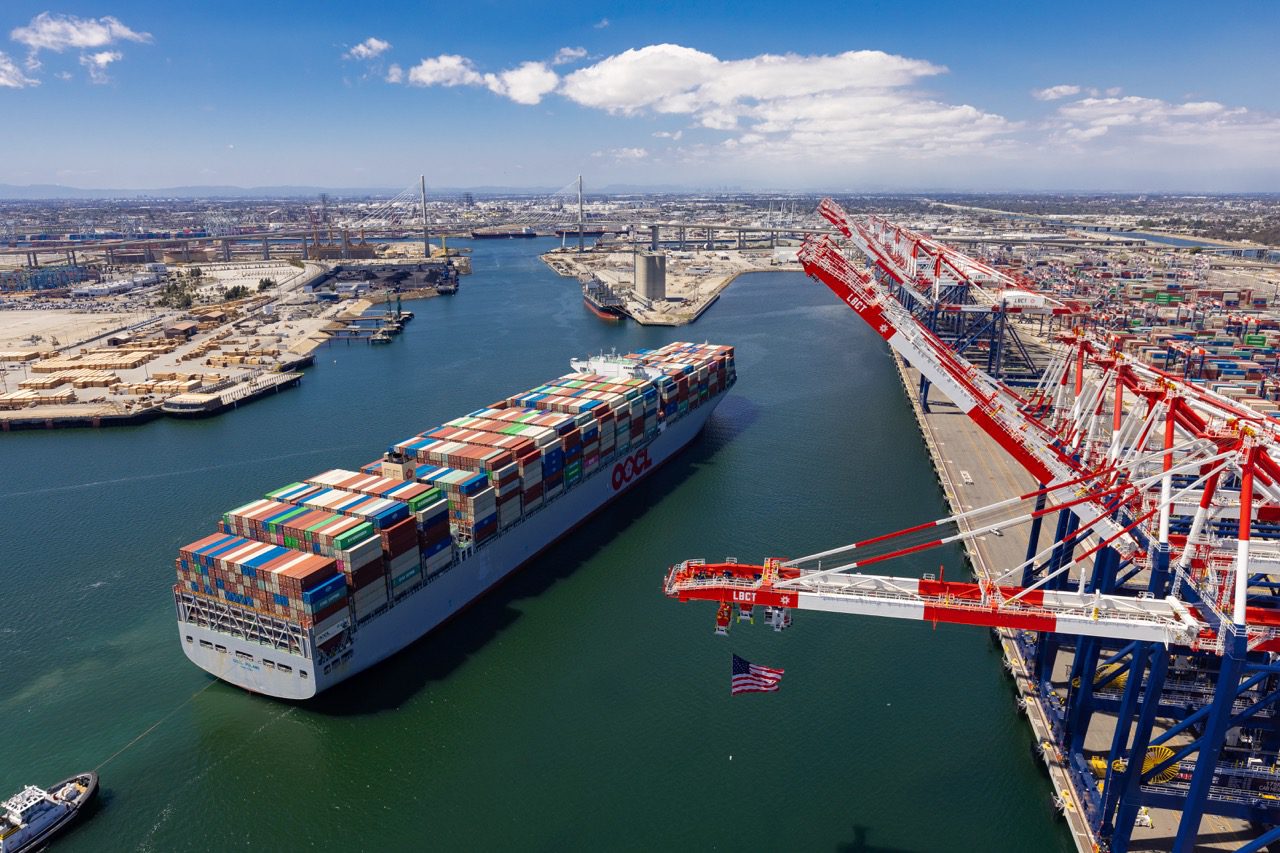
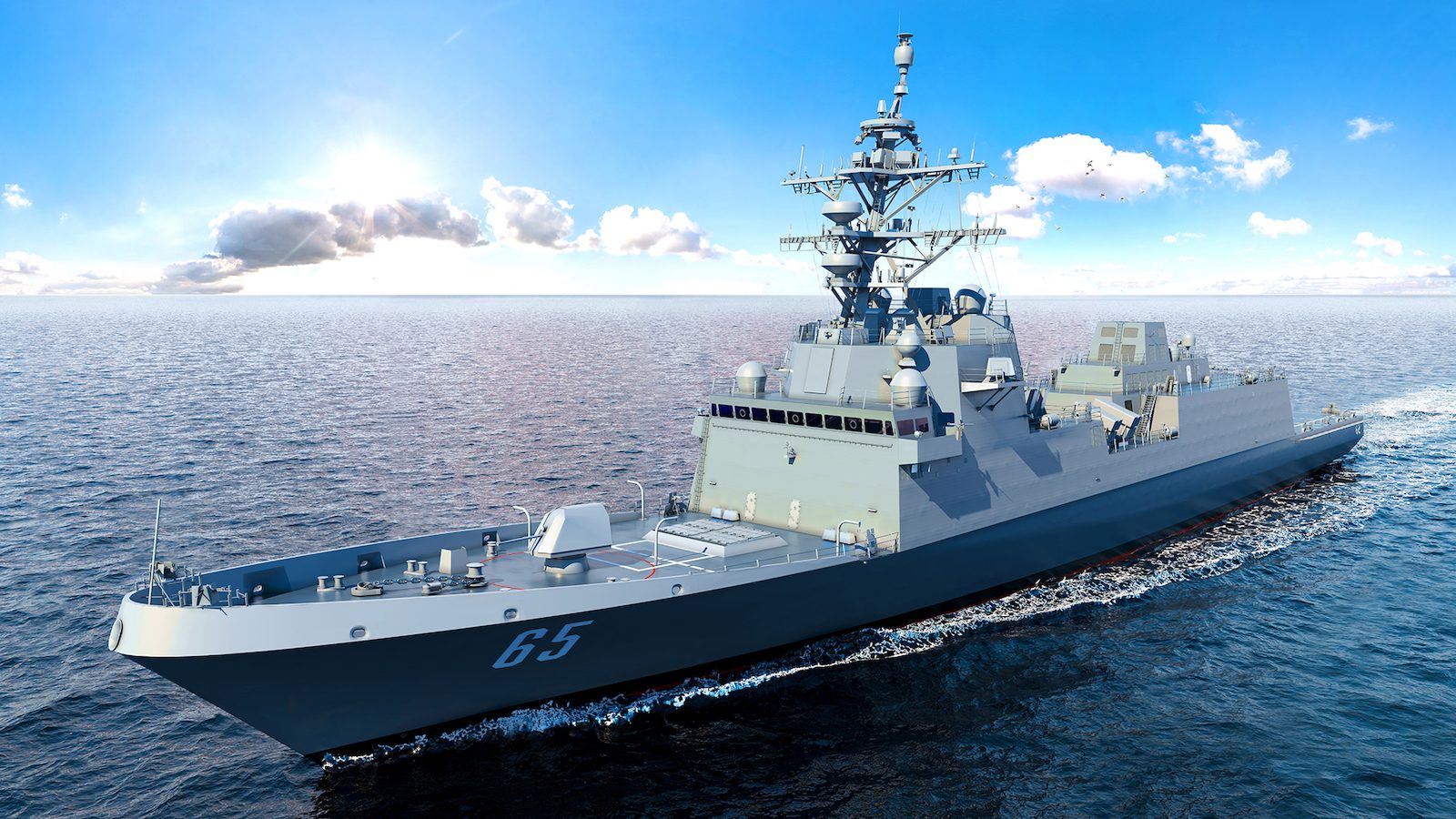
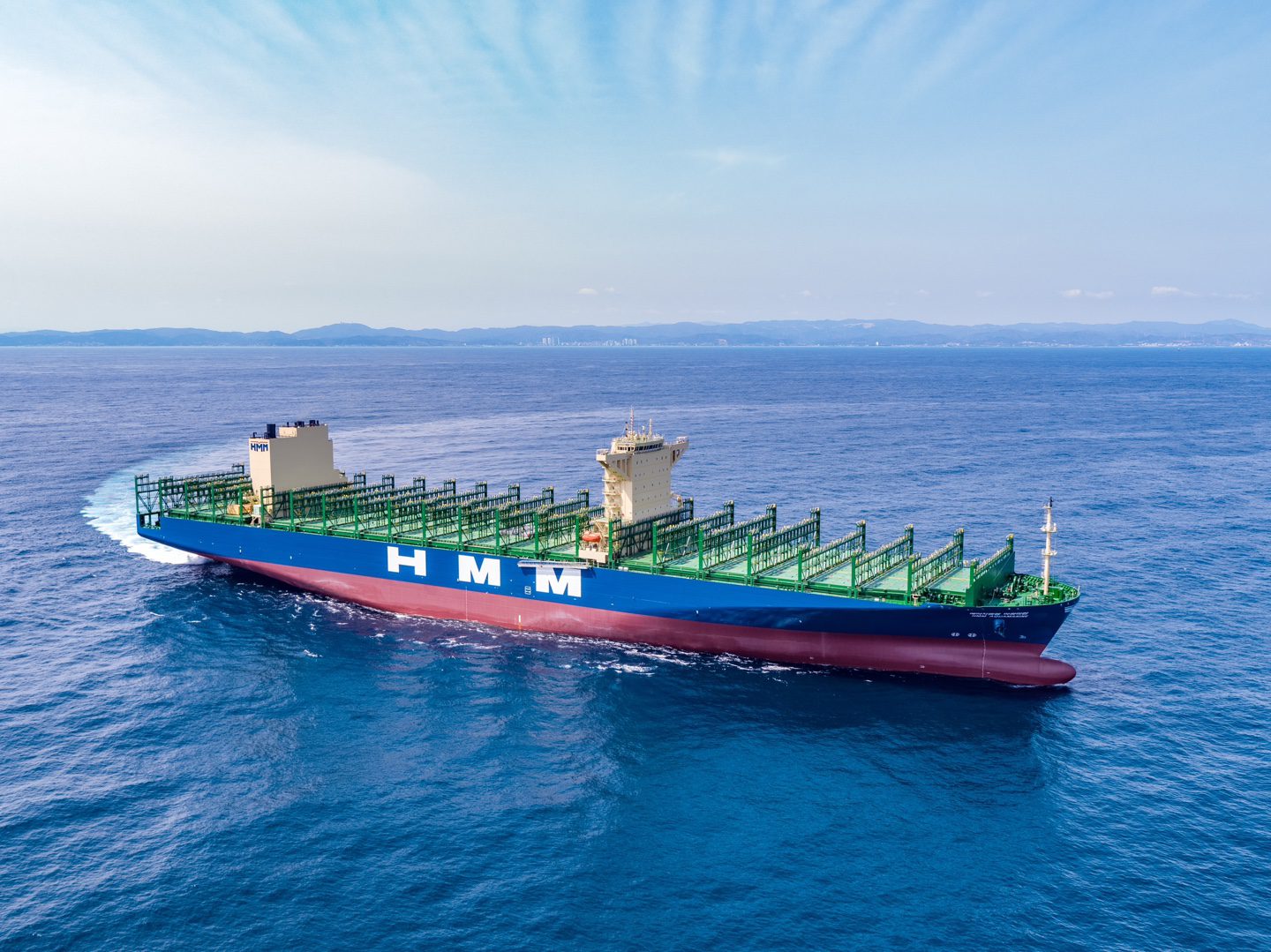
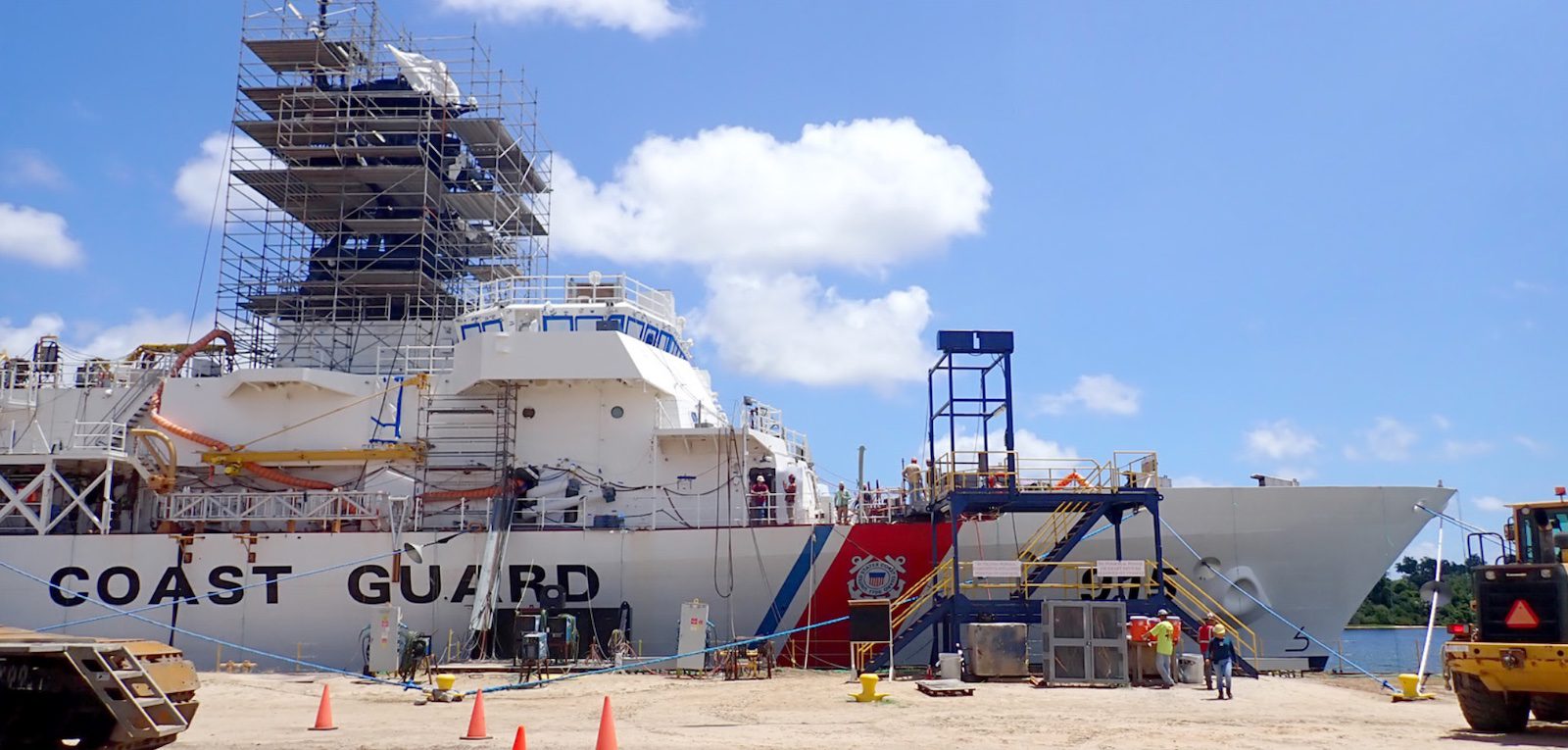
The United States has officially suspended port fees targeting China’s maritime dominance for one year, effective November 10, following a trade deal between President Trump and Chinese President Xi Jinping. The move ends fees that had been active for less than a month and suspends what labor unions call a cornerstone of the administration’s strategy to rebuild American shipbuilding.
China reciprocated by suspending its countermeasures against U.S.-linked vessels. The mutual pause, which runs through November 9, 2026, emerged from agreements reached during the Trump-Xi summit in South Korea last month.
The suspension covers fees under Annexes I, II, and III that targeted Chinese-owned vessels, operators of Chinese-built ships, and foreign-built vehicle carriers. It also halts proposed tariffs on Chinese-made ship-to-shore cranes and cargo handling equipment.
The Section 301 Investigation
The port fees originated from a Section 301 petition filed in March 2024 by the United Steelworkers and labor coalition partners, which accused China of using non-market industrial policies and massive state subsidies to dominate global shipbuilding. Following an investigation, in January 2025 the U.S. Trade Representative determined that China’s shipbuilding and maritime industrial policies constitute “unreasonable” practices under U.S. trade law.
“Today, the U.S. ranks 19th in the world in commercial shipbuilding, constructing fewer than five ships annually, while China builds more than 1,700 ships each year,” said Katherine Tai, former U.S. Trade Representative under President Biden.
Washington began charging the fees on October 14, 2025—meaning they were active for less than four weeks before being suspended.
Industry Split on Suspension
Maritime organizations largely welcomed the pause. Mike Jacob, President of the Pacific Merchant Shipping Association, said the suspension “will provide space for a continuation of the conversations in the current docket”. Lasse Kristoffersen, President and CEO of Wallenius Wilhelmsen, called it “an appropriate step to allow U.S. shipyards, logistics providers, and supply chain partners to plan and execute capital investments with greater certainty”.
However, labor unions strongly criticized the decision. Joint comments from the USW, IAM Union, IBEW, and IBB expressed disappointment that “workers, shipyards, and our broader economic and national security interests are once again being sidelined in favor of short-term considerations.”
“Yet, after months of strong rhetoric about the need for a comprehensive approach to rebuilding American maritime strength, workers, shipyards, and our broader economic and national security interests are once again being sidelined,” the unions wrote.
Hunter Stires, Non-Resident Fellow with the Center for Maritime Strategy at the Navy League, called the suspension “a significant strategic mistake.” Scott Paul, President of the Alliance for American Manufacturing, questioned whether negotiations can address China’s “predatory actions,” citing the country’s “consistent record of noncompliance.”
Questions About Shipbuilding Revival
The suspension raises fundamental questions about the administration’s broader maritime strategy. The USTR port fees were designed as the trade-policy pillar of the Trump administration’s effort to rebuild American shipbuilding and maritime power.
“Ships and shipping are vital to American economic security and the free flow of commerce,” said Ambassador Greer, a Trump appointee, in April. “The Trump administration’s actions will begin to reverse Chinese dominance, address threats to the U.S. supply chain, and send a demand signal for U.S.-built ships”.
The fees complemented the administration’s “Restoring America’s Maritime Dominance” executive order and the proposed SHIPS for America Act, forming what maritime experts call the most significant U.S. maritime policy reform effort since 1970.
With the trade enforcement component now paused, the administration will rely on negotiations with China and partnerships with allies. The U.S. has secured commitments from Japan to invest $500 billion and South Korea to invest $150 billion in U.S. shipbuilding.
China’s operators faced the steepest penalties under the fee regime. During the brief period the fees were active, U.S. carrier Matson reported incurring $6.4 million in reciprocal Chinese fees over three weeks, while China’s state-owned COSCO faced an estimated $1.5 billion in annual U.S. port fees.
Despite the threat of the fees, China has continued to dominate the global shipbuilding order book. According to Roy Houseman, legislative Director for the United Steelworkers, China accounted for 53% of all global ship orders by tonnage during the first eight months of 2025—underscoring what critics call an unhealthy market dynamic for an industry with such significant impact on global trade.
The U.S. Trade Representative says it will continue to monitor the situation and consider whether to continue the suspension or take further action before the November 10, 2026 deadline.

 Join The Club