gCaptain.com

A Blog About Ships

Fastream Offshore Leaderboard


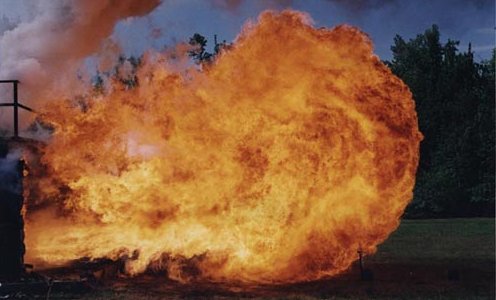
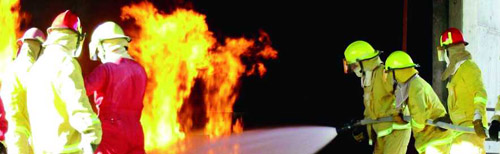
Like It Or Not; It’s Here - Fighting LNG Ship Fires.

January 1st, 2008 · Comments

Like It Or Not; It’s Here

Fighting LNG Ship Fires

Originally Published Sept 2007

By Tom Guldner, Marine Firefighting Inc.

Marine Firefighting LogoFirst, let me state that this article is neither FOR nor AGAINST Liquid Natural Gas (LNG) in the USA. Its purpose is to understand what it is and how the vessels crew and Land-Based Firefighters and first responders can deal with emergencies. Opponents of LNG have come up with many false statements about the dangers of LNG while the LNG industry may lead us to believe there is absolutely no danger in handling LNG. We as firefighters (marine or land-based) and as the mariners who work with the LNG vessels must look at this issue in a more unbiased view. Anything is dangerous if used improperly. Even water has been found to be the culprit of many devastating oil tanker explosions when used under pressure to clean the vessels tanks. The static electric charge the water builds up can create a spark which can rip apart a huge oil tanker. We have also seen that water has caused many vessels to capsize and sink when too much of it has accumulated aboard a ship during firefighting operations.

My company, Marine Firefighting Inc., has been involved in providing informational seminars to the tug boat crews who have the task of escorting some of the large LNG ships into US waters. The tug boats being used are specially designed for this task. Each is equipped with state of the art firefighting equipment. MFI has been providing the familiarization with this new firefighting equipment and also familiarization with the properties of the LNG they will be working with.

Much controversy surrounds the Liquid Natural Gas (LNG) industry in the United States. A good deal of the criticism comes from the “Not in my back yard” syndrome. Most of us realize that our energy needs will soon outpace our supplies. With new emerging economies such as China and India the world’s existing oil reserves are going to be drawn upon much more than at any time in our history. LNG has been presented as one of the answers of bridging the eminent energy gap between users and suppliers. However, no one wants to live next door to an LNG plant.

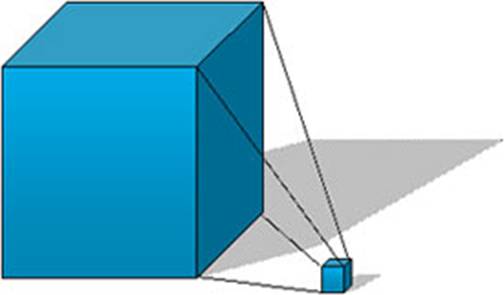
LNG diagramWhat is LNG? Liquid Natural Gas (LNG) is a colorless, odorless, liquid which is natural gas in a liquid form. Previously, the world’s large supplies of natural gas have not been available to areas remote from these gas wells. The cost of shipping natural gas in its gaseous state was simply too expensive. Liquefying natural gas reduces its volume 600 times (see diagram left.). Because of this reduction in volume it became profitable to export natural gas in its liquid form (LNG). The process of liquefying natural gas differs from the liquefying of other gasses. The main difference is that LNG does not require pressurization to keep this gas in a liquid state as is the case with Liquid Petroleum Gases (LPG) such as Propane. (Marine transport of Propane may use refrigeration to reduce its pressure during transit.) LNG is formed by subjecting natural gas to extremely cold temperatures. At minus 260 degrees F (-161°C ) the gas becomes a liquid at atmospheric pressure. Liquids at these temperatures are considered “Cryogenic”.1 [Continue Reading →]

CommentsTags: · , , , , , , ,

Ebba Maersk - World Largest Sistership

August 20th, 2007 · Comments

Ship of the Week” brings us the fifth in the Maersk E-Class Container Ships and Sister Ship to the Emma Maersk:

Ebba MaerskThe Ebba Maersk (IMO: 9321524, Port of Registry: Copenhagen, Denmark) is already the fifth in line of Maersk’s PS-class. Together with her sisters (amongst which are the ‘Emma Maersk‘ and ‘Evelyn Maersk‘) she is the largest containership ever with a total teu capacity 11,000 teu (of which 1,000 forty foot reefer containers) according to the A.P. Moller - Maersk Group. Rumours are that a total capacity of 13,500 teu is also possible. This capacity is possible by stacking the containers in 22 rows wide. The vessel is 397 meters long, 56 meters wide, has a depth of 30 meters and a deadweight of 156,907 tons. Amazingly, all this size and capacity requires a crew of only 13.

Read the complete Eba Maersk profile HERE and check back with Ship of the Day… well… daily.

Sistership Emma Maersk links;

CommentsTags: · , , , , , , , , , , , , , , , , , , , , , , ,

Assets and Deficits - Fighting Class B Fires, 1 of 4

August 2nd, 2007 · Comments

Manifold Fire

One of the worst things that can happen on board any vessel at sea is a main space Bravo fire. If you’re in charge of your Damage Control organization, you may have asked yourself if your organization have what it takes to combat such a casualty. Do they realize what coordinated efforts have to happen in order to give this story a happy ending, or is it simple irony that we end each scenario with an Abandon Ship exercise?

As a damage control leader, you should be constantly on the lookout for better ways to train your fire parties. This training should be as realistic as possible (in other words, just short of setting an actual fire). Your organization should be in constant critique and review, asking yourself a simple question: “Is it good enough, or can I make it better?” The best way to do this is called “Assets and Deficits.” Using this process, we’ll take a step-by-step look at a main space Bravo fire.

You have a fuel leak in the engine room. The leak increases, causing an atomized spray pattern onto an extremely hot engine manifold. The fuel smokes and becomes a combustible mixture in the atmosphere. The leak increases more. Excess fuel has pooled onto the deck and is running down into the bilge. Finally, the fire triangle has balanced enough to start sustained combustion. You now have a fire with an extremely large source feeding it.

Think how you would fight this fire aboard your ship. Think about your assets and deficits, then tune in tomorrow for Part 2 of this story: “Discovery.”

This series was written by Timothy Ciciora, Command Master Chief USN, Retired, Atlantic Beach, Florida, author of short stories, including “The Homecoming,” the opening selection in the Marlo Thomas best selling collection, The Right Words at the Right Time - Volume 2.

CommentsTags: · , , , ,

Emma Maersk - From Shipyard Fire to the World Records

May 11th, 2007 · Comments

The Emma Maersk

The Emma Maersk is a true Modern Marvel. The world largest container ship, longest ship currently in service and is propelled by the largest diesel engine ever manufactured. By mid-year 2006 the construction project was going well when on June 9th the accommodation block was devastated by fire.

Shipping Gazette

The Emma Mærsk was about six–seven weeks delayed. The delay caused by a devastating fire in the accommodation quarters in the early days of June. A welding job on the main deck, close to the end of working hours, led to a fire that totally destroyed the almost finished accommodation quarters and all the equipment in the wheelhouse.

The fire was large and devastating. Here are the photos and video taken by the local fire brigade: [Continue Reading →]

 
icon for podpress  Emma Maersk Shipyard Fire - Largest Containership in the world [1:27m]: Play Now | Play in Popup | Download

CommentsTags: · , , , , , , , , , , , , , , , , , , , , , , , , ,


Comments


Popular Topics


Sponsors


Maritime and Offshore Recruitment

Spurs

Mariner Taxes Logo

Mariner Taxes


The New Hawsepipe


The Maritime Executive Magazine


Your Ad Here


Authors


Follow Us


Categories


Recent Posts


Popular

Shipping Archives

Read A Random Story