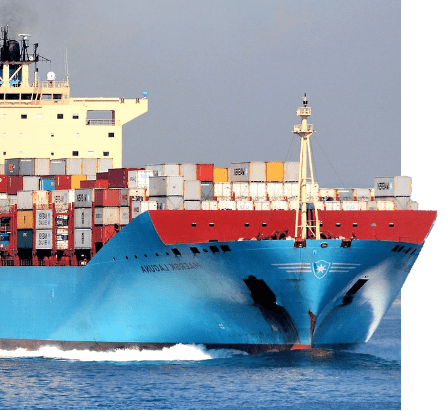
The New York Times has the story on a California petition to limit ship emissions:
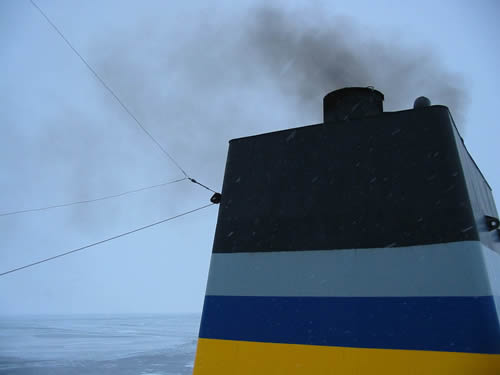
The California attorney general and a coalition of environmental groups have called for federal regulation to curb heat-trapping emissions from the worldwide fleet of about 90,000 oceangoing ships, including container ships, tankers and cruise ships.
The regulations, sought in separate petitions to the Environmental Protection Agency, would apply to United States territorial waters.
Only six countries generate more emissions of greenhouse gases than the world’s oceangoing vessels, said Michael Hirshfield, a senior scientist with Oceana, an ocean-protection organization.
The group’s petition, whose participants included the Center for Biological Diversity and Friends of the Earth, argues that “the sheer number of these ships, coupled with operating practices that use fuel inefficiently and poor government oversight, results in carbon dioxide emissions” equal to the emissions of 130 million to 195 million cars. Continue Reading….
Joe Angelo, the deputy managing director of Intertanko, a group representing independent tanker operators, said the best approach was “to reduce emissions worldwide — universally — not just unilateral action in the United States or the European Union.”
The environmental footprint of ships, which carry 90% of world trade covering over 30,000 billion tonne-miles a year, is extremely light compared to other forms of transport. And yet despite the industry’s tonne-mile efficiency, it has been left behind by other sectors which are already regulated and compelled to use clean, environmentally friendly fuels. This means that the shipping industry has become an easy-to-pick fruit, recently targeted by politicians eager to show that they are still doing something on the environmental front.
A switch from residual fuel to marine diesel oil (MDO) means a comprehensive and practical strategy for an efficient and long-term reduction of air pollution from ships. Should one expect ships to reduce air pollution while still burning residual fuels? These fuels have a significant content of sulphur, nitrogen (that contributes to the NOx emissions and thereby ozone or a greenhouse gas), hazardous components including heavy metals and polycyclic aromatic hydrocarbons (PAH) that combine to create a cocktail of particulate emissions and generated sludge
The proposal that the shipping industry switches to distillate bunker fuel (MDO) according to a timescale that takes into account fuel availability, delivers immediate, real and global reductions in atmospheric pollution (SOx, NOx and PM). It deals with the cause of this pollution rather than the effect – i.e. rather than limiting the rulemaking development to cleaning up the pollution itself. These are among the reasons that this proposal has been gaining support from a number of IMO states – including Norway.
This seems to be in contrast with the California petition which calls for elimination of bunker fuel and a proposed reduction of vessel speed by 20%. Considering our industry lives by the motto “Time is Money” it’s not surprising that INTERTANKO is looking for alternative solutions or fighting any actions that would mandate speed reductions. I may be stating the obvious but wouldn’t speed reductions increase the demand for hulls? Wouldn’t this be in the interests of an organization of ship owners?
This debate is destined to expand in direct relation to the growth of our global warming problems. When the argument is settled, whether by the EPA or IMO, I doubt the solutions will be those suggested in the petition or by INTERTANKO but I’m hopeful the coverage will increase awareness and development of workable solutions… that is if the press can avoid misleading and counterproductive headlines like THIS.
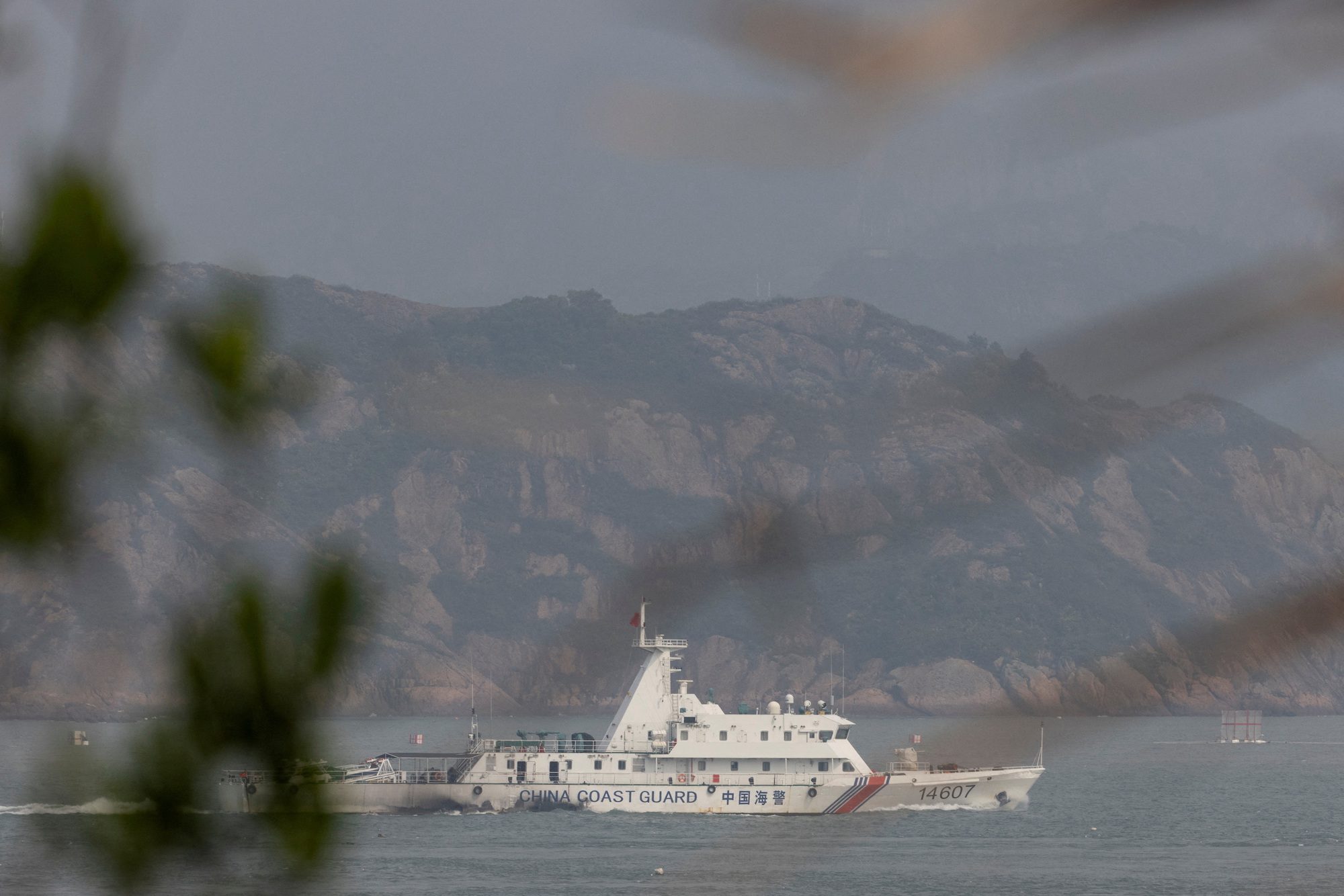
By Yimou Lee TAIPEI, March 7 (Reuters) – China has stepped up grey-zone warfare against Taiwan, aiming to make the areas around the democratic island “saturated” with balloons, drones and civilian boats,...
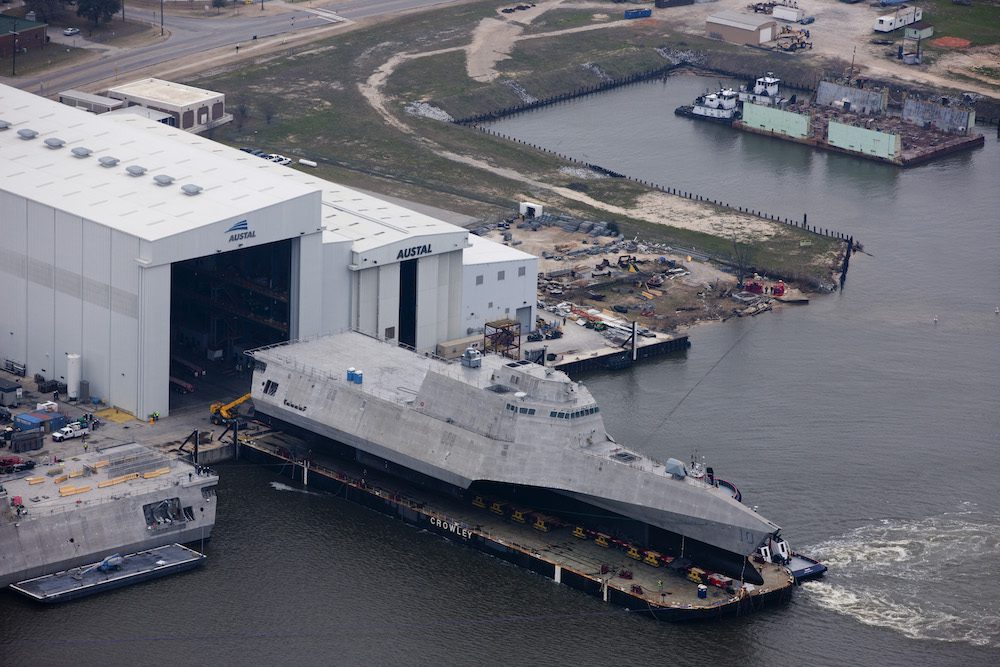
Austal USA has kicked off plans to construct a new manufacturing facility, marking a significant expansion of its shipyard capacity in Mobile, Alabama in support of U.S. Navy and Coast...
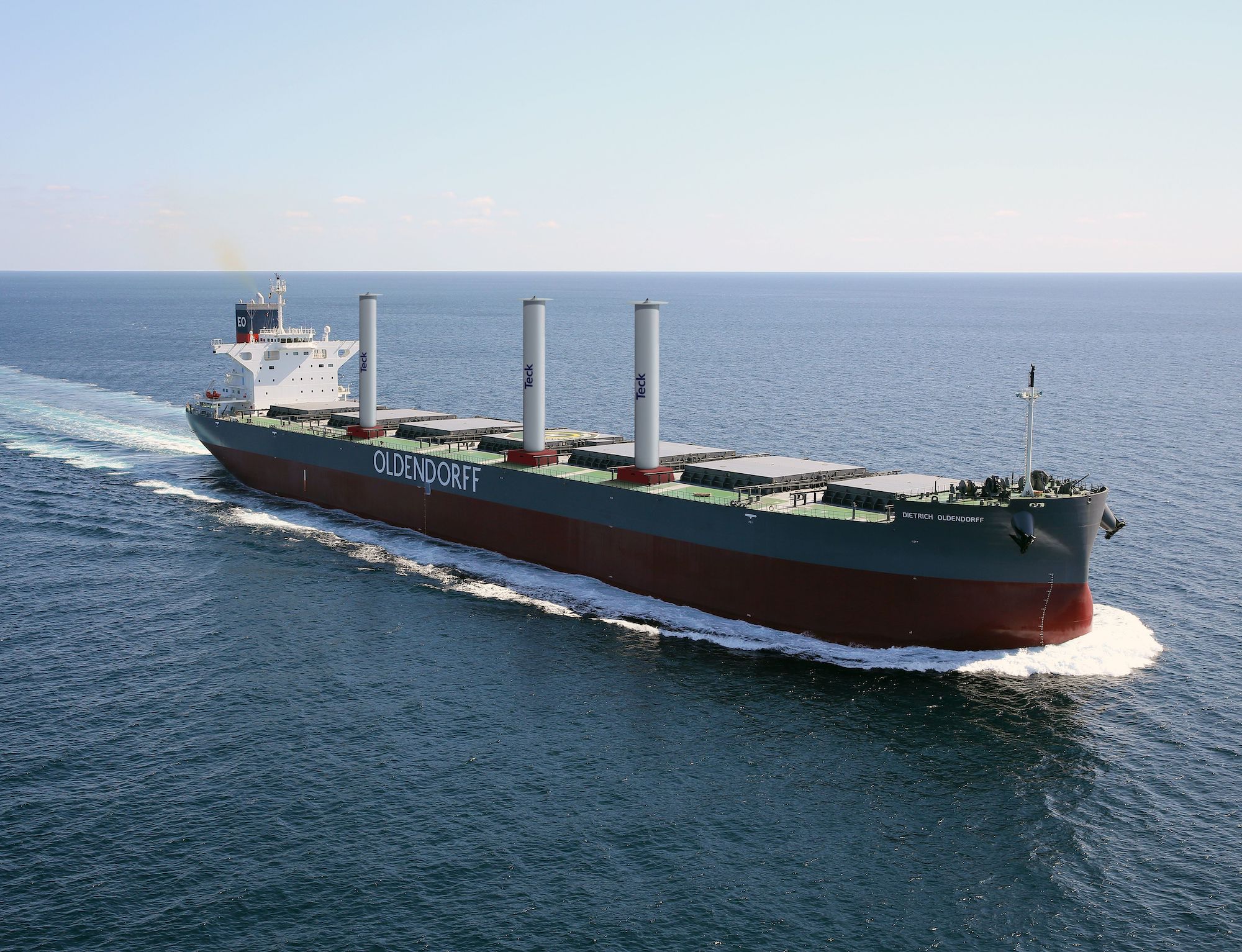
Oldendorff and Norsepower have announced an agreement to install three Norsepower Rotor Sails™ on board a modern bulk carrier to reduce its emissions. The vessel, Dietrich Oldendorff, will be equipped...
February 5, 2024
Total Views: 849
Why Join the gCaptain Club?
Access exclusive insights, engage in vibrant discussions, and gain perspectives from our CEO.
This website uses cookies to improve your experience while you navigate through the website. Out of these, the cookies that are categorized as necessary are stored on your browser as they are essential for the working of basic functionalities of the website. We also use third-party cookies that help us analyze and understand how you use this website. These cookies will be stored in your browser only with your consent. You also have the option to opt-out of these cookies. But opting out of some of these cookies may affect your browsing experience.
Necessary cookies are absolutely essential for the website to function properly. This category only includes cookies that ensures basic functionalities and security features of the website. These cookies do not store any personal information.
Any cookies that may not be particularly necessary for the website to function and is used specifically to collect user personal data via analytics, ads, other embedded contents are termed as non-necessary cookies. It is mandatory to procure user consent prior to running these cookies on your website.

 Join The Club