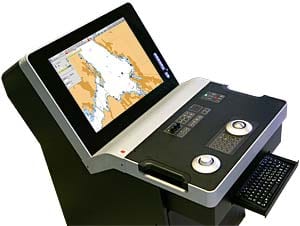
We have already proclaimed our love of AIS, the technology that helps watchkeepers identify surrounding vessel traffic, but currently this technology only lets us track large ships. This is about to change. Panbo reports that the USCG has asked the FCC to expedite approval of AIS-B systems for use on boats.
Has a reporting rate less than a Class A (e.g. every 30 sec. when under 14 knots, as opposed to every 10 sec. for Class A)
Does not transmit the vessel’s IMO number or call sign
Does not transmit ETA or destination
Does not transmit navigational status
Is only required to receive, not transmit, text safety messages
Is only required to receive, not transmit, application identifiers (binary messages)
Does not transmit rate of turn information
Does not transmit maximum present static draught
Got that?
You may have picked up on some Class B chatter over at Navagear or at Panbo questioning how effective these units will be in helping ships avoid small boats. Well Ben Ellison, electronics editor at Power & Motoryacht, Sail Magazine and Panbo.com has some questions for the ProMariner readers of gCaptain. He writes;
The bigger question is how much are they using AIS on their bridges?
Do they have good AIS target displays?
Are the displays getting too crowded as is, i.e. would there be a temptation to filter out Class B targets if they proliferate?
So with the goal of safer inland waterways for all we ask all professional mariners to answer the following poll questions then add your answers to Ben’s questions in our comments section.
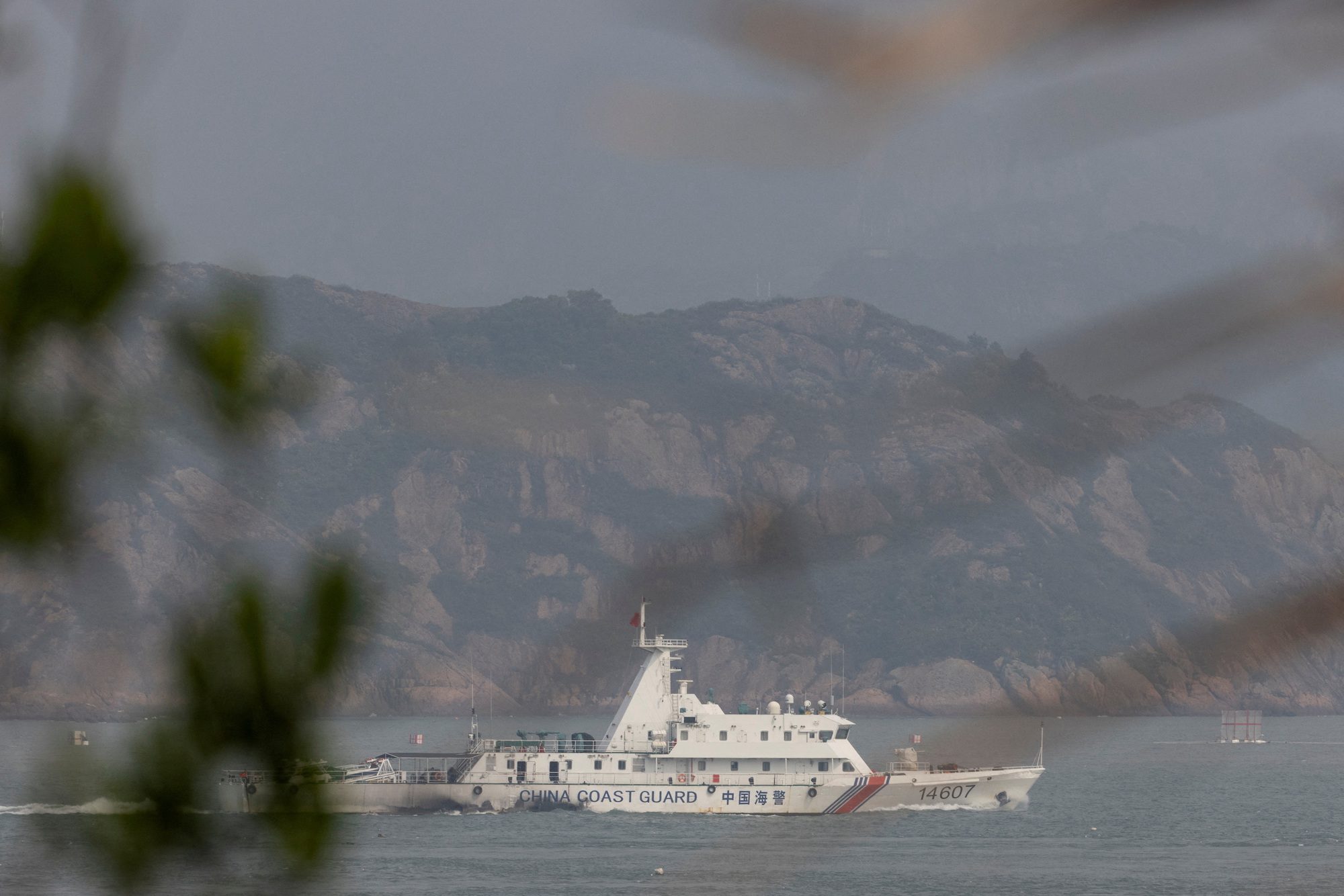
By Yimou Lee TAIPEI, March 7 (Reuters) – China has stepped up grey-zone warfare against Taiwan, aiming to make the areas around the democratic island “saturated” with balloons, drones and civilian boats,...
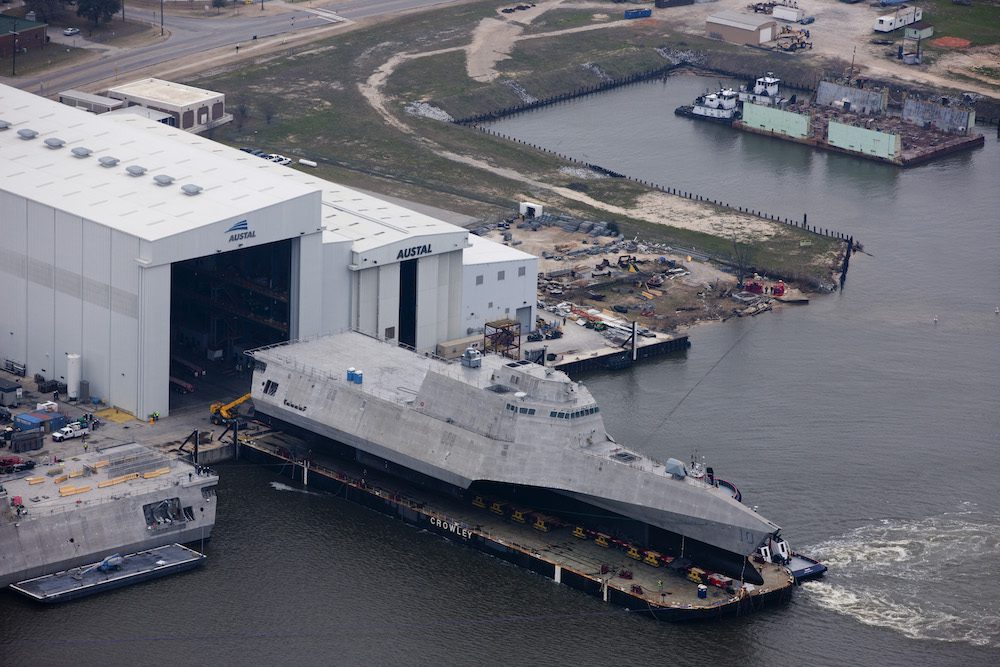
Austal USA has kicked off plans to construct a new manufacturing facility, marking a significant expansion of its shipyard capacity in Mobile, Alabama in support of U.S. Navy and Coast...
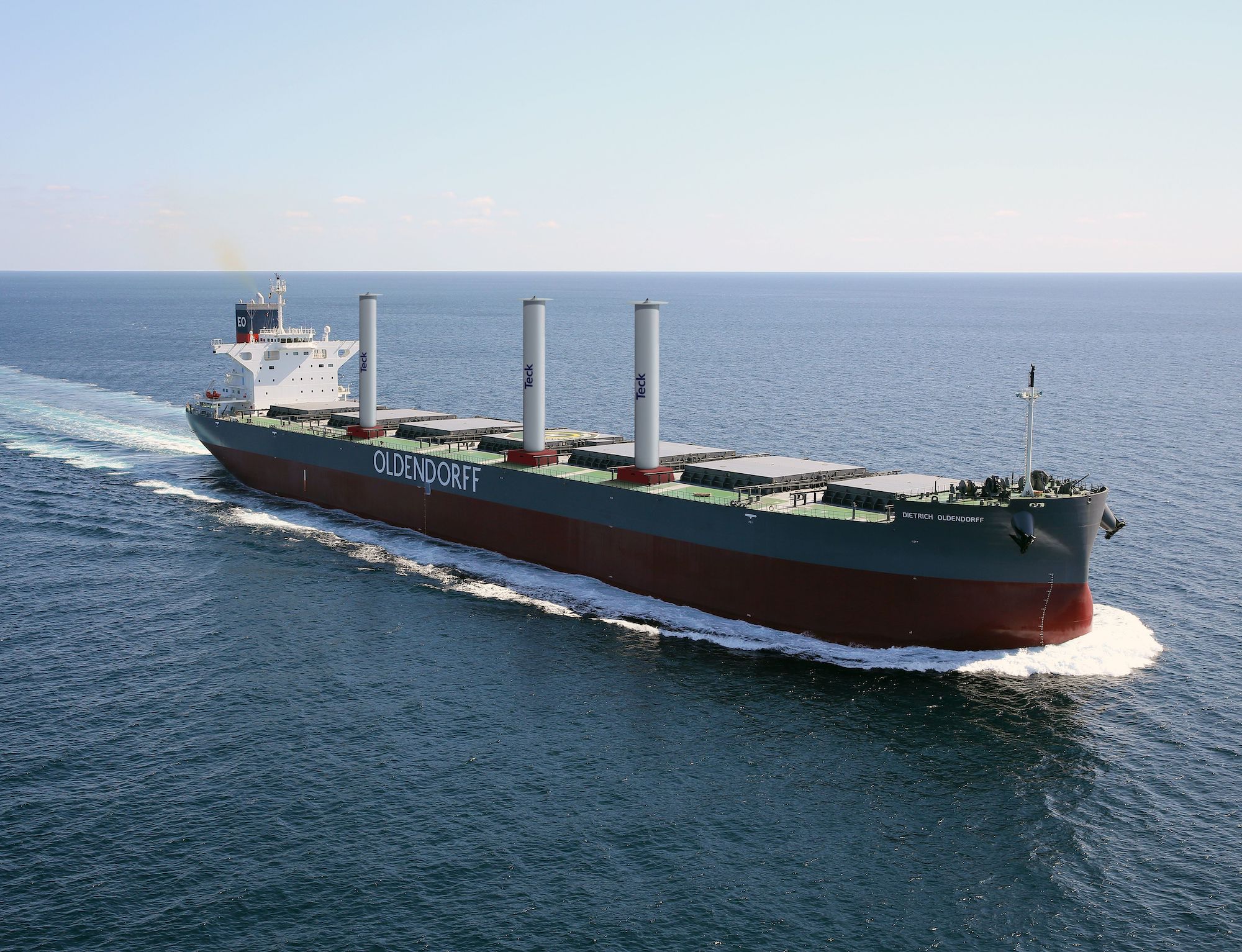
Oldendorff and Norsepower have announced an agreement to install three Norsepower Rotor Sails™ on board a modern bulk carrier to reduce its emissions. The vessel, Dietrich Oldendorff, will be equipped...
February 5, 2024
Total Views: 846
Why Join the gCaptain Club?
Access exclusive insights, engage in vibrant discussions, and gain perspectives from our CEO.
This website uses cookies to improve your experience while you navigate through the website. Out of these, the cookies that are categorized as necessary are stored on your browser as they are essential for the working of basic functionalities of the website. We also use third-party cookies that help us analyze and understand how you use this website. These cookies will be stored in your browser only with your consent. You also have the option to opt-out of these cookies. But opting out of some of these cookies may affect your browsing experience.
Necessary cookies are absolutely essential for the website to function properly. This category only includes cookies that ensures basic functionalities and security features of the website. These cookies do not store any personal information.
Any cookies that may not be particularly necessary for the website to function and is used specifically to collect user personal data via analytics, ads, other embedded contents are termed as non-necessary cookies. It is mandatory to procure user consent prior to running these cookies on your website.

 Join The Club